
Technology
The Next Frontier: How AI and Web3 are Reshaping Digital Engagement

The Current Revolution: Core Applications of AI in Marketing
The digital marketing landscape has been profoundly reshaped by Artificial Intelligence. At its heart, AI in marketing leverages sophisticated algorithms and data processing capabilities to simulate human intelligence, enabling us to understand, predict, and influence consumer behavior with unprecedented accuracy. This revolution is powered by foundational technologies like machine learning (ML), where systems learn from data without explicit programming, and deep learning (DL), a subset of ML that uses neural networks to analyze complex patterns. These technologies form the backbone of a data-driven strategy, allowing us to map intricate customer journeys and deliver highly relevant interactions.
Predictive Analytics: From Data to Decisions
One of AI’s most immediate and impactful applications in marketing is predictive analytics. By sifting through vast datasets – encompassing everything from past purchases and browsing history to demographic information and behavioral patterns – AI algorithms can forecast future trends and customer actions. This capability moves us beyond reactive marketing to a proactive, insight-driven approach.
For instance, AI excels at customer segmentation, identifying distinct groups within an audience based on shared characteristics and behaviors. This allows for highly targeted campaigns that resonate deeply with specific segments. Similarly, lead scoring systems, powered by AI, can assess the likelihood of a prospect converting, helping sales and marketing teams prioritize their efforts on the most promising leads. AI can also accurately predict demand forecasting, anticipating when customers are likely to make a purchase or when specific products will be in high demand, allowing businesses to optimize inventory and campaign timing.
The ability to analyze complex consumer behavior in real-time allows for dynamic adjustments to campaigns, leading to real-time optimization. This means ads, offers, and content can be custom on the fly to maximize impact. Marketers looking to sharpen their strategies and gain a competitive edge in this data-rich environment are constantly seeking effective AI marketing cheat codes to leverage these powerful capabilities.

Generative AI: Scaling Content and Personalization
While predictive AI helps us understand what to say and to whom, generative AI (GenAI) helps us create how to say it, and at an unprecedented scale. GenAI, capable of producing new and original content like text, images, audio, and video, has rapidly become a game-changer for marketers.
In content creation, GenAI tools can draft blog posts, social media updates, email copy, and product descriptions in minutes, significantly reducing the time and resources traditionally required. This doesn’t just mean more content; it means content that can be dynamically adapted and optimized for different platforms and audiences. The true power emerges in hyper-personalization, where GenAI crafts unique messages and visuals for individual consumers, making each interaction feel bespoke. This goes far beyond simply inserting a customer’s name; it involves generating content that aligns with their specific preferences, past interactions, and current context.
Chatbots and conversational AI have also evolved dramatically with generative capabilities. These intelligent agents can now engage in more natural, human-like conversations, providing personalized customer support, guiding users through purchasing processes, and even assisting with lead generation by gathering relevant data. AI-powered content tools allow for dynamic content generation, where elements of a website, email, or ad can change automatically based on user behavior, location, or other real-time data. This ensures that the message is always relevant and engaging.

The Strategic Impact of AI in Marketing
The integration of AI into marketing strategies isn’t just about individual tools or tactics; it represents a fundamental shift in how businesses operate and compete. The strategic impact is multifaceted and far-reaching.
Firstly, AI drives increased efficiency by automating repetitive, data-intensive tasks. This frees up human marketers to focus on higher-level strategic thinking, creativity, and relationship building. Tasks that once took hours, like data analysis, audience segmentation, and campaign reporting, can now be completed in minutes. This operational efficiency directly translates into better resource allocation and cost savings.
Secondly, AI significantly improves ROI (Return on Investment). By enabling hyper-personalization and precise targeting, AI ensures that marketing messages reach the right people at the right time with the right offer. This reduces wasted ad spend and increases conversion rates, leading to a higher return on marketing efforts. Case studies from companies like Les Mills, which used AI to drive 561% more sign-ups at a 72% more efficient cost per trial, and Vans, which achieved an 86% sales lift using AI-powered campaigns, underscore this potential.
Thirdly, embracing AI provides a substantial competitive advantage. Businesses that effectively integrate AI can outmaneuver rivals by understanding customer needs faster, responding to market shifts more quickly, and delivering superior customer experiences. This continuous adaptation and innovation are crucial in today’s rapidly evolving digital marketplace.
Finally, AI fosters skill development within marketing teams. As AI takes over routine tasks, marketers are challenged to evolve their roles, becoming strategists, data interpreters, and creative orchestrators working alongside AI. This continuous learning and adaptation are essential for career growth and organizational agility. The ultimate goal for many businesses is to harness these capabilities for AI-powered revenue growth, changing insights into tangible financial success.
The Next Frontier: Integrating Web3 for a Decentralized Future
As AI continues to mature and integrate deeper into marketing operations, another transformative wave is emerging: Web3. This evolution of the internet, built on blockchain technology, promises a decentralized, user-centric online experience that will fundamentally alter how brands interact with consumers. Web3 introduces concepts of data ownership, transparency, and trust that are ready to redefine digital engagement. The emergence of Web3 AI marketing signifies a powerful convergence of these two technologies, creating new possibilities for innovation and customer relationships.
Web3 and Data Ownership: A New Paradigm for Marketers
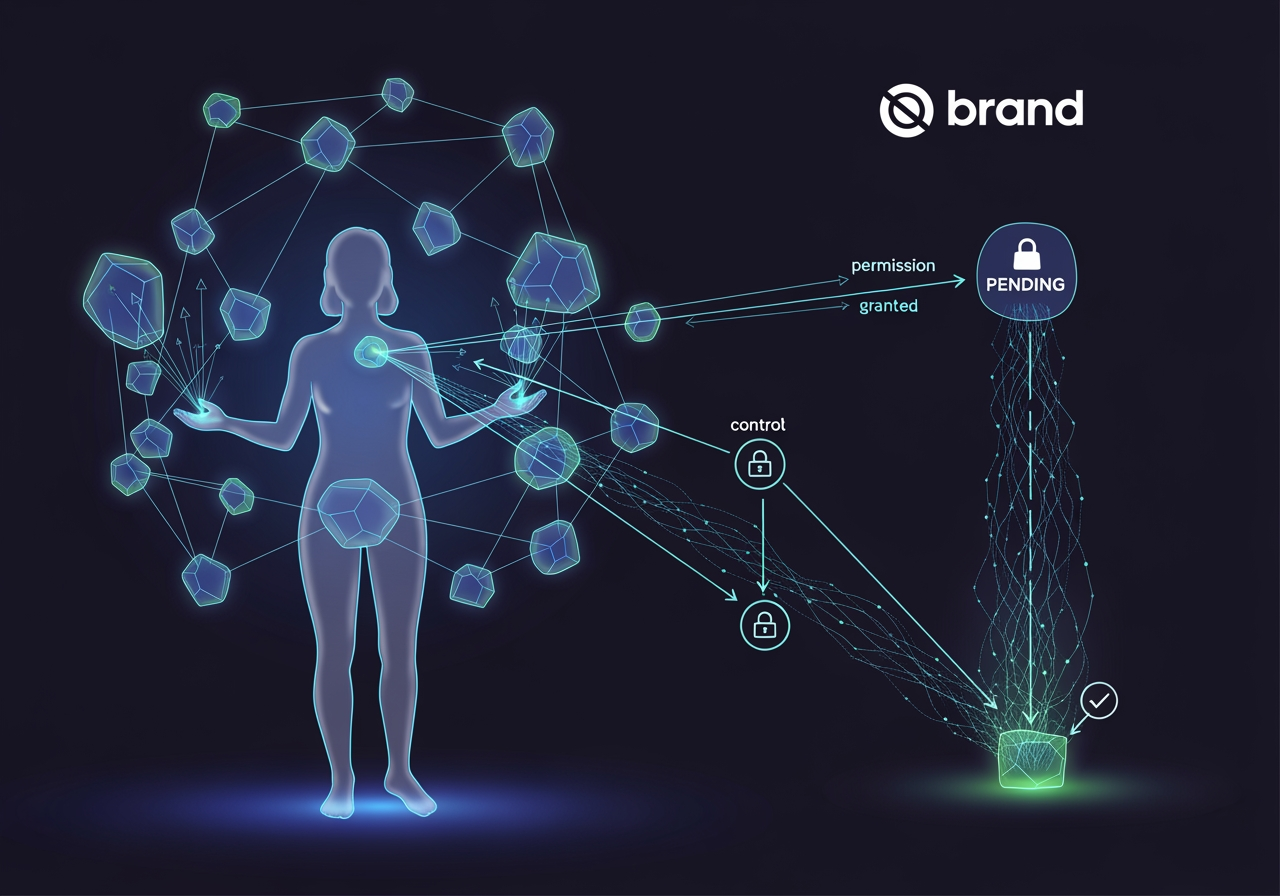
For decades, the internet has operated under a Web2 model where large platforms control user data. Web3 aims to reverse this, shifting power back to the individual. This means a new paradigm for marketers, centered around user-controlled data. Instead of companies owning and monetizing user information, individuals will have direct ownership and granular control over their data.
This shift necessitates a focus on first-party data and zero-party data strategies. First-party data, collected directly from customer interactions, becomes even more valuable as third-party cookies fade. Zero-party data, explicitly and proactively shared by customers, becomes the gold standard. Marketers will need to build trust and offer clear value propositions to incentivize users to share their data willingly.
The core principle here is privacy-by-design. Web3 applications are built with privacy and security embedded from the outset, often leveraging cryptographic methods to protect user information. This shifting power dynamics means marketers must move from data extraction to data collaboration, respecting user consent and offering transparent value in exchange for information. This approach not only builds stronger relationships but also mitigates many of the ethical concerns surrounding data use in AI.
Tokenization and Decentralized Communities
Web3 introduces novel mechanisms for engagement and loyalty through tokenization. Non-Fungible Tokens (NFTs), for example, are unique digital assets that can represent ownership of digital or physical items, access rights, or membership. For marketers, NFTs can be used to create exclusive loyalty programs, offering unique rewards, experiences, or digital collectibles to brand enthusiasts.
Beyond NFTs, fungible tokens can power decentralized economies within brand ecosystems. These tokens can incentivize participation, reward engagement, and facilitate transactions. This leads to token-gated content, where only holders of specific tokens can access exclusive content, communities, or events, fostering a deeper sense of belonging and exclusivity.
This framework supports the development of robust community building efforts. Brands can cultivate highly engaged, decentralized communities where members have a stake in the brand’s success. This moves beyond traditional customer relationships to direct brand-to-consumer relationships, often facilitated by Decentralized Autonomous Organizations (DAOs). DAOs allow communities to collectively govern and make decisions, giving customers a voice and a vote in the brand’s direction, strengthening loyalty and advocacy.
Ethical Considerations for AI in Marketing and Web3
As we steer this exciting new frontier, it is crucial to address the ethical considerations that arise at the intersection of AI and Web3 in marketing. While both technologies offer immense potential, their responsible implementation is paramount to building and maintaining consumer trust.
One significant concern with AI is algorithmic bias. If AI models are trained on biased data, they can perpetuate and even amplify existing societal biases, leading to discriminatory outcomes in targeting, personalization, or content generation. Marketers must actively audit their AI systems and ensure diverse, representative datasets are used for training to mitigate this risk.
Data privacy remains a central ethical challenge. While Web3 promises user control, the complexity of managing digital wallets and private keys can still expose users to risks if not handled carefully. Marketers must ensure their AI systems comply with stringent data protection laws such as the General Data Protection Regulation (GDPR) and the California Consumer Privacy Act (CCPA), regardless of the underlying technology. This includes transparently communicating data usage, obtaining explicit consent, and safeguarding sensitive information.
Transparency in AI’s role is also critical. Consumers have a right to know when they are interacting with AI, how their data is being used, and how AI-driven decisions are made. Lack of transparency can erode trust and lead to negative perceptions of a brand. Implementing responsible AI principles, which prioritize fairness, accountability, and explainability, is essential for ethical adoption.
The goal is to leverage AI and Web3 to improve marketing while simultaneously building consumer trust. This requires a commitment to ethical practices, continuous oversight, and a proactive approach to addressing potential harms. As AI and Web3 continue to evolve, our collective responsibility is to ensure these powerful technologies serve both business objectives and societal well-being.
Preparing for the Future: Cultivating AI and Web3 Expertise
The rapid evolution of AI and the emergence of Web3 present both incredible opportunities and significant challenges for marketers. To thrive in this dynamic environment, businesses and individuals must proactively prepare for the future. This involves a strategic blend of technological adoption, continuous learning, and a forward-thinking mindset.
Organizational Readiness: Building the Foundation
For businesses, preparing for the future of AI and Web3 in marketing starts with organizational readiness. This means investing in the necessary infrastructure, data governance frameworks, and talent development.
Data Strategy and Infrastructure: A robust data strategy is the bedrock of effective AI. This includes collecting high-quality first-party and zero-party data, ensuring data cleanliness, and establishing secure, scalable data storage solutions. For Web3, this extends to understanding how to integrate with decentralized data sources and manage user-controlled data.
Cross-Functional Collaboration: AI and Web3 initiatives are rarely confined to the marketing department. Success often hinges on strong collaboration between marketing, IT, legal, data science, and product teams. Establishing cross-functional task forces and fostering a culture of shared learning can accelerate adoption and mitigate risks.
Ethical Frameworks and Policies: Developing clear internal policies and ethical guidelines for AI usage, data privacy, and Web3 interactions is crucial. This includes addressing algorithmic bias, ensuring data compliance with regulations like GDPR and CCPA, and establishing transparency protocols for AI-generated content.
Experimentation and Iteration: The landscape of AI and Web3 is constantly shifting. Businesses must accept an agile approach, encouraging experimentation with new tools and strategies. Start with small pilot projects, learn from the outcomes, and iterate rapidly to find what works best for your brand and audience.
Developing Individual AI and Web3 Expertise
For individual marketers, the future demands a commitment to lifelong learning and skill development. The roles of marketers are evolving, requiring a blend of traditional marketing acumen with technical literacy.
AI Literacy: Understanding the fundamentals of AI, including machine learning, deep learning, and natural language processing, is no longer optional. Marketers need to grasp how these technologies work, their capabilities, and their limitations. This includes familiarity with various AI tools for content creation, data analysis, and personalization. Resources like online courses, webinars, and industry reports are invaluable for building this foundational knowledge. Many platforms offer free AI tutorials to help marketers get started.
Data Fluency: Marketers must become more comfortable with data analysis, not necessarily as data scientists, but as skilled interpreters of AI-generated insights. This involves understanding key metrics, identifying trends, and translating data into actionable marketing strategies. Tools for AI-driven marketing insights are becoming essential.
Prompt Engineering and Creative Collaboration: With the rise of generative AI, the ability to craft effective prompts to guide AI tools has become a critical skill. Marketers will increasingly act as “creative directors” for AI, collaborating with algorithms to produce compelling content and campaigns. This requires a deep understanding of brand voice, target audience, and creative objectives. Exploring AI content generation tools can provide practical experience.
Ethical Awareness and Critical Thinking: A strong ethical compass is vital. Marketers need to critically evaluate AI outputs for potential biases, ensure data privacy, and uphold brand integrity in all AI-driven initiatives. This also extends to understanding the implications of Web3, such as data ownership and the nuances of decentralized communities.
Adaptability and Continuous Learning: The pace of technological change means that what is cutting-edge today may be commonplace tomorrow. Marketers must cultivate adaptability and a mindset of continuous learning, staying abreast of the latest developments in AI and Web3. Participating in industry forums, reading specialized publications, and pursuing certifications, such as an artificial intelligence certification, can help maintain a competitive edge.
Leading Tools and Platforms in the AI Marketing Ecosystem
The market for AI marketing tools is booming, offering a diverse array of solutions to help businesses harness the power of artificial intelligence. These platforms span various functions, from content creation and personalization to data analysis and campaign optimization.
AI-Powered Content Creation and Optimization: Tools in this category leverage generative AI to assist with everything from drafting copy to generating visual assets. They can help marketers overcome writer’s block, produce content at scale, and optimize existing content for better performance. For instance, AI content tools can generate blog posts, social media updates, and ad copy, while AI image to video generators can transform static visuals into dynamic video content. These tools are invaluable for maintaining a consistent brand voice and producing engaging materials across diverse channels.
Personalization and Customer Experience Platforms: These AI solutions focus on delivering highly custom experiences to individual customers. They analyze user behavior, preferences, and historical data to personalize website content, product recommendations, email campaigns, and customer service interactions. AI-driven chatbots and virtual assistants provide instant support, answer FAQs, and guide customers through their journey, enhancing satisfaction and efficiency. Many platforms offer AI tools for customer service that integrate seamlessly with CRM systems.
Data Analysis and Predictive Marketing: AI’s ability to process and analyze vast quantities of data makes it indispensable for deriving actionable insights. Tools in this category help marketers understand customer segments, predict future behaviors, optimize campaign performance, and identify market trends. They can automate complex data analysis tasks, providing clear, concise reports that inform strategic decisions. Marketers can leverage AI tools for analytics to gain deeper insights into campaign effectiveness and consumer behavior.
SEO and Advertising Optimization: AI is revolutionizing how marketers approach search engine optimization and digital advertising. AI-powered SEO tools can conduct keyword research, analyze competitor strategies, and optimize content for search engines with unparalleled efficiency. In advertising, AI algorithms can manage bidding strategies, optimize ad placements, and personalize ad creatives in real-time, leading to higher conversion rates and improved ROI. Many agencies use AI SEO software to streamline their processes.
The market is rich with solutions, from comprehensive marketing suites that integrate AI across multiple functions to specialized tools designed for specific tasks. The key is to identify the tools that best align with your marketing objectives and integrate them thoughtfully into your existing workflows. Exploring various artificial intelligence tools can help identify the best fit for your needs.
Conclusion: Embracing the Future of Digital Engagement
The convergence of AI and Web3 marks a pivotal moment in the evolution of digital marketing. We are moving beyond an era of broad messaging and reactive strategies into a future characterized by hyper-personalization, user empowerment, and unprecedented transparency. AI provides the intelligence and automation needed to understand complex data and deliver custom experiences at scale, while Web3 offers the decentralized infrastructure and new models of ownership that put control back into the hands of the consumer.
The statistics speak volumes: AI’s market value is soaring, and CEOs globally recognize its potential for efficiency and growth. Early adopters are already seeing significant returns, demonstrating that the time to engage with these technologies is now. However, this change is not without its challenges. Ethical considerations surrounding data privacy, algorithmic bias, and transparency demand our careful attention and responsible implementation.
For businesses, this means investing in robust data strategies, fostering cross-functional collaboration, and establishing clear ethical guidelines. For individual marketers, it means embracing continuous learning, developing AI literacy, honing data fluency, and cultivating prompt engineering skills. The future of marketing belongs to those who can effectively orchestrate AI’s capabilities within a Web3 framework, building authentic connections and delivering value in a decentralized world.
By understanding the core applications of AI today and anticipating the transformative potential of Web3 tomorrow, we can steer this exciting frontier with confidence. The next chapter of digital engagement is being written, and with AI and Web3 as our guides, we are ready to create more meaningful, personalized, and trustworthy experiences for consumers worldwide.