
Business
How Safe Work Platforms Are Transforming Workplace Safety
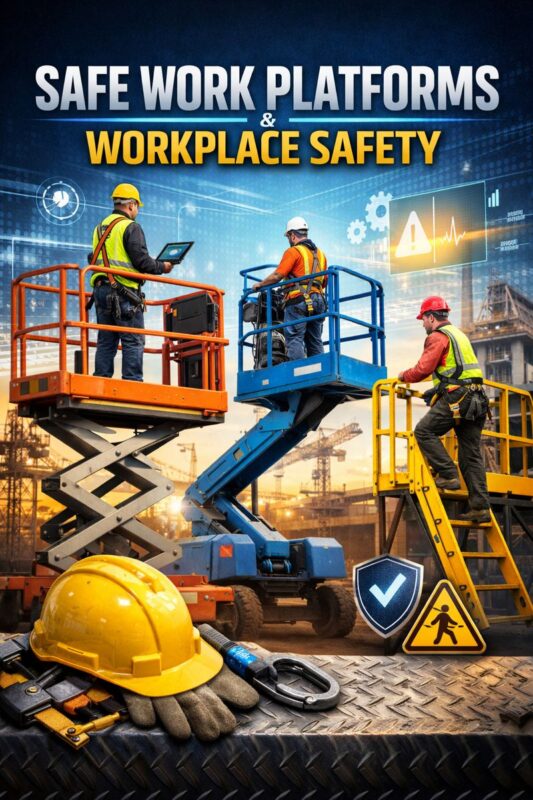
Table of Contents
- The Rise of Safe Work Platforms
- Enhancing Safety Through Technology
- Benefits Beyond Safety
- Challenges and Considerations
- Future Outlook
- Conclusion
Workplace safety has always been a critical concern across industries, particularly in environments where employees work at heights or operate heavy equipment. Over the years, safety standards have evolved, emphasizing not only protective gear but also the tools and equipment that help prevent accidents before they occur. One significant advancement in this area has been the introduction of well-designed work platforms that provide stability, support, and a secure working environment for employees performing tasks above ground level. These platforms reduce the risk of falls and injuries, thereby contributing to a safer, more efficient workplace overall.
For organizations seeking reliable solutions, Platforms and Ladders offers a wide array of equipment designed to meet diverse workplace needs. From adjustable work platforms to sturdy ladders, such tools are essential in promoting safety and ensuring workers can perform their duties with confidence. As safety practices continue to improve, integrating appropriate platforms and ladders is crucial to fostering a culture of safety across all work environments.
The Rise of Safe Work Platforms
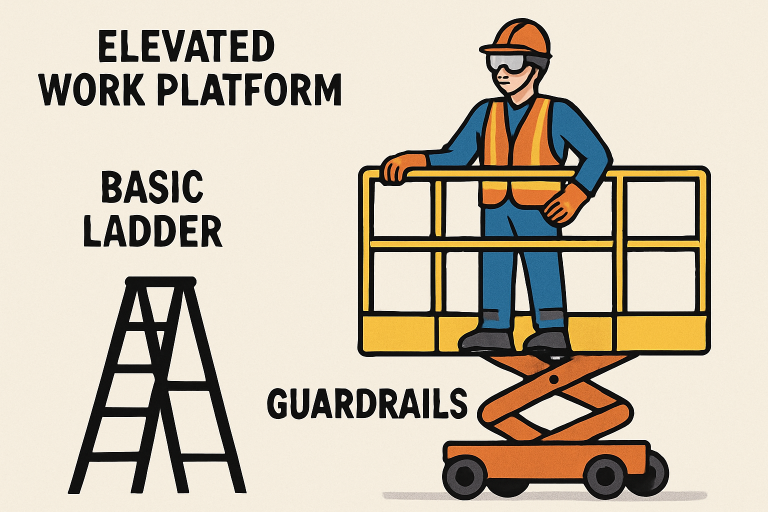
Safe work platforms, such as aerial lifts, scissor lifts, and other engineered systems, offer a robust alternative to ladders and traditional scaffolding. These platforms typically feature key safety features such as guardrails, reinforced flooring, and harness tie-off points. Their design minimizes the risk of falls, slips, and human error during operation.
The growing demand for these advanced solutions is evident across industries such as construction, telecommunications, and energy. By prioritizing worker safety with state-of-the-art equipment, these sectors can reduce incident rates and build a reputation for responsible operations. Government regulations and safety organizations continue to encourage adoption by highlighting the proven benefits of such platforms in reducing workplace incidents.
Enhancing Safety Through Technology
Technological advancements are a game-changer for safe work platforms. The integration of sensors, digital connectivity, and artificial intelligence has raised the bar for fall prevention and hazard detection. Some platforms feature real-time monitoring, providing instant feedback on environmental hazards, unsafe positioning, and mechanical anomalies. These capabilities allow site managers to respond quickly to emerging risks and maintain strict adherence to safety protocols.
Additionally, platforms with integrated monitoring systems can gather and store operational data, supporting ongoing safety training, equipment maintenance planning, and regulatory compliance. Digitalization and AI are fostering positive changes in global occupational health and safety by helping organizations analyze trends and proactively manage risks.
Benefits Beyond Safety
While the improved safety record is a primary benefit of adopting advanced work platforms, companies also realize efficiency gains and financial rewards. These platforms enable tasks to be completed more accurately and quickly, since workers have enough space to carry the tools, supplies, and equipment they need. In many cases, a single mobilization of a work platform can replace multiple trips up and down ladders, saving both time and energy.
Such improvements in workflow lead to lower labor costs, minimized downtime, and increased output. For employers, the investment in safe work platforms is offset by long-term savings, fewer compensation claims, lower insurance premiums, and less workplace disruption from injuries.
Challenges and Considerations
Despite clear advantages, implementing safe work platforms requires careful planning and resource allocation. Initial purchase or lease costs can be high, so businesses should weigh the return on investment over time. Effective operator training is also essential to maximize equipment benefits and eliminate improper use or shortcuts that could jeopardize safety.
Not every operating environment is well-suited to platform use. Confined spaces, uneven terrain, or weight limitations may restrict where platforms can be safely deployed. Companies must conduct thorough site assessments before proceeding with integration, ensuring the right equipment is matched to each scenario. Ongoing maintenance and regular safety reviews are key to deriving maximum benefit from these advanced tools.
Future Outlook
The trajectory of workplace safety innovation points to increasing adoption of intelligent platforms. Expected advances in automation, remote operation, and AI-driven safety management will further enhance protection and enable rapid response to dynamic hazards. As these technologies mature and become more affordable, safe work platforms will serve a wider variety of industries and applications.
Forward-thinking companies are likely to become leaders in safety by actively engaging with the latest trends in equipment, digitalization, and continuous workforce training. With workplace safety remaining a top priority worldwide, the use of safe work platforms is among the most effective steps businesses can take to ensure long-term success and sustainability.
Conclusion
Safe work platforms are changing the landscape of occupational safety and productivity. By providing a secure and efficient means for employees to perform tasks at height, these systems help drive down incident rates and foster a robust culture of safety. Ongoing technology development promises to further enhance these benefits in the years ahead. For organizations committed to safeguarding their workforce while boosting performance, embracing safe work platforms is a wise and forward-looking investment.