
Business
Safe and Efficient Material Storage Solutions for Modern Warehouses

Table of Contents
- Modernizing Selective Pallet Racking
- Integrating Wire Decking for Safety and Visibility
- Adopting Cantilever Racks for Flexibility
- Implementing High-Density Storage Systems
- Enhancing Safety and Compliance
- Embracing Sustainable Storage Practices
- Leveraging Automation-Ready Racking Systems
- Conclusion
Efficient storage is at the heart of every successful warehouse operation. As modern supply chains grow increasingly complex, choosing the right storage racking systems is essential to optimizing space, enhancing worker safety, and protecting valuable inventory. Warehouses today face unique demands, from higher throughput to more diverse stock, making it crucial to adopt strategic storage approaches that emphasize both safety and productivity. Innovative storage solutions now blend traditional engineering with modern technology, ensuring stable organization and supporting fast, reliable order fulfillment. Facilities that prioritize smart layout design, integrate advanced safety mechanisms, and commit to eco-friendly operations stand out as industry leaders. With continuous advancements, warehouse teams have access to a range of options tailored to their evolving needs, from modular racking configurations to automation-ready platforms.
Modernizing Selective Pallet Racking
Selective pallet racking remains foundational in warehouses, offering flexible layouts and direct access to every pallet stored. To meet today’s requirements for agility and durability, many operations are upgrading these systems with wire mesh decking and enhanced structural bracing. These improvements enhance load stability and distribute weight more evenly, which boosts safety and extends racking lifespan. The rising demand for faster order turnaround also means that selective racks must support greater picking efficiency. Strategic placement and intelligent labeling systems have made it easier for staff to locate items quickly, reducing dwell times and supporting just-in-time inventory management. The flexibility to reconfigure or move racking as warehouse needs evolve makes selective pallet racks a valuable long-term investment.
Integrating Wire Decking for Safety and Visibility
Wire decking offers a solution for improved safety, airflow, and visibility in warehouse environments. Its open-mesh structure allows warehouse teams to notice damaged loads or misplaced items at a glance, minimizing inventory inaccuracies and losses. By enabling fire sprinkler water to flow through shelving structures unimpeded, wire decking strengthens compliance with modern fire safety codes and reduces overall risk. Recent innovations in wire decking materials have yielded even stronger, lightweight configurations, reducing rack weight without sacrificing strength. Various finishes and coatings have further improved corrosion resistance, supporting longevity even in environments with high moisture or temperature fluctuations. For warehouse managers seeking both safety upgrades and operational visibility, wire decking delivers measurable results. For more detailed warehouse safety guidelines, consult resources from the Occupational Safety and Health Administration (OSHA).
Adopting Cantilever Racks for Flexibility
Warehouses handling long, bulky, or irregularly shaped items rely on cantilever racks for their adaptability. Modular cantilever systems can be reconfigured to accommodate a range of inventory types, from lumber and piping to furniture and sheet goods. These racks, lacking vertical front columns, provide unrestricted access, streamlining loading and unloading processes for oversized products. Technological advances now enable the integration of sensors and automation into cantilever racks, supporting guided vehicle operations and smart picking systems. As inventory profiles shift in response to seasonal or industry trends, cantilever racks offer the flexibility to scale storage up or down with minimal disruption.
Implementing High-Density Storage Systems
As e-commerce and omnichannel retail accelerate, maximizing cubic storage with high-density solutions is a top priority. Dynamic flow racks, push-back racks, and multilayer mezzanine systems empower warehouses to store a greater diversity and quantity of SKUs without sacrificing accessibility. These systems are ideal for businesses grappling with rapid inventory turnover or frequent stock rotation demands. High-density storage reduces travel times and enables more efficient use of warehouse real estate. Flow racks leverage gravity to automate stock movement for first-in, first-out inventory strategies, while push-back racks condense space by storing multiple pallets deep on rails. Mezzanine racking creates new storage levels, further boosting usable area within existing facilities.
Enhancing Safety and Compliance
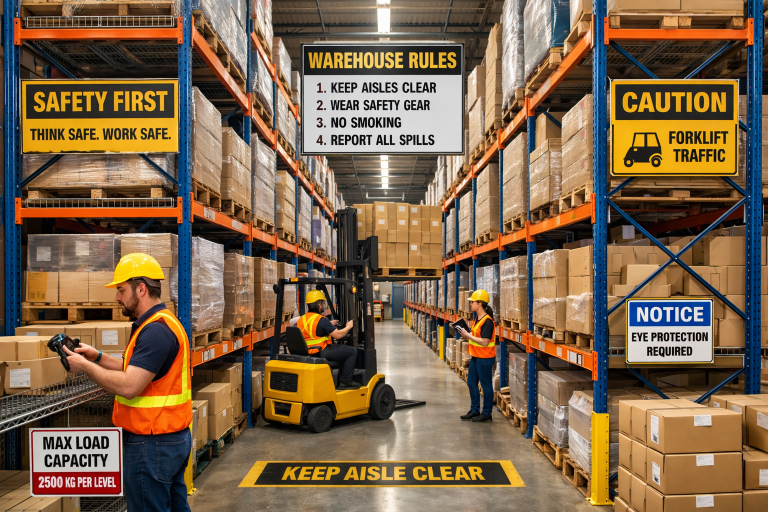
New racking systems are being designed with built-in safety upgrades, reflecting stricter industry standards and regulatory expectations. Features such as reinforced anchoring, shock-absorbing materials, and clearly visible load signage help prevent overloading and reduce the risk of collapse, particularly in seismic zones. Automated inspections utilizing AI-powered drones are increasingly used to detect inventory misplacement, rack damage, or obstructions before incidents occur. Regular safety training and compliance audits ensure that warehouse staff remain prepared to respond to hazards. Transparent safety programs, accessible emergency resources, and digital inspection protocols form the backbone of a secure warehouse environment, protecting both people and products while supporting insurance and regulatory requirements.
Embracing Sustainable Storage Practices
Warehouse operators are turning to sustainable practices to reduce operational costs and environmental impacts. LED lighting installations and advanced HVAC controls reduce energy consumption, while investments in solar arrays contribute to renewable energy goals. Selecting recycled or recyclable building materials for racking systems supports green certifications and long-term environmental stewardship. Modern software solutions help monitor energy use in real time and suggest additional efficiency improvements. These initiatives benefit the bottom line and demonstrate a company’s commitment to responsible business. Green approaches not only future-proof warehouses but also appeal to eco-conscious customers and partners.
Leveraging Automation-Ready Racking Systems
The rise of robotics and automation has led racking manufacturers to develop systems designed for seamless integration with automated picking robots and AGVs. Adjustable shelving heights and easy-access design features ensure compatibility with robotic arms and mobile transport units. These systems cut down labor costs and enable round-the-clock picking for critical operations. Automation-ready racking can be paired with inventory management software to enable real-time stock tracking and data-driven decision-making. As warehouses continue to digitize, investing in flexible, automation-compatible infrastructure is crucial for scaling and adapting to future industry shifts. Modern material storage systems empower warehouses to stay ahead of logistical challenges, optimize safety, and streamline efficiency. By thoughtfully upgrading their storage and racking approaches, leading facilities are building a competitive edge in today’s dynamic supply chain environment.
Conclusion
Modern warehouse operations demand storage solutions that balance efficiency, safety, and adaptability. By modernizing selective pallet racking, integrating wire decking, and adopting cantilever and high-density systems, facilities can optimize space while improving accessibility and workflow. Prioritizing safety, compliance, and sustainability ensures that operations protect both personnel and the environment, while automation-ready racking positions warehouses for future technological advancements. Thoughtful implementation of these strategies not only maximizes storage capacity but also enhances operational agility, reduces risks, and supports long-term growth. In a rapidly evolving logistics landscape, investing in intelligent, flexible racking systems is essential for staying competitive, safeguarding inventory, and delivering reliable, efficient service across the supply chain.