
Life
How to Identify and Treat Tree Diseases

Trees breathe life into the planet. They hold ecosystems together, offer shelter to wildlife, and add charm to everything from forests to city parks.
However, here’s the thing: just like people, trees can get sick too. When they do, the consequences can be enormous. A single infected tree threatens an entire green space.
That’s why spotting issues early and acting fast matters.
In this guide, we’ll walk through five of the most common tree illnesses and what you can do about them so your trees stay strong, vibrant, and very much alive.
Identifying Common Tree Diseases
Let’s start with the basics. Pay attention to any changes in your trees.
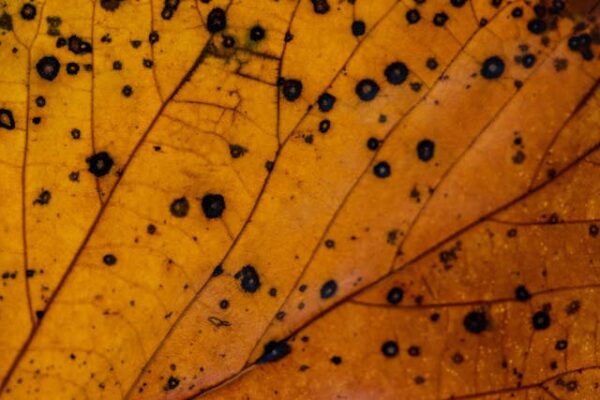
Leaves that look unusual, display strange colours or patterns, or hang limp may be signs of something more serious. The sooner you notice these changes, the better the chances of helping your tree recover.
Take clear photos and keep track of how symptoms progress over time.
Focus on things like discoloured foliage, bark damage, spots on leaves, or thinning branches. Watching these changes closely can make it easier to identify what is wrong.
Using an app can also be helpful. Tools such as PictureThis, Plantix, or TreeCheck use photos and built-in guidance to help identify diseases and offer care suggestions. These tools are especially useful if you are new to tree care.
Fungal Infections
Fungi don’t mess around. They can quietly sap a tree’s energy, slow its growth, and even weaken its limbs. The usual suspects? Powdery mildew and root rot.
Powdery mildew acts like a white film on the leaves and seems harmless, but it spreads quickly in still, warm air.
Root rot hides underground, often in waterlogged soil, quietly turning roots into mush while the tree above starts to fade. Also, spores spread easily, carried by wind, rain, or even unclean tools, which makes prevention quite a challenge.
It’s best to start with natural remedies like neem oil or a mild baking soda solution. Yet, if those don’t do the job, turning to a specialised fungicide is often the next step.
To stop it from spreading, snip off infected branches quickly. In addition, give your trees space and air. Proper pruning and spacing help keep things dry and unfriendly to fungi.
Bacterial Diseases
When bacteria hit, they hit hard, fast, and often ruthlessly.
Take fire blight, for example. This is a nightmare for apple and pear trees, as the leaves turn black, the branches curl, and the entire tree begins to resemble a forest fire.
Another common issue is bacterial leaf spot, which causes dark blotches to appear and leads to early leaf drop.
If you spot it, act quick. Cut away more than what looks damaged, as bacteria travel farther than they appear. Some sprays can help, but cleaning your tools before and after is just as important.
For long-term protection, it’s wise to choose tree types that naturally resist these infections. Many nurseries offer hardy varieties that are better suited to cope with local threats.
Viral Infections
Viruses affect trees differently from fungi or bacteria. They spread more slowly, but once a tree is infected, there is no cure.
Signs include twisted leaves, unusual patterns, discoloured veins, and stunted growth. Fruit may be misshapen or reduced in quantity.
These viruses often enter through cuts in the bark or are carried by insects like aphids or mites. They can also spread through unclean pruning tools or grafting.
Unfortunately, infected trees usually need to be removed. While tree felling is a last resort, it helps stop the virus from spreading to healthy trees.
Prevention is what matters most. So, avoid damaging bark, clean tools regularly, and keep trees healthy with proper watering and feeding.
Disease Susceptibility from External Stresses
Sometimes it’s not about what invades the tree; it’s what weakens it in the first place. Environmental stress can quietly open the door to disease.
During a drought, everything becomes parched. Signs include wilting, leaf scorch, and brittle twigs. Poor soil? That often shows up as slow growth, pale leaves, or frequent dieback.
At the same time, pollution coats the leaves in residue—especially near roads—blocking sunlight and interfering with the tree’s ability to breathe.
To fight back, start small. Deep watering during dry weeks builds strong roots. Aim for a slow soak once a week rather than frequent light sprinkles.
Compost or natural fertiliser can help bring poor soil back to life. Look for signs that your tree is getting better, such as brighter leaves and new shoots.
Add a layer of mulch around the base of the tree, about 5 to 7 centimetres thick. This helps retain moisture, protects roots, and gradually enriches the soil.
Generally, make sure not to pile the mulch against the trunk, as that can cause it to rot.
Beyond that, test the soil once or twice a year. Simple kits from garden centres can tell you if it’s lacking nutrients or if the pH is off, helping you make informed adjustments instead of guessing.
Preventive Measures
Why wait for trouble when you can stay ahead of it? A little effort now keeps problems from showing up later.
Start with pruning. Get rid of what’s dead or fallen. It clears the air around your tree and keeps the dampness down—fungi hate that.
Always use clean tools and make angled cuts just outside the branch collar to avoid unnecessary damage. Late winter or early spring is usually best for most tree types.
Next, check in regularly. Once a season, give your trees a slow walk-around. Look for subtle signs—leaf changes, bark splits, and unusual growth.
Bring in professionals once a year to give things a proper look. They’ll catch issues you might miss and offer tips based on your exact setup.
Furthermore, soil matters more than most people think. Instead of synthetic fertilisers, feed it with compost tea, worm castings, or seaweed-based mixes. These are gentle, natural, and won’t overload the system or throw off the soil’s balance.
Finally, mix things up. Don’t plant only one type of tree. A diverse landscape slows disease spread and strengthens your garden’s overall defences.
When to Seek Professional Services
Sometimes, things go beyond what you can handle alone. If a tree’s still declining after you’ve done your best, call in a specialist.
Look for certified arborists, ideally those recognised by the Arboricultural Association in the UK. They’re trained to tackle complex problems and give tailored care.
Ask around locally. Neighbours or garden centres might know someone great. When the expert visits, be clear about what you’ve seen and done. It helps them help you.
Getting help early can mean saving a tree instead of resorting to tree felling. A single consultation could spell the difference between a straightforward solution and a significant setback.
Conclusion
In the end, it’s all about paying attention. Trees don’t speak, but they show us signs; we just have to look.
Every action helps: from trimming a diseased limb to feeding the soil right. The better the care, the stronger the tree.
If things get too tricky, there’s no shame in asking for help. A well-kept tree isn’t just pretty; it’s part of something bigger, something worth preserving.