
Business
Phishing Awareness Training: How to Keep Your Team Alert and Secure


The Pillars of an Effective Phishing Awareness Training Program
In today’s digital world, cyber threats are constantly evolving. One of the most common and dangerous is phishing. Phishing attacks trick people into giving away sensitive information. They use fake emails, messages, or websites to do this. This tactic is often referred to as social engineering. It targets the human element in cybersecurity. Sadly, our employees can sometimes inadvertently become a point of entry for these attacks.
These attacks pose a significant risk to businesses of all sizes, especially small and medium-sized ones. Did you know that 68% of all security breaches involve a human element? Phishing activities account for 36% of data breaches. These attacks can result in significant financial losses and damage to a company’s reputation.
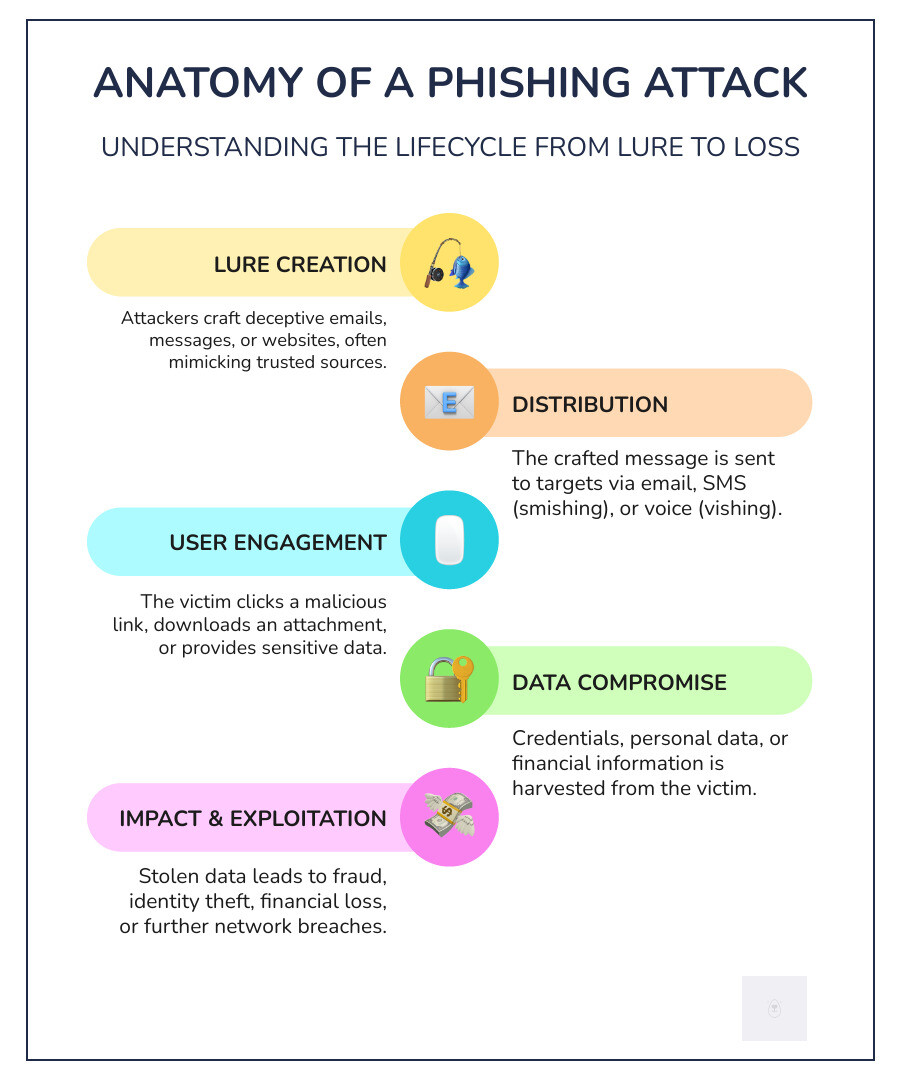
But there is a powerful solution: a well-designed phishing awareness training program. This guide will show you how to turn your team from potential targets into your strongest defense. We will explore how to effectively train employees to spot and report phishing attempts. We will also dig into the key parts of a successful training program, including smart planning, engaging content, and effective testing. You’ll learn the role of phishing simulations, how to measure your program’s success, and how to build a security-aware culture that lasts. For insights into building specific programs, such as a CyberNut K-12 phishing program, you can explore dedicated resources.

Building a robust phishing awareness training program isn’t just about showing a few videos; it’s about establishing a comprehensive strategy that encompasses meticulous planning, unwavering executive support, dynamic content, and a commitment to continuous learning. This holistic approach ensures that cybersecurity becomes an ingrained part of your organizational culture, changing your workforce into a formidable “human firewall.”
Securing Leadership Buy-In for Your Phishing Awareness Training Program
Without the full backing of leadership, even the most carefully planned security awareness initiatives can falter. Gaining executive support is paramount. It starts with aligning your program with core business objectives. Frame cybersecurity not merely as an IT issue, but as a critical component of risk reduction, business continuity, and brand reputation.
Demonstrate the potential financial impact of a breach – considering that phishing attacks cost businesses an average of $140,000 per incident – and then present the compelling return on investment (ROI) that a strong training program can offer. For instance, some organizations have achieved a three-year ROI of 276% with payback in under three months by implementing comprehensive security awareness training platforms. This includes significant cost avoidance in risk exposure and investigation costs, making a clear business case for investment.
Establishing a formal security awareness policy, endorsed by leadership, signals its importance to all employees. Clearly define the program’s goals, whether it’s reducing the “Phish-prone Percentage” (the likelihood of an employee clicking a malicious link), increasing reporting rates, or fostering a general culture of vigilance.
Developing Engaging and Relevant Training Content
Once leadership is on board, the focus shifts to content. “Old-school” awareness training, often characterized by annual, tedious presentations, simply doesn’t cut it anymore. To be effective, training must be engaging, relevant, and memorable.
Consider adopting a micro-learning approach, delivering information in short, digestible chunks. Interactive videos, gamification elements, and quizzes can transform a mundane task into an enjoyable learning experience. For example, some platforms offer full-length courses of approximately 12 minutes, or condensed versions around 6 minutes, which include interactive quiz questions to reinforce learning. The world’s largest libraries of security awareness content, such as those offered by KnowBe4, provide access to interactive modules, videos, games, posters, and newsletters available in over 34 languages, ensuring a diverse range of content and accessibility.
Crucially, content should be role-based, addressing the specific threats and responsibilities relevant to different departments or individual roles. Real-world examples of phishing attempts, often drawn from current events or industry-specific scams, make the training immediately relatable.
Here are common phishing red flags to include in your training:
- Sense of Urgency: Demands immediate action, often with threats of account suspension or legal action.
- Generic Greetings: Uses “Dear Customer” instead of your name.
- Mismatched Links: The displayed link text doesn’t match the actual URL it points to (hover before clicking!).
- Unexpected Attachments: Attachments from unknown senders or unexpected files from known contacts.
- Grammar and Spelling Errors: Professional organizations rarely send emails with obvious mistakes.
- Unusual Sender Address: The “From” email address looks slightly off or doesn’t match the purported sender’s domain.
- Requests for Sensitive Information: Asks for passwords, credit card numbers, or other personal data directly via email.
Adapting to the Latest Phishing Tactics
Cybercriminals are constantly innovating, and your training must keep pace with their evolving tactics. The days of easily identifiable, poorly written phishing emails are largely behind us. Today’s threats are far more sophisticated.
- AI-powered Phishing: The rise of Artificial Intelligence (AI) tools allows phishers to craft highly convincing, personalized messages at scale, making them harder to detect. This means training needs to emphasize critical thinking and verification over simple pattern recognition. Reports indicate that threat actors can now use AI tools to automate entire attack operations, necessitating adaptive training.
- Spear Phishing: Highly targeted attacks aimed at specific individuals, often leveraging publicly available information to build trust.
- Business Email Compromise (BEC): A particularly insidious form of spear phishing where attackers impersonate a high-ranking executive (like the CEO or CFO) to trick employees into transferring funds or sensitive data.
- Vishing (Voice Phishing): Phishing conducted over the phone, where attackers impersonate legitimate entities (e.g., banks, tech support, law enforcement) to extract information. A common vishing scam involves callers pretending to be law enforcement and issuing arrest warrants.
- Smishing (SMS Phishing): Phishing via text message, often containing malicious links or requests for personal information.
- Callback Phishing Scams: These attacks involve an email with a seemingly legitimate service or payment notification, instructing the recipient to call a provided phone number to resolve an issue. The number, however, connects to an attacker who then attempts to extract sensitive information or convince the victim to install malware.
To stay ahead, your training content should be regularly updated to reflect these new threats. Leveraging platforms that incorporate real-time threat intelligence, often from security research labs, can ensure your employees are always learning about the freshest campaigns.

Implementing Phishing Simulations for Real-World Practice
While theoretical knowledge is essential, practical experience is what truly builds resilience. This is where phishing simulations come into play. These controlled, safe exercises expose employees to realistic phishing attempts, allowing them to practice identifying and reporting them without real-world consequences.
The benefits of simulation are immense:
- Practical Experience: Employees get hands-on practice in a safe environment.
- Building Muscle Memory: Repeated exposure helps embed the right behaviors, making detection and reporting instinctive.
- Just-in-Time Training: Simulations often trigger immediate, targeted training for those who fall for the lure, reinforcing learning at the moment of need.
Phishing simulation is a crucial and effective method for promoting awareness and enhancing behavior. It consistently reinforces the importance of security and creates a top-notch defense against the new generation of phishing attacks.
How to Conduct a Phishing Simulation Test
Effective phishing simulations require careful planning and execution.
- Establishing a Baseline: Before any training begins, conduct an initial simulation to gauge your organization’s “Phish-prone Percentage.” This provides a crucial benchmark for measuring progress. Some initial tests reveal that as many as 33% of employees might click on a basic phishing test.
- Using a Library of Templates: Leverage a diverse library of phishing email templates that mimic real-world threats. These should range in difficulty and incorporate various social engineering tactics. Platforms like Sophos Phish Threat offer hundreds of realistic and challenging phishing attacks based on real-time threat intelligence.
- Customizing Scenarios: Tailor the simulation scenarios to your industry, organization, and even specific departments. This makes the simulations more believable and relevant to your employees’ daily experiences. For instance, you might simulate a BEC attack if your finance department is a frequent target.
- Scheduling Regular, Randomized Tests: Consistency is key. Conduct simulations regularly, ideally monthly or bi-weekly, but vary the timing and content to prevent employees from anticipating the tests. Automated phishing programs can send monthly randomized tests to users, saving valuable administrative time.
From Click to Classroom: Handling Simulation Failures
The most critical aspect of phishing simulations is how you handle “failures.” A punitive approach – shaming or punishing employees who click – is counterproductive and can breed resentment, encouraging employees to hide mistakes rather than learn from them.
Instead, adopt a non-punitive approach focused on learning and positive reinforcement. When an employee clicks on a simulated phishing email, they should be immediately directed to a “Learning Moments” landing page. This page should clearly state, “This wasn’t a real attack, but it could have been,” and provide instant, concise remedial training on the red flags they missed and what they should have done. This just-in-time training is highly effective because the employee is already engaged and receptive to learning.
Emphasize reporting over blaming. Encourage employees to report all suspicious emails, whether real or simulated, using a dedicated “Phish Alert Button” or reporting mechanism. This transforms employees into active participants in your defense, turning every potential threat into an intelligence gathering opportunity. Rewarding those who report correctly can further reinforce this positive behavior.
Measuring Success and Demonstrating ROI
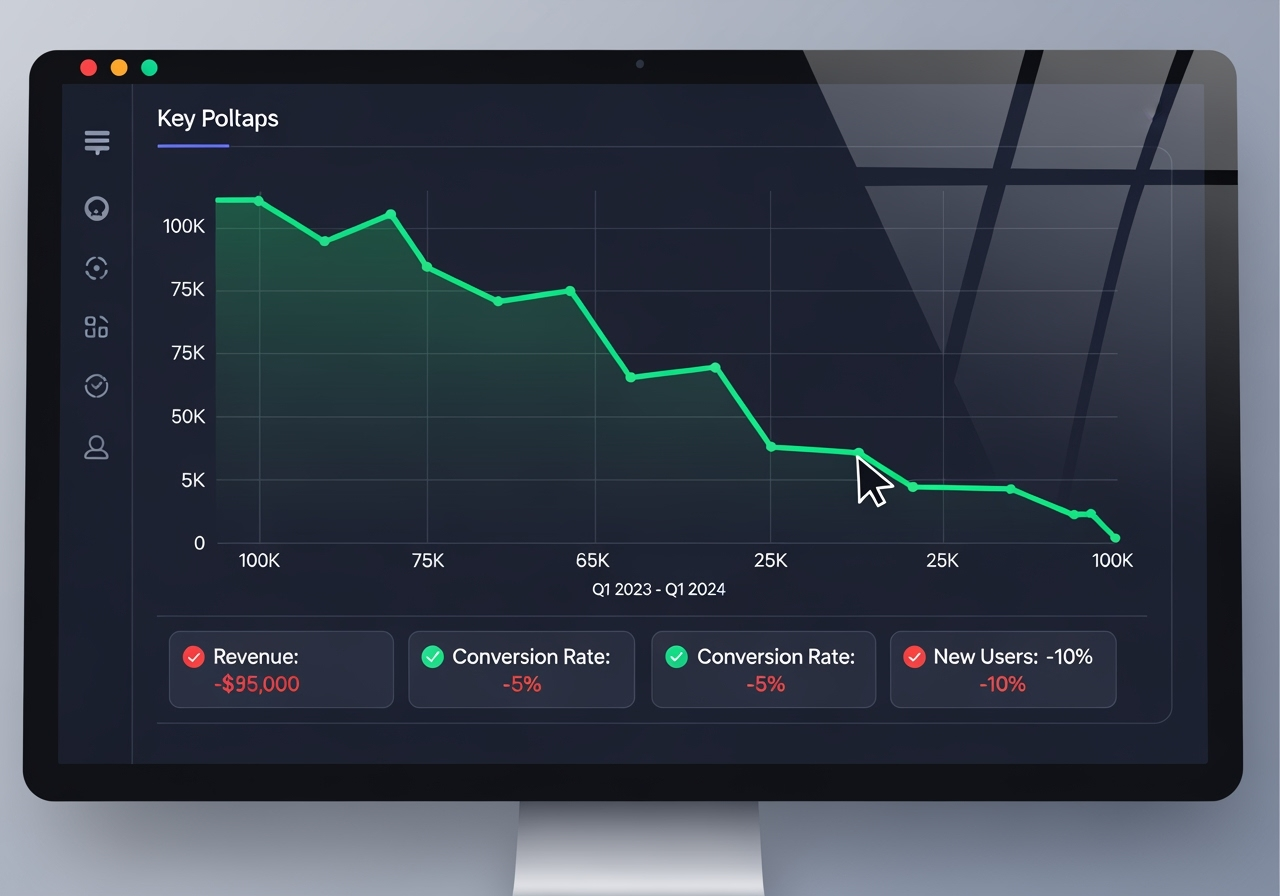
You can’t manage what you don’t measure. To truly understand the impact of your phishing awareness training program and secure continued investment, you must track key metrics and effectively communicate its value. This data-driven approach allows you to make informed decisions, optimize your program, and prove its tangible benefits to the organization.
Key Metrics to Track in Your Phishing Awareness Training Program
Several metrics provide insight into your program’s effectiveness:
- Click Rates vs. Reporting Rates: The most fundamental metric. You want to see click rates decrease over time, while reporting rates increase. Some organizations have seen their Phish-prone Percentage drop from 30% to less than 5% after 12 months of consistent training. Others have reported a 3x reduction in users clicking on phishing emails.
- Training Completion Data: Track who completes training, when, and their scores on quizzes. This ensures compliance and identifies areas where content might need improvement.
- Changes in User Risk Scores: Many platforms assign individual risk scores based on simulation performance and training engagement. Monitoring these scores over time can show a quantifiable reduction in human risk.
- Time-to-Report Metrics: How quickly do employees report suspicious emails? A shorter time-to-report indicates higher vigilance and faster incident response potential.
- Overall Reduction in Security Incidents: While harder to directly attribute solely to training, a decrease in actual phishing-related security incidents (e.g., malware infections, credential compromises) provides the strongest evidence of success.
Communicating Program Value to Stakeholders
Translating technical metrics into business language is crucial for C-Suite reporting. Use clear dashboards that visually represent progress, focusing on trends and the impact on organizational risk.
Calculate cost avoidance by estimating the potential financial losses from prevented breaches (e.g., legal fees, recovery costs, reputational damage) and comparing them to the program’s investment. This demonstrates a clear ROI. For example, one enterprise organization achieved $432,000 in reduction in risk exposure and $411,000 in cost avoidance from reduced email alert investigations and response costs over three years.
Tying metrics to business outcomes like compliance (e.g., meeting regulatory requirements like HIPAA or GDPR) and operational continuity (e.g., fewer disruptions due to phishing attacks) further strengthens your case. Demonstrate how the training directly contributes to the organization’s strategic goals, making security awareness an indispensable asset rather than a mere cost center.
Fostering a Lasting Culture of Security Awareness
Effective phishing awareness training does more than just meet compliance standards; it’s about building a lasting culture of security awareness where every employee serves as a “human firewall.” This means shifting security from an IT-only concern to a shared responsibility.
Beyond the Training Module: Daily Reinforcement
Formal training sessions are just one piece of the puzzle. Continuous reinforcement is vital to keep security top-of-mind.
- Security Champions Program: Identify and empower enthusiastic employees in different departments to act as security advocates. They can answer basic questions, promote best practices, and serve as a liaison between their teams and the IT/security department.
- Posters and Newsletters: Place engaging security awareness posters in common areas and distribute regular newsletters with security tips, news about the latest threats, and success stories.
- Regular Security Tips: Send brief, actionable security tips via internal communication channels (e.g., internal chat, email, intranet).
- Publicly Recognizing Positive Security Behaviors: Recognize employees who accurately spot and report phishing attempts. This kind of recognition encourages the behavior and motivates others to do the same.
Employees are not a security problem; they are part of the solution. Platforms like Infosec IQ emphasize this by helping inspire employees to adopt security practices.
Common Pitfalls to Avoid in Your Program
Even with the best intentions, programs can stumble. Be aware of these common pitfalls:
- One-and-Done Training: A single annual training session is insufficient. Phishing tactics evolve too rapidly.
- Inconsistent Testing: Irregular or predictable simulations undermine the program’s effectiveness.
- Punitive Consequences for Failure: As we discussed, this results in concealing errors and promotes a culture of negative security.
- Lack of Leadership Involvement: If leaders don’t visibly support and participate in the program, employees will perceive it as unimportant.
- Using Outdated Content: Training materials must be regularly updated to reflect the latest threats and technologies.
- Generic Content: Not tailoring content to specific roles or industries. For specialized environments like schools, a custom CyberNut K-12 phishing program can help address unique challenges and compliance needs, ensuring relevance and effectiveness.
Frequently Asked Questions about Phishing Awareness Training
How often should employees receive phishing training?
Training should be continuous. It starts with comprehensive onboarding, followed by year-round reinforcement through brief micro-learning modules and, crucially, at least monthly phishing simulations to keep skills sharp. Malicious actors are always evolving their methods, making it crucial to have regular, updated training.
What is the single most important element of a successful program?
Consistency. A continuous cycle of testing, training, and reinforcement creates a resilient security culture. Sporadic, one-off training sessions are far less effective at changing long-term employee behavior. This ongoing engagement helps build the “muscle memory” needed to react correctly to real threats.
Are phishing simulations legal and ethical?
Yes, when implemented as an educational tool. It’s crucial to establish a clear policy, share the program’s purpose with all employees, and emphasize that it’s for educational purposes, not as a penalty. The goal should be to use the results to offer supportive training, rather than to punish or single out individuals. Transparency and a focus on collective improvement are key to maintaining ethical standards.
Conclusion
A successful phishing awareness training program transforms your employees from potential targets into your most valuable security asset. By moving beyond simple compliance and fostering a proactive security culture through continuous training, simulation, and measurement, organizations can build a resilient human firewall against changing cyber threats. This proactive stance not only protects your data and systems but also strengthens your overall security posture against the changing landscape of cybercrime. To understand your organization’s specific vulnerabilities and to get a clear picture of your current susceptibility, consider a professional phishing audit. This initial step provides the baseline data needed to build a truly effective and targeted training initiative, setting the stage for a more secure future.
@Geometry Dash Lite, I’m curious, how do you balance training frequency to keep the team engaged without causing fatigue? Also, have you seen any effective tools that enhance learning retention?