
Finance
Essential Money Resources for Veterans After Service

Navigating the Financial Transition to Civilian Life
Leaving active duty is more than a career change—it’s a complete lifestyle shift. The steady pay, housing allowances, and structured benefits of military life give way to a world that demands self-navigation. Suddenly, veterans are not just adapting to civilian jobs but also managing new financial responsibilities, from healthcare to housing to education costs. Finding the right support early can make all the difference. For those juggling bills or dealing with high-interest debt during this adjustment, exploring veteran debt assistance can help create breathing room while focusing on rebuilding financial stability and independence.
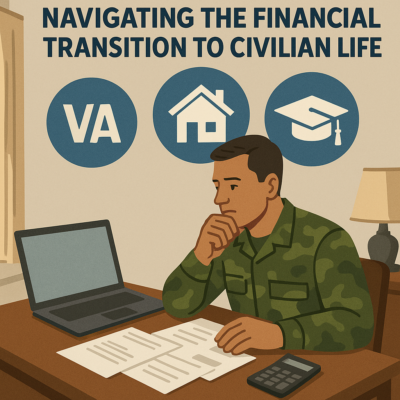
Understanding and Maximizing VA Benefits
The Department of Veterans Affairs offers one of the most robust benefit systems in the country, yet many veterans underutilize it simply because it’s complex or confusing to navigate. VA benefits can cover a wide range of financial needs, including disability compensation, healthcare, home loans, and education.
Healthcare through the VA can dramatically reduce out-of-pocket expenses, particularly for those dealing with service-related injuries or long-term conditions. Veterans are encouraged to enroll as soon as possible, even if they’re currently covered by another plan, since VA healthcare can act as a backup safety net.
Disability compensation is another key benefit that can provide consistent, tax-free income. Filing for this early helps ensure financial support is available during the transition period. The VA also offers financial counseling services to help veterans manage these benefits wisely and avoid common pitfalls such as unverified claims or unnecessary third-party fees.
Education and Career Advancement Support
One of the most powerful financial tools available to veterans is the GI Bill. It not only covers tuition and housing while attending school but can also fund vocational training, apprenticeships, and professional certifications. For veterans interested in technology, healthcare, or skilled trades, these programs can lead directly to stable, high-demand careers.
The U.S. Department of Veterans Affairs GI Bill page provides a detailed breakdown of available programs, eligibility requirements, and approved institutions. Veterans should also explore state-specific education benefits, as many states supplement the federal GI Bill with their own tuition assistance programs.
In addition to education, the Veteran Readiness and Employment (VR&E) program helps those with service-connected disabilities prepare for and maintain meaningful employment. These resources not only enhance earning potential but also reduce the need for high-interest loans or credit card use during job transitions.
Securing Affordable Housing and Home Loans
Owning a home remains a cornerstone of financial stability, and the VA’s home loan program is one of the most valuable benefits available to veterans. It allows qualified applicants to purchase homes with no down payment, no private mortgage insurance, and competitive interest rates.
For those not yet ready to buy, the program also supports refinancing options and grants for modifying homes to accommodate disabilities. Veterans struggling with housing costs should reach out to VA-approved counselors who can provide free guidance on mortgage assistance or foreclosure prevention.
The U.S. Department of Housing and Urban Development also offers veteran-specific programs for affordable housing and rental support. Combining VA and HUD resources can make a major difference in reducing monthly housing burdens.
Managing Debt and Building Financial Confidence
Transitioning to civilian life often means managing a mix of new and existing debts—car payments, credit cards, or student loans—that may feel overwhelming, especially during employment gaps. Learning to budget around fluctuating income can take time.
Veterans who find themselves struggling with debt can benefit from financial literacy programs and nonprofit counseling services. Many organizations offer veteran-focused financial education, helping former service members understand credit management, savings strategies, and long-term planning.
When debt becomes too heavy to manage alone, structured programs such as veteran debt assistance can help consolidate payments or negotiate with creditors to reduce interest and restore financial stability. The goal is not just to relieve pressure but to rebuild confidence and control over personal finances.
Nonprofit and Community-Based Resources
Beyond government programs, nonprofits play a critical role in supporting veterans’ financial health. Organizations such as the National Foundation for Credit Counseling (NFCC) and Operation Homefront offer free or low-cost financial guidance, emergency grants, and housing support.
Local veteran service organizations (VSOs) can also be valuable allies. They often provide peer mentorship, career networking, and workshops on managing benefits effectively. Many communities host veteran resource centers that connect individuals to job fairs, business loans, and small business grants tailored to former service members.
Taking advantage of these community networks can turn an overwhelming transition into a well-supported journey toward independence and financial security.
Empowering Financial Independence After Service
The path to post-service financial stability isn’t one-size-fits-all. It takes a blend of education, planning, and the right support systems to build a strong foundation. By leveraging VA benefits, pursuing continued education, exploring affordable housing options, and addressing personal debt proactively, veterans can turn challenges into opportunities for growth.
Financial confidence after service doesn’t happen overnight—but with the right tools and community support, it’s entirely within reach.
Transitioning from military service to civilian life can be both exciting and challenging—especially when it comes to managing finances.
The GI Bill literally paid for my HVAC certification, which got me steady work fast. Healthcare enrollment saved me thousands during a rough patch too. When I was researching letter-writing services to stay connected with family during training, I spent hours reading Sandboxx reviews to make sure it was legit before sending anything. Don’t sleep on those VSOs either; they helped me sort my disability claim paperwork in one afternoon.