
House and Home
5 Steps to Future-Proof Commercial Energy Systems in San Diego Before 2030

Commercial properties in San Diego face higher energy costs and stricter building standards before 2030. Title 24 code changes, SDG&E tariffs, and increased electric vehicle adoption are expanding electrical demand. Older HVAC systems, limited controls, and unplanned charger installations add to upgrade complexity. To remain compliant and limit grid impact, property managers require structured technical planning.
Essential actions include complete energy audits, automated load controls, coordinated EV and solar integration, real-time performance analytics, and consistent vendor alignment. These measures lower retrofit costs, reduce approval delays, and improve system reliability. Technical preparation supports adaptation to time-of-use rates and interconnection rules while maintaining safe, efficient operations consistent with San Diego’s regulatory and energy requirements.
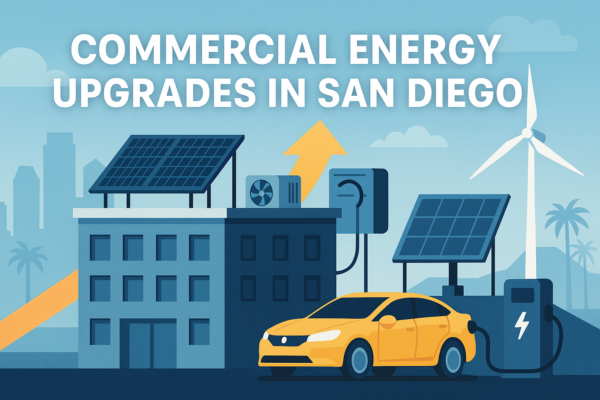
Perform a Detailed Energy Infrastructure Audit
Meter-level monitoring across HVAC, lighting, and EV systems builds a verified energy baseline for decision-making. Collect detailed circuit and tenant data over several months to identify seasonal and daily use patterns. Examine peak loads and link them to operating schedules to locate overloaded feeders or inefficient equipment. Coordination with parking management consultants provides layout data for EV charger locations, conduit routing, and parking-area lighting circuits, supporting accurate mapping of electrical demand zones.
Prepare accurate one-line diagrams that show all feeders, transformer ratings, and main connection points. Record nameplate data, condition, and runtime for each major system to define upgrade priorities based on Title 24 deadlines and SDG&E interconnection rules. Include all required utility paperwork, export limits, and protective relay details. This documentation reduces design uncertainty, avoids permit delays, and supports clear project sequencing and cost planning for future system changes.
Implement Grid-Responsive Load Management Systems
Smart load controls link building management systems to utility price and grid signals. Automated demand response shifts or reduces nonessential loads during high-rate periods and schedules HVAC or EV charging mainly in off-peak hours. Control testing verifies automation accuracy and sequence reliability.
Tiered load priorities protect essential systems while allowing curtailment of lighting or secondary circuits.
Rate schedules and real-time forecasts feed dashboards that optimize charge timing and load dispatch. Continuous monitoring maintains compliance, lowers demand charges, and sustains stable operating costs. Proper configuration supports measurable load flexibility and limits grid exposure during demand events.
Coordinate EV Charging Expansion With Onsite Energy Generation
Planned coordination of EV charging and onsite generation protects infrastructure and simplifies permitting. Reserve feeder capacity, prewire conduits, and stage charger activation to match load availability. Integrate rooftop solar to offset daytime demand and set inverter export limits consistent with SDG&E terms.
Smart metering divides energy use by tenant, fleet, and shared areas for accurate billing. Battery systems store excess solar power, reduce peaks, and supply short-duration backup. Align metering, storage, and charger scheduling during design to prevent retrofits. This combined strategy improves efficiency, maintains compliance, and supports scalable long-term EV growth.
Apply Continuous Performance Analytics and Maintenance Controls
Continuous monitoring software gathers real-time data from HVAC, lighting, solar, battery, and charging systems. The platform converts data into performance indicators for maintenance teams. Centralized models replace separate logs and allow sitewide analysis of loads, faults, and control responses. Predictive diagnostics track vibration, temperature, and runtime to detect wear and schedule service.
Automated rules generate work orders matched to vendor qualifications and warranty terms. Benchmarking across San Diego’s climate zones refines equipment settings, energy storage dispatch, and upgrade sizing. Documented reductions in energy use and peak demand link directly to savings calculations and payback models. The overall methodology supports consistent reliability and clear return on investment tracking.
Establish Coordinated Vendor and Utility Partnerships
Formal coordination with vendors and utilities reduces project delays and operational risk. Agreements with SDG&E should define outage response procedures, interconnection responsibilities, and rate notification timelines. Vendor qualification packages must confirm local code knowledge, SDG&E experience, valid insurance, and warranty coverage. These requirements reduce rework and improve approval speed.
Shared digital platforms display key performance indicators, maintenance schedules, and fault alerts for all participants. Combining HVAC, electrical, generation, and charging maintenance calendars prevents overlapping outages and missed service windows. Regular metric-based meetings enable progress reviews and targeted improvements. Consistent coordination supports timely communication, predictable procurement, and verified performance across all managed energy and mechanical systems.
A clear plan for commercial energy upgrades integrates audits, automated controls, EV infrastructure, analytics, and coordinated partnerships. Verified data establishes baselines for accurate sizing and performance forecasting. Grid-responsive operations, combined with solar generation and energy storage, manage peak charges and maintain compliance with Title 24 and SDG&E requirements. Ongoing analytics and vendor coordination support continuous improvement and measurable efficiency gains. Early action limits retrofit costs, reduces equipment downtime, and supports stable long-term operations. Defining technical priorities, scheduling upgrades, and documenting vendor responsibilities create a predictable path to compliance and performance goals through 2030 and beyond. Clear accountability for procurement, planning, and funding maintains consistent progress and transparent project execution across all systems.
Reading this breakdown took me right back to a project we worked on in San Diego last year. The biggest surprise was how quickly retrofit costs spiral when you don’t start with a proper audit. One missed feeder upgrade can stall an entire EV installation. I even found myself checking user stories on https://purchasing-power.pissedconsumer.com/review.html to compare how other teams budget for phased upgrades. Once we synced vendors, utilities, and analytics dashboards, everything finally clicked, and operating costs stabilized. Planning really is everything.