
Business
How Much Does a Water Pump Cost
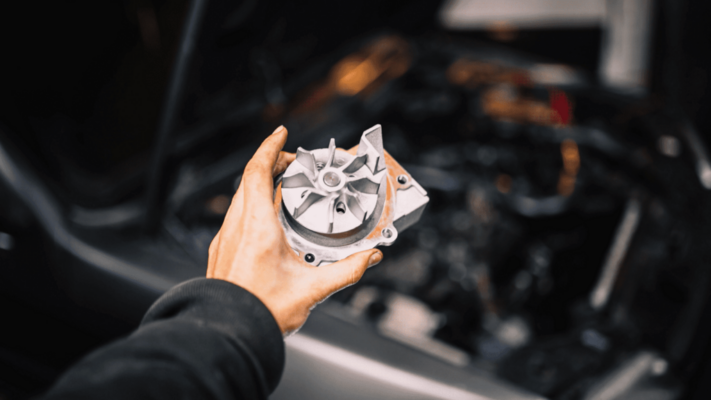
Every operator understands the extreme importance of this component in sustaining the engine’s operation while under heavy burdens. However, the matter of cost frequently decides whether the repair shall be carried out on the present day or postponed until the following week. This guide provides an explanation of how a water pump functions, the typical replacement cost in the United States, the factors that affect these costs, and the potential consequences that may arise if the issue is ignored. Upon finishing this guide, you shall possess a clear recognition of the expenditures that may appear and the methods by which money may be conserved prudently, without diminishing the dependability of your machine.
How Much Does It Cost to Replace a Water Pump?
The total price to replace a bad water pump varies depending on the machinery type and engine complexity. Based on U.S. repair averages, full replacement—including parts and labor—ranges from $450 to $1,200. The pump itself may represent just 20%–40% of that figure, with the remainder due to labor.
Let’s break that down more clearly:
| Cost Component | Typical Range (USD) | Description |
| Replacement Water Pump (Part Only) | $36 – $453 | Aftermarket components |
| Labor Charges | $400 – $900 | U.S. mechanic averages: $100 – $150/hour |
| Additional Items (Coolant, gasket, belts) | $50 – $150 | Should be replaced with the pump |
Professional labor in the U.S. is expensive—especially in states with high hourly shop rates. That makes parts cost control one of the smartest ways to reduce total spending.
For example, with OEM pumps sometimes costing $500 to $800, choosing a high-quality aftermarket FridayParts water pump priced around $100 to $400 can save hundreds without affecting performance. Especially if your machine already requires hours of disassembly, budget efficiency in parts becomes essential.
Another way to reduce the bill is timing: replace the water pump when the engine is already open for other service work, like belt or thermostat replacement. It minimizes duplicated labor and improves long-term reliability.
Factors That Affect A Water Pump Cost
Not all water pumps cost the same. Several technical and operational factors influence the total repair cost:
1. Engine Design and Accessibility
Some off-road engines position the water pump on the front, accessible by removing a cover or belt. Others integrate it deep within the timing system, requiring hours to reach. The more labor-intensive the access, the higher the cost.
2. Machine Type and Usage Conditions
Bulldozers, excavators, or wheel loaders each run under different thermal and vibration loads. Heavy‑duty engines demand pumps with stronger casings, balanced impellers, and upgraded bearings—all of which slightly raise part prices but improve lifespan.
3. Part Quality and Origin
OEM parts often come at premium prices because of branding and distribution overhead. High‑quality aftermarket water pumps—which meet or exceed OEM specifications—offer the same precision machining and bearing life without the markup.
FridayParts, for instance, tests each water pump under flow, pressure, and endurance conditions to ensure equal or better performance than dealer‑supplied versions.
4. Maintenance History
Poor maintenance—such as infrequent coolant changes or ignoring belt wear—can shorten pump life and lead to repeat repairs. Preventive replacement of connected parts like belts, gaskets, and coolant hoses saves money over time.
5. Professional vs. DIY Replacement
If you’re technically inclined and have workshop access, doing the replacement yourself can significantly reduce expenses. However, it’s important to follow torque specs, bleeding procedures, and safety protocols carefully. Incorrect assembly can cost more than hiring a specialist.
6. Associated Upgrades
Often, when replacing a water pump, mechanics recommend changing nearby components such as idler pulleys, tensioners, or thermostats. Though these add short‑term cost, they prevent future disassembly—offering long-term savings.
Tips to Prevent Your Water Pump Failure
While some failures are inevitable, most are preventable with routine checks. Operators can follow these steps:
- Inspect for leaks during pre‑shift walkarounds.
- Monitor temperature gauges—a creeping rise may signal circulation loss.
- Flush and replace coolant at recommended intervals.
- Check belt tension and pulley alignment after major service.
- Replace gaskets and seals whenever the system is opened.
Scheduling these checks during oil or filter service adds no extra downtime and identifies pump issues early. For owners managing multiple machines, bulk‑ordering reliable aftermarket parts can standardize maintenance and keep costs predictable.
Conclusion
Given how high U.S. labor rates have become, most savings come from intelligent parts sourcing. Aftermarket pumps—spanning Kubota, Perkins, Deutz, Yanmar, and John Deere—maintain OEM fit and performance between $36 and $453. That’s often 30–50% less than dealer pricing while still meeting factory specs for flow rate, pressure, and balance. When downtime costs hundreds per hour, accessibility to OEM‑quality components without dealer premiums allows teams to keep on schedule and under budget.