
Business
Trends in Modern Hospitality and Large-Scale Event Planning
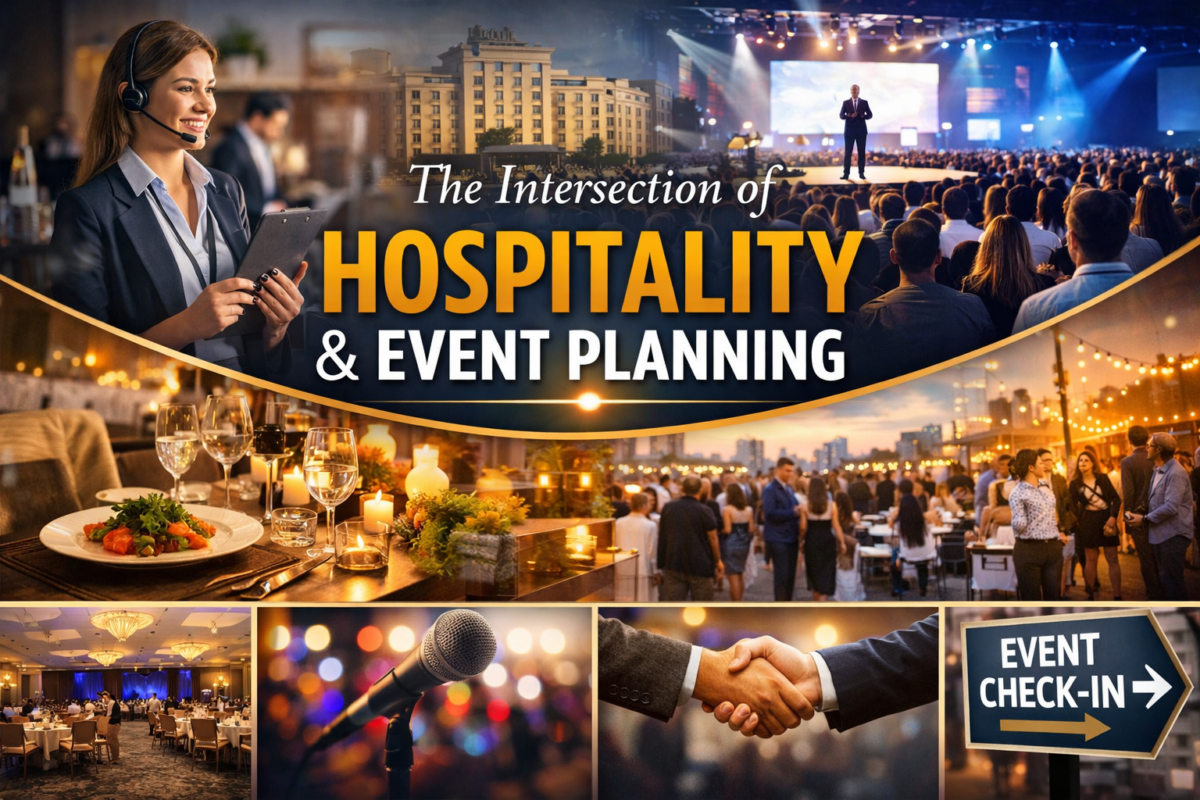
The Intersection of Hospitality and Event Planning
 The dynamic world of events is constantly evolving, driven by new trends in how people gather, celebrate, and connect. At the heart of this vibrant sector lies the crucial interplay of hospitality and event planning. This field is not just about logistics; it’s about crafting unforgettable experiences.
The economic impact is staggering: the global event management market is projected to reach an astounding $1.76 trillion by 2029, supporting over 10.9 million direct jobs worldwide. For us, the ultimate measure of success is guest experience and attendee satisfaction, whether at a high-profile corporate gala or a large-scale festival.
In this comprehensive guide, we will delve into the essential relationship between hospitality and event planning. We will explore key aspects from strategic site selection and diverse event categorization to professional development and career trajectories, offering insights into best practices that drive success in markets like New York City. Join us as we navigate the full 5-stage event planning lifecycle, from initial concept to final evaluation.

Hospitality, at its core, is about the warm and generous reception and entertainment of guests, visitors, or strangers. Its roots trace back to ancient Greek traditions of welcoming travelers, emphasizing comfort and care. In the realm of event planning, hospitality is not merely a courtesy; it is the cornerstone of success. It encompasses every touchpoint where attendees interact with an event, from their initial welcome to their departure, influencing their overall perception and satisfaction.

Why is this so crucial? Because a positive guest experience directly translates into tangible benefits. Businesses that prioritize customer appreciation enjoy an average price premium of 16%—customers are willing to pay more when they feel valued. Conversely, a single negative experience can be detrimental: research indicates that 32% of customers would cease engaging with a brand they once admired after just one bad interaction. This underscores the imperative for event planners to place hospitality at the forefront of their strategies, ensuring every attendee feels comfortable, valued, and engaged. Effective communication, personalized service, and a genuine commitment to attendee well-being are not just niceties; they are strategic imperatives that build brand loyalty and ensure the longevity of an event. For those looking to understand the foundational elements that drive successful event experiences, exploring resources on basic event planning sponsorship can provide valuable insights into building a strong event from the ground up. As Maya Angelou said, “People will forget what you said. They will forget what you did. But they will never forget how you made them feel.” This sentiment perfectly encapsulates the enduring power of hospitality in event planning.
Core Sectors of Hospitality and Event Planning
The hospitality industry is vast and multifaceted, with several sectors directly influencing event planning. Understanding these helps us leverage their strengths to create seamless and memorable experiences.
- Food and Beverage (F&B): This is arguably the largest and most integral hospitality sector, deeply embedded in almost every event. From casual coffee breaks to elaborate gala dinners, F&B is critical. It’s not just about sustenance; it’s about creating social connections, enhancing the event theme, and accommodating diverse dietary needs.
- Accommodation: For multi-day events, conferences, or destination weddings, attendee accommodation is paramount. This sector, encompassing hotels, resorts, and short-term rentals, is projected to be the fastest-growing hospitality sector over the next five years. Event planners often negotiate group rates, manage room blocks, and ensure comfortable stays, directly impacting the overall attendee experience.
- Leisure and Recreation: This sector focuses on entertainment, relaxation, and enrichment. It includes attractions, spas, theme parks, and often, the events themselves, like festivals, concerts, and sporting events. Integrating leisure activities can significantly enhance an event’s appeal and provide opportunities for networking and enjoyment.
- Travel and Tourism: This broad sector involves the movement of people and the services that facilitate it, such as airlines, ground transportation, and tour operators. For events attracting out-of-town or international guests, seamless travel logistics are essential. Event planners often coordinate transportation, provide travel guides, and work with destination management organizations to ensure a smooth journey for attendees.
Essential Hospitality Touchpoints in Events:
- Welcome and Registration: First impressions are crucial, setting the tone for the entire event.
- Catering and Dining: Beyond food, this includes presentation, service, and dietary accommodation.
- Comfort and Amenities: Ensuring comfortable seating, accessible restrooms, and necessary facilities.
- Information and Assistance: Readily available staff to answer questions and provide guidance.
- Entertainment and Engagement: Activities that captivate and involve attendees.
- Safety and Security: A fundamental aspect that allows guests to relax and enjoy.
- Departure and Follow-up: A smooth exit and post-event communication leave a lasting positive impression.
The 10 and 5 Rule in Guest Relations
A simple yet powerful principle for elevating guest relations in hospitality and event planning is the “10 and 5 rule.” This guideline provides a clear framework for staff interaction with guests:
- At 10 feet: When a staff member is within 10 feet of a guest, they should make eye contact and offer a warm smile. This non-verbal cue acknowledges the guest’s presence and creates an inviting atmosphere.
- At 5 feet: When a staff member is within 5 feet of a guest, they should verbally greet them. This could be a simple “Hello,” “Good morning,” or an offer of assistance.
Implementing the 10 and 5 rule across all event staff—from registration personnel to catering teams and security—fosters a consistently welcoming and attentive environment. It’s a fundamental aspect of staff training that enhances customer service standards, makes guests feel seen and appreciated, and contributes significantly to overall hospitality excellence. This proactive approach to guest interaction can transform a functional event into a truly hospitable experience.
Strategic Site Selection and Venue Management
The choice of venue is arguably one of the most critical decisions in event planning, directly impacting the event’s atmosphere, logistics, and overall success. Event planning is a process that requires careful consideration of numerous factors to ensure success. Among these, site selection stands out as a crucial initial step. Our approach to site selection follows a meticulous 8-step process, designed to align the physical space with the event’s objectives and the attendees’ needs.
We begin by clearly identifying the objectives of the event, whether it’s a product launch, a fundraising gala, or an industry conference. Next, we gather past event data and information, analyzing attendee numbers, feedback, and logistical challenges to inform future decisions. This data-driven approach helps us understand what worked well and what needs improvement. We then determine the physical requirements of the event, including capacity, layout needs, and technical specifications. Considering stakeholder expectations is paramount, as their vision for the event must be reflected in the chosen location. This leads us to select a destination and facilities, often involving extensive research into various cities and their offerings.
Once potential locations are identified, we prepare a Request for Proposal (RFP), detailing all event requirements to solicit comprehensive bids from venues. This document is crucial for objective comparison. The next stage involves reviewing and evaluating sites, often including site visits, which are considered the most vital component of this analysis. Finally, we select the optimal site, ensuring it meets all criteria, budget constraints, and contributes to the desired attendee experience. It’s worth noting that venue and catering costs typically account for a significant 33% of total event expenses, highlighting the financial weight of this decision. Furthermore, industry standards suggest an average conference attendee requires approximately 20 square feet of space in a trade show setting, a crucial metric for capacity planning.
Venue Type Advantages Disadvantages Best For Traditional Convention Centers Large capacity, dedicated event staff, advanced tech Can feel impersonal, high cost, limited flexibility Large conferences, trade shows, expositions Hotels/Resorts Accommodation, catering, varied spaces, amenities Potential for distractions, less unique Corporate meetings, weddings, smaller conferences Non-Traditional Museums/Galleries Unique ambiance, built-in decor, cultural appeal Limited capacity, strict rules, higher rental fees Galas, receptions, exclusive product launches Warehouses/Lofts Customizable, industrial chic, blank canvas Requires extensive setup, often no built-in amenities Creative events, fashion shows, pop-up experiences Outdoor Spaces Natural beauty, fresh air, unique experiences Weather dependency, logistical challenges Festivals, team-building, casual gatherings Accessibility, robust technology infrastructure, and a commitment to sustainability are increasingly vital considerations in site selection. In dynamic markets like New York City, event planners often navigate a diverse landscape of venues, from historic ballrooms to state-of-the-art convention centers, each offering unique opportunities and challenges.
Physical Requirements for Hospitality and Event Planning
Beyond the aesthetic appeal, the physical requirements of a venue are paramount to an event’s functionality and guest comfort. Careful consideration of these elements ensures a smooth operation and a positive attendee experience:
- Capacity Limits: Understanding the maximum safe occupancy for each space is non-negotiable. This dictates not only the number of attendees but also the feasible layout options.
- Audio-Visual (AV) Systems: Modern events rely heavily on AV. We assess the quality of built-in sound systems, projection capabilities, and screen availability. For complex presentations or entertainment, external AV vendors may be necessary.
- Bandwidth and Wi-Fi: In an increasingly connected world, reliable and high-speed internet access is critical. We ensure the venue can support the expected number of devices and data usage for attendees, speakers, and event technology (e.g., streaming, interactive apps).
- ADA Compliance: Accessibility for all guests, including those with disabilities, is a legal and ethical imperative. This includes ramps, elevators, accessible restrooms, and clear pathways.
- Wayfinding and Signage: Clear directional signage and logical guest flow are essential, especially in large or multi-room venues. Floor plans and room schematics are developed and distributed to staff to ensure everyone knows the layout.
- Lighting and Sound Design: These elements set the mood and enhance presentations. Effective lighting can highlight key areas, while sound quality ensures messages are heard clearly without being overly loud or distorted.
- Projection and Display: From presentation screens to large video walls, the ability to display content effectively is crucial for conveying information and engaging audiences.
Managing Leads and Stakeholder Expectations
In the competitive landscape of event planning, effectively managing leads and addressing lost opportunities is crucial for sustained growth. Event professionals continuously cultivate leads, which can originate from various sources like referrals, industry events, or online inquiries. Responding swiftly and professionally to these potential clients is imperative, as delayed responses can often lead to lost opportunities.
When a lead doesn’t convert, we analyze the reasons behind it. This involves tracking lost opportunities to identify patterns, such as pricing issues, unmet specific requirements, or communication breakdowns. This data-driven approach helps us understand our market cultivation strategies and refine our sales messaging. By gathering both quantitative data (e.g., conversion rates, lead source performance) and qualitative feedback (e.g., client comments, competitor analysis), we can pinpoint capability gaps and make strategic improvements. For instance, if a specific type of event consistently falls through, it might indicate a need to adjust our service offerings or target a different niche.
Beyond leads, managing stakeholder expectations is a delicate balance. Stakeholders can include clients, sponsors, vendors, and attendees, each with their own vision and priorities. Effective communication, transparency, and regular updates are key. We establish clear objectives and deliverables from the outset, ensuring all parties are aligned. For example, at the annual Singapore FinTech Festival, which attracts major financial institutions and tech entrepreneurs, managing diverse stakeholder expectations across different sectors is critical for its success. By proactively addressing concerns, providing realistic timelines, and demonstrating flexibility, we build trust and ensure that the event not only meets but often exceeds expectations.
Categorizing Events: From Social Gatherings to Mega-Events
The events industry is incredibly diverse, encompassing everything from intimate personal celebrations to massive international spectacles. Understanding these categories helps us tailor our hospitality and planning strategies to meet specific needs and expectations.
We can broadly categorize events by their scale and purpose:
- Small and Medium-Scale Events: These include deeply personal social events like weddings, which average around $22,500 for the ceremony and reception, with 27% of couples opting for professional planners. Other examples include birthdays, anniversaries, and family reunions. Corporate events in this category might include board meetings, team-building retreats, or small seminars. Charity and fundraising events, like local galas or fun runs, also fall here.
- Large-Scale Events: This category often involves hundreds or thousands of attendees and significant logistical coordination. It includes major conferences, conventions, and expositions. The Meetings, Incentives, Conventions, and Expositions (MICE) industry is a significant driver here, focusing on business professionals and often generating substantial hotel group sales. Incentive travel, designed to reward employees, is also a key component, focusing on unique experiences, fun, food, and activities. Corporate events can range from large product launches, akin to Apple’s highly anticipated press events, to industry-wide trade shows. For those exploring diverse event planning and hospitality opportunities, especially in resort settings, platforms like elegant event venue can offer valuable insights into managing larger-scale leisure and corporate gatherings.
- Mega-Events: These are events of immense scale and global impact, attracting millions of spectators and participants, often over extended periods. Examples include the Olympic Games, the FIFA World Cup, and major international expositions. Planning for mega-events involves complex infrastructure development, extensive security, and coordination across multiple governmental and private entities.
Top Industry Events and Expositions
To illustrate the breadth and impact of large-scale events, let’s consider some prominent examples:
- The Event Planner Expo (NYC): As a leading event for professionals in the industry, it showcases trends, provides networking opportunities, and connects planners with vendors and venues in one of the world’s premier event capitals.
- IFA Berlin: This consumer electronics and home appliances trade show attracts approximately 250,000 attendees annually, showcasing cutting-edge technology and fostering global networking.
- Singapore FinTech Festival: Recognized as the world’s largest platform for the global FinTech community, it brings together major financial institutions, tech entrepreneurs, and investors, highlighting Singapore’s role as a financial hub.
- SXSW (South by Southwest): Held annually in Austin, Texas, this conglomerate of film, interactive media, and music festivals and conferences is a major cultural and technological convergence point.
- Fancy Foods Show: This event, hosted in cities like New York, is a premier showcase for specialty food and beverage products, drawing buyers and producers from across the globe.
- Retail’s Big Show (NRF): Hosted by the National Retail Federation, this annual event in New York City is a cornerstone for the retail industry, featuring keynote speakers, innovative solutions, and extensive networking.
Designing the Guest Experience in Hospitality and Event Planning
Every element of an event, from the grand design to the smallest detail, contributes to the overall guest experience. Our goal is to craft an environment that is not only functional but also deeply engaging and memorable.
- Program Design and Run-of-Show: A meticulously planned program design, including a detailed run-of-show, is the backbone of any successful event. This document outlines every minute of the event, from load-in to load-out, ensuring smooth transitions between speakers, entertainment, and activities. Realistic timing for guest movement, breaks, and networking is crucial to prevent bottlenecks and maintain attendee satisfaction.
- Banquet Event Order (BEO) and Catering: The BEO is a critical document detailing all food and beverage arrangements. It specifies service types (plated, buffet, stations), menus, timing, and crucially, all dietary restrictions and allergies. Aligning catering with the event’s purpose and theme, and ensuring clear labeling, elevates the dining experience and caters to diverse needs.
- Floor Plans and Room Layouts: The physical arrangement of a space significantly impacts guest interaction and comfort.
- Networking Layouts: Open spaces with high-top tables encourage mingling and conversation.
- Theater Seating: Optimal for presentations, keynotes, or performances where the focus is forward.
- Plated Service: Ideal for formal events like award ceremonies, allowing guests to remain seated during programming. We design floor plans to optimize guest flow, provide clear wayfinding, and ensure comfortable capacity, distributing these schematics to all relevant teams.
- Entertainment and Additional Guest Services: Beyond the core program, elements like lighting, sound, and entertainment services (e.g., live music, DJs, interactive exhibits) set the mood and enhance engagement. Thoughtful additional guest services, such as coordinated transportation, on-site childcare, or even dedicated quiet rooms, demonstrate a commitment to attendee well-being and can significantly elevate the overall experience.
Professional Development and Career Trajectories
The hospitality and event management sector is a dynamic and growing field, offering a wealth of career opportunities. The demand for talent is high, with the US economy projected to add 8.3 million jobs by 2031, and more than one in five of those new jobs expected to be in the hospitality sector. This growth outpaced big tech and retail in 2022, highlighting the industry’s robustness.
For those looking to enter or advance in this exciting domain, the prospects are bright. For instance, some programs boast an impressive 96% employment rate for their hospitality business management graduates within six months of graduation, with a mean starting salary of $57,212. Career paths are diverse, ranging from wedding and event coordinators to hotel managers, meeting planners, and tourism directors. Many roles require a blend of business acumen, creative problem-solving, and exceptional people skills.
To succeed, aspiring professionals often pursue various educational and certification pathways. A common requirement for many degree programs is practical experience, such as a 450-hour paid work requirement, ensuring graduates are job-ready. The continuous integration of technology, including AI and data analytics, is also creating new specializations within the field.
Top Hospitality and Event Management Employers:
- Major Hotel Chains (e.g., Marriott, Hilton, Hyatt)
- Convention Centers and Exhibition Halls
- Cruise Lines (e.g., Carnival, Royal Caribbean)
- Theme Parks and Attractions (e.g., Disney, Universal)
- Corporate Event Departments (e.g., tech companies, financial institutions)
- Independent Event Planning Agencies
- Destination Management Organizations (DMOs)
- Catering Companies
- Sports and Entertainment Venues
Educational Foundations and Curriculum
A strong educational foundation is key to a successful career in hospitality and event management. Degree programs typically offer a comprehensive curriculum that blends core business principles with specialized industry knowledge. Common areas of study include:
- Business Management: Covering leadership, organizational behavior, and strategic planning.
- Marketing and Sales: Essential for promoting events and hospitality services.
- Finance and Revenue Management: Understanding budgeting, pricing, and profitability.
- Human Resources: Managing staff, training, and team development.
- Operations Management: Logistics, supply chain, and service delivery.
- Food Safety and Sanitation: Crucial for catering and food service aspects.
- Legal and Ethical Considerations: Contracts, liability, and industry regulations.
- Technology and Information Systems: Utilizing software for event registration, venue management, and data analysis.
- Experiential Learning: Internships, practicums, and hands-on projects are often integrated to provide real-world experience.
Many universities, such as Cornell, NYU, and Boston University, offer robust hospitality programs. Additionally, specialized certificates, like the Artificial Intelligence and Data Analytics in Tourism, Hospitality, and Event Management certificate, are emerging to equip professionals with cutting-edge skills.
Networking and Industry Entry Points
Entering and thriving in the hospitality and event industry relies heavily on networking and building practical experience. Professional associations play a vital role in this regard:
- Professional Convention Management Association (PCMA): The world’s largest network of business events strategists, offering valuable resources and often free student memberships.
- U.S. Travel Association: Provides industry updates and advocacy for the travel sector.
- American Hotel & Lodging Association (AHLA): A key resource for professionals in the accommodation sector.
- National Restaurant Association (NRA): Supports the food service industry with resources and certifications.
Beyond formal associations, building a strong professional network involves:
- LinkedIn Strategies: Optimizing your profile, connecting with industry leaders, and engaging in relevant discussions.
- Portfolio Building: Documenting past event projects, volunteer work, and relevant experiences to showcase skills.
- Volunteer Experience: Offering your time at local events, festivals, or non-profits provides invaluable hands-on learning and networking opportunities.
- Career Coaching: Utilizing university career services or independent coaches for guidance on job searching, resume building, and interview preparation.
- Industry Certifications: The Certified Meeting Professional (CMP) certification from the Events Industry Council (EIC) is widely recognized as an industry standard, demonstrating expertise and commitment.
These proactive steps, combined with a solid educational background, significantly enhance a professional’s ability to enter and advance within the dynamic hospitality and event planning landscape.
Frequently Asked Questions about Hospitality and Event Planning
What are the four Ps of hospitality?
The “four Ps” of hospitality are a strategic framework adapted from traditional marketing, guiding businesses in creating compelling offerings and experiences:
- Product: This refers to the core offering and all its tangible and intangible elements. In hospitality, this isn’t just a room or an event space; it includes the ambiance, the service quality, the amenities, the food, and the overall guest experience.
- Price: This involves the pricing strategies for services, rooms, tickets, or packages. It must be competitive, reflect value, and align with the target market’s expectations.
- Place: In hospitality, “place” refers to the location of the venue or event, its accessibility, and its surroundings. A desirable location with good infrastructure and local attractions adds significant value.
- Promotion: This encompasses all communication efforts to inform, persuade, and remind target customers about the hospitality offering or event. It includes advertising, public relations, social media, and direct marketing, highlighting unique selling propositions.
How do professionals handle lost opportunities?
Professionals in hospitality and event planning approach lost opportunities not as failures, but as valuable learning experiences. Their process typically involves:
- Data Analysis: Meticulously tracking every lost lead, noting the stage at which it was lost, the reasons cited by the client, and the competitors involved.
- Gap Identification: Analyzing this data to identify recurring patterns or “gaps” in their offerings, pricing, or sales process. This might reveal a need for different venue options, more flexible packages, or improved technology.
- Strategic Refinement: Using these insights to refine their business strategy. This could mean adjusting pricing models, enhancing service packages, targeting new market segments, or investing in new tools.
- Lead Tracking and Market Cultivation: Implementing robust CRM systems to track leads more effectively, ensuring timely follow-ups and personalized communication. They also continuously cultivate their market by staying abreast of industry trends and client needs.
- Sales Messaging Improvements: Adapting their sales pitches and marketing materials to better address common objections or highlight unique strengths that were not effectively communicated previously.
By systematically analyzing and learning from lost opportunities, professionals can continuously improve their conversion rates and strengthen their market position.
What is the economic impact of the events industry?
The events industry is a powerful economic engine with a significant global footprint. It’s not merely about gatherings; it’s a major contributor to GDP, job creation, and tourism.
- $1.6 Trillion Industry: Business events alone constitute a $1.6 trillion industry, boasting a GDP larger than many national economies.
- 10.9 Million Direct Jobs: Globally, the event industry is responsible for creating approximately 10.9 million direct jobs, encompassing roles from planners and venue staff to suppliers and technicians.
- Secondary Spending and Tourism Driver: Beyond direct expenditures on venues, catering, and event services, events generate substantial secondary spending. Attendees often book lodging, utilize local transportation, dine at restaurants, and engage in local tourism, injecting significant revenue into local economies.
- Local Economy Boost: This influx of visitors and spending stimulates local businesses, supports employment, and can even drive infrastructure development, making events a vital component of urban and regional economic health.
The industry’s ability to drive both direct and indirect economic activity underscores its critical role within the broader hospitality and tourism landscape.
Conclusion
The synergy between hospitality and event planning is undeniable, forming the bedrock of memorable experiences and a thriving global industry. As we’ve explored, from the meticulous 8-step site selection process to the nuanced art of guest experience design, every detail contributes to an event’s success. The sector continues to demonstrate robust growth, with projections for 8.3 million new jobs in the US economy by 2031, a significant portion of which will be within hospitality.
The future of hospitality and event planning will undoubtedly be shaped by ongoing technology integration, a heightened focus on attendee-centric design, and a steadfast commitment to sustainability. Professionals who embrace continuous learning, leverage networking opportunities, and prioritize genuine hospitality will lead the way. In dynamic markets like New York City and across the globe, the ability to deliver exceptional, hospitality-driven experiences will remain the ultimate differentiator, ensuring professional excellence and sustainable growth for years to come.