
Product Review
Why Wire Baskets Remain a Go-To Storage Option Across Industries
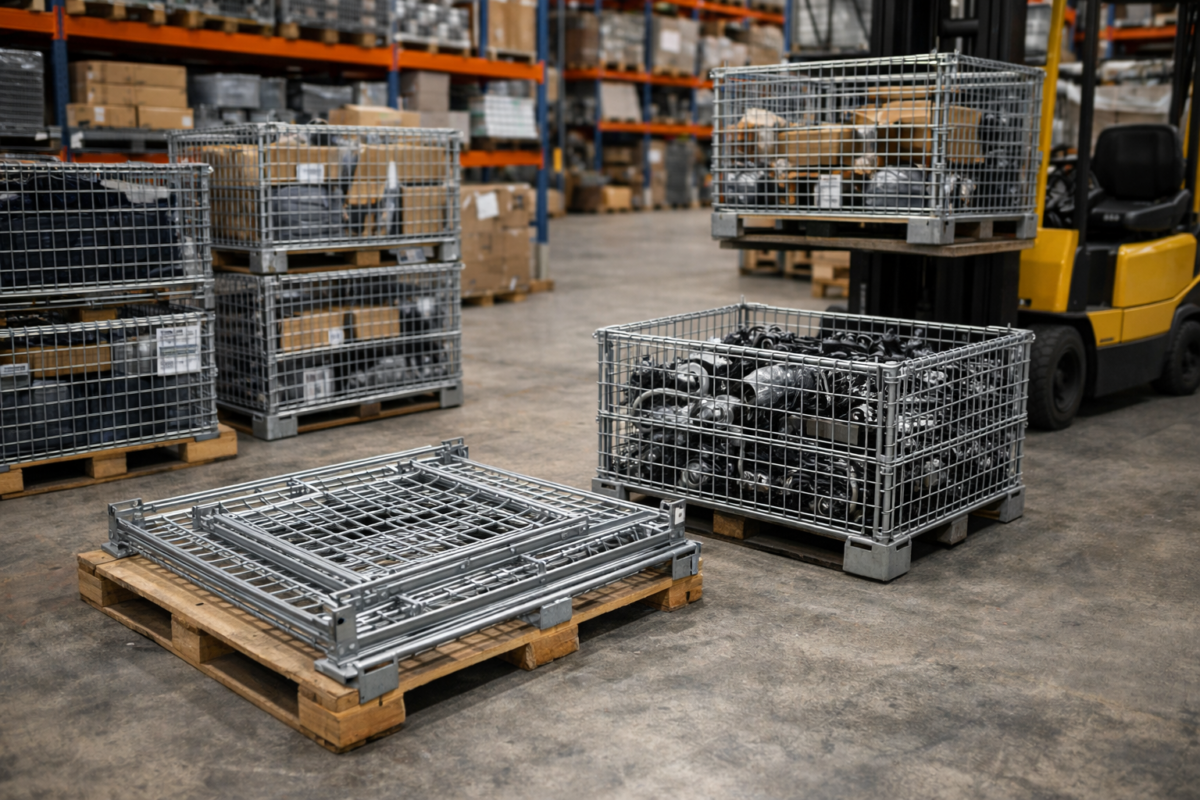
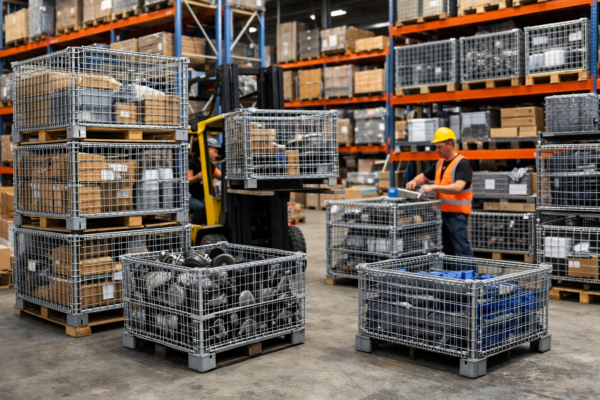
Walk through almost any warehouse or backroom storage, back-of-house retail area, or production floor and you will spot the same thing in multiple corners. Open wire storage that keeps product visible, lets air move, and holds up to daily handling.
Wire baskets are simple, but they solve several problems at once. They help teams see inventory at a glance, support faster picking, and reduce the “mystery bin” issue where parts disappear under lids and labels. When operations are moving fast, being able to look up and confirm what’s inside a container matters.
Core Features That Make Wire Baskets Work
Wire baskets are usually built from welded steel wire and finished with a coating such as powder coat, zinc, or chrome plating. The structure gives you strength without bulk.
For warehouse use, the most valuable core features tend to be:
- Open-grid visibility for quick identification
- Airflow and drainage when moisture, dust, or condensation is a concern
- Stackability and predictable footprints
- Forklift-ready and pallet-compatible options in larger formats
- Durability for repeated handling, loading, and repositioning
A lot of businesses start looking for industrial wire baskets when they are trying to reduce time spent searching, re-counting, or reworking storage areas.
Visibility And Airflow Advantages
Visibility is the headline benefit. Teams can spot low stock without pulling containers down. Supervisors can verify staging areas without opening anything. Inventory checks go quicker because you are not guessing what’s in a closed bin.
Airflow is the underrated win. Wire baskets work well when you need ventilation around product, packaging, or components. They can also help with:
- Drying after wash-down in certain environments
- Reducing trapped moisture around items stored near doors or docks
- Keeping dust from collecting in the same way it does in solid-wall containers
If you store items that can rust, mildew, or clump, airflow can prevent slow damage that shows up later as scrap or customer returns.
Common Uses In Warehouses, Retail, And Production
Wire baskets show up across operations because they flex with different workflows.
Warehousing And Distribution
In distribution centers, wire baskets are used for fast pick areas, kitting, returns processing, and staging. They are also common for parts that come in many SKUs but small quantities. When pickers can see product, they pick faster and make fewer mistakes.
Retail And Back Rooms
Retail teams like wire baskets for overflow stock, seasonal resets, and back-room organization. Visibility helps with replenishment. Open design helps avoid crushing delicate packaging because staff can see the stack and adjust.
Production And Assembly
On production floors, wire baskets are often used for WIP storage, line-side parts, and component staging. They make it easier to confirm counts during shift changes and reduce the risk of mixing similar parts.
Fixed Vs. Collapsible Wire Baskets
Not all wire baskets are the same. Two common categories matter for large facilities.
Fixed Wire Baskets
Fixed baskets keep their shape at all times. They are a good choice when you want maximum rigidity, consistent stacking, and predictable handling. They work well in permanent storage zones or where baskets stay in the same part of the building.
Collapsible Wire Baskets
Collapsible wire baskets, sometimes called collapsible wire containers, fold down when empty. These are popular for return logistics, seasonal storage, and operations with limited space. Folding them reduces the footprint when you are not actively using them.
When choosing between the two, think about your storage cycle. If you routinely have stacks of empty containers, collapsible designs can reduce clutter fast.
Weight Limits And Safety Considerations
Businesses often search “wire basket load capacity” for a reason. Safety and performance come down to rating and real-world handling. A few practical checks:
- Confirm the rated capacity from the supplier, not a guess from appearance
- Consider how the basket will be lifted, pushed, or stacked
- Check the base and corners for bending or weld fatigue
- Look at the coating condition since heavy rust can weaken joints over time
- Plan stack height based on load distribution, not just floor space
If baskets are going into racking, confirm the footprint and clearance. If they are moving with forklifts or pallet jacks, check entry points and stability when turning.
Tips For Sourcing Quality Wire Baskets
If you are buying for a large warehouse, the goal is consistency. Mixed styles and random footprints create headaches for stacking, racking, and standard operating procedures. When searching, you’ll want to look for:
- Uniform dimensions across a batch
- Straight frames and intact welds
- Smooth edges or reinforced top rails for safer handling
- Coatings that are in good shape with minimal flaking
- Supplier notes on prior use, especially if baskets handled heavy parts
Used industrial wire baskets for sale can be a smart buy when condition is verified. For many businesses, the cost savings allow you to standardize more areas of the warehouse without stretching budget.
Practical Guidance For Long-Term Use
Wire baskets last longer when they are treated like equipment, not disposable packaging.
- Assign standard basket sizes to specific zones or product families
- Avoid overloading “just this once” since it usually becomes the new normal
- Rotate heavy-use baskets through inspection during routine safety checks
- Store collapsible units properly so frames do not twist while stacked
Small habits keep wire baskets square, safe, and easy to handle. That pays off in fewer damaged items and fewer slowed-down shifts.
Choosing The Right Source When You’re Ready To Buy
When you’re ready to turn your storage plan into a purchase, keep it simple. Start with the sizes you need most, confirm load requirements, then buy in consistent batches so your team can stack, stage, and move product the same way every time.
Browse Container Exchanger’s current inventory, choose what fits your operation, and get your floor organized without dragging the project out for weeks.