
Business
Smart Shipping Practices for Safer, On-Time Deliveries
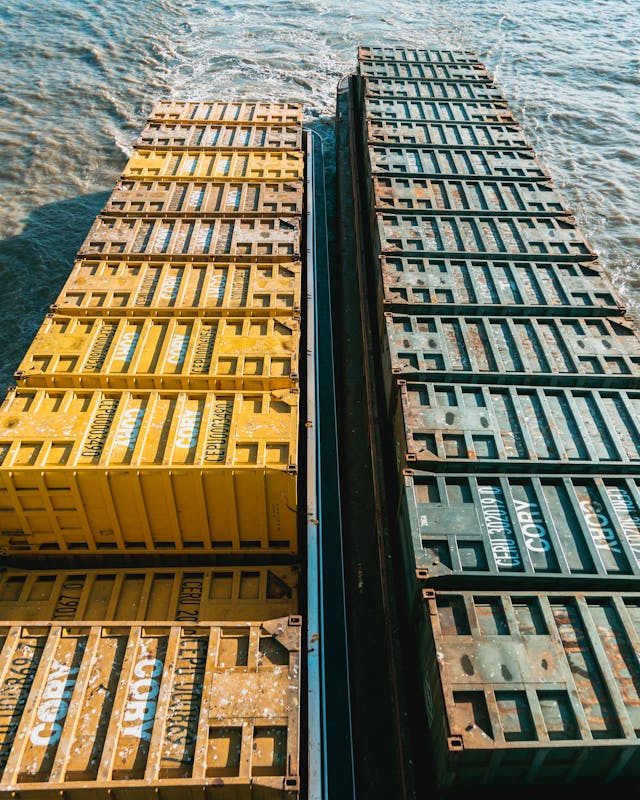
Modern supply chains depend on speed, consistency, and accurate coordination. Customers expect shipments to arrive on time and in good condition, regardless of distance or season. A single delayed delivery can interrupt production schedules, create inventory shortages, and increase operating costs for businesses of any size. Damaged freight creates additional pressure because returns, replacements, and customer complaints often require immediate attention. Businesses also face rising pressure from customers who expect faster shipping updates, shorter delivery windows, and fewer service interruptions throughout the purchasing process.
As shipping networks become more complex, businesses must improve transportation planning, freight handling, and delivery communication. Smart shipping practices help organizations reduce disruptions while maintaining better control over costs and timelines. Strong logistics strategies also support customer retention because clients value dependable service and transparent delivery updates throughout the shipping process.
Understanding the Complexity of Modern Freight Logistics
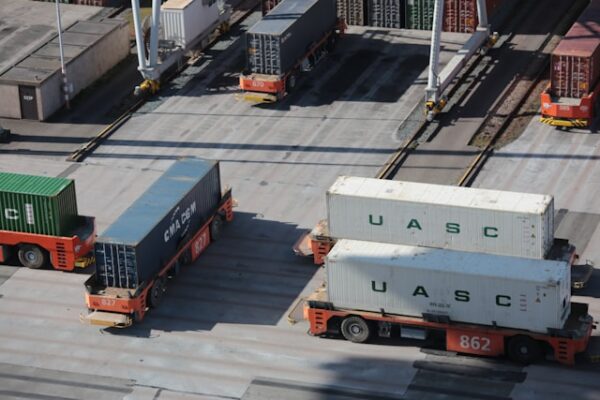
Modern freight operations involve carriers, warehouses, ports, customs requirements, and regional transportation regulations. Coordinating these moving parts requires careful planning and strong communication between every stage of the supply chain. As shipping demands increase, many businesses struggle to maintain delivery accuracy, control transportation costs, and manage carrier relationships internally.
Delays, limited visibility, and inconsistent coordination can quickly disrupt supply chain performance and affect customer satisfaction. To maintain reliable operations while reducing pressure on internal teams, many companies choose to work with an experienced freight shipping company that can manage routing, carrier coordination, and shipment scheduling more efficiently. Professional logistics support also helps businesses respond faster to changing transportation disruptions.
The Importance of Accurate Freight Classification and Documentation
Accurate freight classification plays a major role in controlling shipping costs and preventing avoidable delays. Incorrect shipment details can create billing disputes, inspection issues, and compliance problems that slow transportation timelines. Businesses should verify shipment dimensions, freight weight, and product descriptions before freight leaves the facility.
Shipping paperwork must remain complete and consistent throughout the transportation process. Bills of lading, packing lists, and customs forms all support smoother freight movement across regional and international networks. Companies that prioritize accurate records improve shipment visibility while reducing costly administrative corrections later in the process.
Optimizing Packaging and Palletizing to Reduce Transit Damage
Poor packaging remains one of the leading causes of damaged freight during transportation. Weak materials, unstable pallets, and uneven weight distribution increase the risk of product loss during loading and transit. Businesses should choose packaging materials that match the size and sensitivity of their shipments.
Consistent palletizing standards improve both safety and operational efficiency across the supply chain. Warehouse teams can load and unload freight faster when shipments follow uniform packaging guidelines. Companies that invest in better packaging practices often lower replacement costs and improve customer satisfaction through safer deliveries.
Using Real-Time Tracking and Shipment Visibility Tools
Real-time tracking systems allow businesses to monitor shipments throughout every stage of transportation. These tools provide accurate location updates, estimated arrival times, and alerts when delays occur. Better shipment visibility helps logistics teams respond quickly to route disruptions and communicate more effectively with customers.
Customers increasingly expect clear communication regarding delivery status and shipment timing. Automated updates reduce uncertainty while helping businesses maintain stronger customer relationships during the shipping process. Improved tracking technology strengthens operational efficiency while supporting more dependable delivery performance.
Managing External Shipping Challenges and Seasonal Disruptions
External conditions often affect shipping schedules even when businesses maintain strong internal logistics processes. Severe weather, fuel cost fluctuations, labor shortages, and port congestion can all delay freight movement across regional and international routes. Companies that depend on rigid delivery schedules face higher risks when they fail to prepare for these disruptions in advance.
Businesses can reduce delays by building flexibility into transportation planning and forecasting demand early during peak seasons. Many companies also diversify shipping routes and carrier options to avoid overreliance on a single transportation channel.
Choosing Between LTL and FTL Shipping Strategies
Selecting the right shipping method directly affects transportation costs, delivery speed, and freight handling efficiency. Less-than-truckload shipping works well for smaller shipments because businesses only pay for the space they use. This option helps reduce costs while allowing companies to move freight without waiting for full shipment volumes.
Full Truckload shipping provides advantages for larger shipments that require faster transit times and reduced handling. Since the freight stays on one truck throughout the trip, businesses often experience fewer delays and lower damage risks. Companies should evaluate shipment size, urgency, and product sensitivity before selecting the most effective transportation strategy.
Leveraging Technology and Data for Route Optimization
Technology now plays a central role in improving shipping performance and transportation efficiency. Logistics software and GPS tracking systems help businesses identify faster delivery routes while reducing unnecessary fuel consumption. These systems also improve scheduling accuracy by analyzing traffic patterns, delivery windows, and transportation conditions in real time.
Data analysis helps businesses make stronger long-term logistics decisions. Companies can monitor carrier performance, evaluate shipping trends, and identify areas where delays frequently occur. Better visibility into transportation data allows businesses to improve operational planning while maintaining more reliable delivery schedules.
Building Strong Carrier Relationships for Long-Term Reliability
Reliable carrier relationships support more consistent shipping performance and stronger communication during transportation challenges. Businesses benefit from working with carriers that understand their delivery expectations, freight requirements, and operational priorities. Many companies also find that outsourcing logistics helps reduce internal workload while improving access to experienced transportation professionals and broader carrier networks.
Long-term relationships also help businesses secure better access to transportation capacity during peak shipping seasons. Companies that maintain dependable carrier partnerships often gain stronger pricing flexibility and improved shipment support.
Strengthening Delivery Performance Through Smarter Shipping Practices
Smart shipping practices help businesses improve delivery consistency while controlling transportation costs and reducing operational risks. Accurate documentation, effective packaging, real-time tracking, and strategic route planning all contribute to safer and more dependable freight movement.
Reliable shipping performance also supports long-term business growth. Customers are more likely to remain loyal when deliveries arrive on time and without damage. Companies that invest in proactive logistics strategies position themselves for stronger retention, improved scalability, and healthier financial performance across competitive markets.
I run a small Etsy shop from my garage and this article absolutely hit home. Last month a pallet of ceramic mugs arrived shattered because the carrier repalletized everything mid-route without warning. I spent an afternoon filing claims and reading Pitney Bowes trying to figure out if better tracking could have caught the rough handling earlier. Since then I’ve switched to sturdier crates and real-time alerts, and I double-check every bill of lading myself. Complaints have dropped to almost zero. Reliable shipping really is everything when you’re building trust one box at a time.