
Health and Wellness
Foods That Can Stain Your Teeth
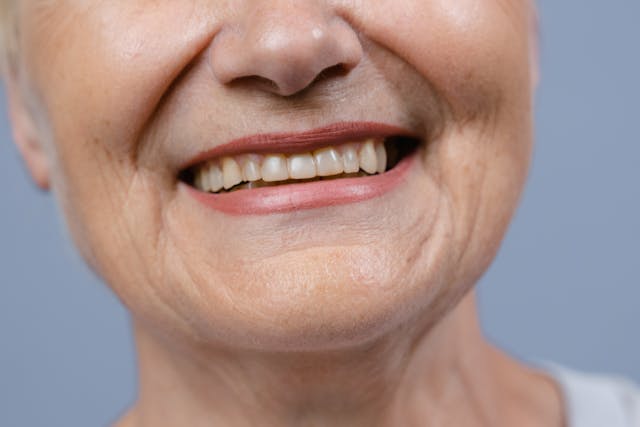
People in Cherry Creek, Colorado, spend a lot on skincare, fitness, and self-care, yet many overlook one everyday habit that affects their appearance almost immediately: the foods and drinks they consume. Tooth stains often build slowly, so most people do not notice the change until their smile starts looking dull in photos or under bright lighting. Coffee during the morning commute, a glass of red wine at dinner, or even healthy smoothies can gradually darken enamel over time.
Many stains settle on the surface of the teeth, while others sink deeper into the enamel and become harder to remove with regular brushing. The good news is that most staining comes from common habits that people can manage once they understand what causes the problem. Knowing which foods affect your teeth helps you make smarter choices without completely changing your routine.
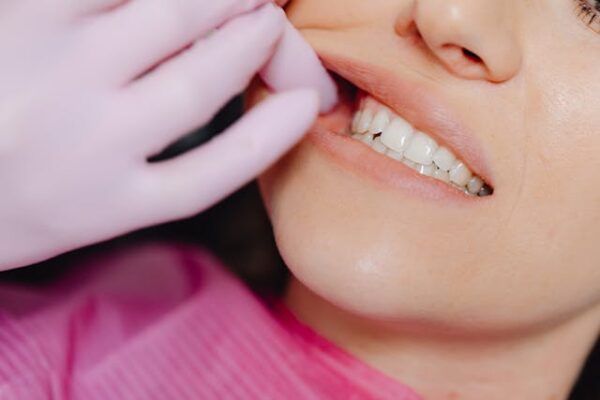
Morning Coffee Leaves Lasting Marks
Coffee remains one of the biggest causes of tooth stains because people drink it every single day, sometimes multiple times a day. Dark coffee contains tannins, which are natural compounds that stick to enamel and leave behind yellow or brown discoloration. The longer coffee stays on the teeth, the stronger those stains become. Slow sipping during work hours keeps the teeth exposed for extended periods, which makes staining worse.
Hot coffee can also dry out the mouth slightly, reducing saliva flow and making it harder for the mouth to clean itself naturally. Adding sugar and flavored syrups creates another issue because they encourage plaque buildup along the gumline. Drinking water after coffee helps rinse away pigments before they settle deeply into the enamel. Regular cleanings also help reduce buildup that brushing alone may miss. Some people dealing with stubborn coffee stains consider professional options like teeth whitening in Cherry Creek to achieve a brighter and cleaner-looking smile safely.
Tea Can Darken Teeth Faster Than Expected
Many people believe tea is gentler on teeth than coffee, but darker teas often stain enamel even more noticeably. Black tea contains high levels of tannins that cling strongly to the tooth surface. Green tea and herbal blends can also affect tooth color over time, especially when consumed daily. Some teas leave grayish or yellow tones that develop slowly and become difficult to remove at home.
Tea drinkers often sip gradually throughout the day, which increases exposure to staining compounds. Lemon added to tea can increase enamel wear because acid weakens the outer surface of the teeth. Once enamel softens, pigments settle more easily into small grooves and pores. Rinsing the mouth with water after tea and avoiding brushing immediately afterward can help reduce damage while still allowing people to enjoy their routine comfortably.
Red Wine Creates Deep Surface Stains
Red wine affects teeth in several ways at once, which explains why stains from wine can appear quickly. The deep color pigments attach easily to enamel, while tannins help those pigments stay on the teeth longer. Wine also contains acid that temporarily softens enamel, creating an easier surface for stains to settle into. This combination makes red wine especially tough on bright smiles.
People often notice wine stains around the edges of the teeth first because those areas trap pigments more easily. White wine can also contribute to staining, even though it does not contain dark pigments. Its acidity weakens enamel and increases the chances of stains from other foods and drinks later in the meal. Drinking water between glasses and avoiding long periods of sipping can help reduce visible discoloration over time.
Dark Sauces Leave Hidden Discoloration
Many people focus on drinks when thinking about stained teeth, but sauces often create discoloration quietly over time. Soy sauce, tomato sauce, curry, balsamic vinegar, and barbecue sauce contain concentrated pigments that cling to enamel during meals. These sauces usually combine strong color with acidity, which increases the chances of staining. Frequent exposure matters more than eating these foods once in a while.
Tomato-based sauces can slowly dull the brightness of teeth because acid weakens enamel while dark pigments settle into the surface. Curry may leave yellow tones behind because of turmeric and other spices. Sticky sauces tend to remain on teeth longer, especially when people snack instead of eating full meals. Drinking water during meals and brushing consistently at night helps reduce buildup before stains become more difficult to manage.
Sports Drinks and Soda Wear Down Enamel
Sports drinks and soda do more than stain teeth. Their acid content weakens enamel and makes the tooth surface rougher, which allows pigments to stick more easily. Dark sodas leave brown stains over time because they combine strong coloring with sugar and acid in one drink. Even clear sodas can damage enamel because acidity matters just as much as color when it comes to discoloration.
Many people sip these drinks slowly throughout the day, especially during work, workouts, or long drives. Constant exposure gives teeth very little time to recover between acidic attacks. Energy drinks can create similar problems because many contain citric acid and artificial coloring. Drinking water after soda helps rinse away leftover acids and pigments. Using a straw may also reduce direct contact between the drink and the front teeth.
Smoking Makes Stains Much Harder to Remove
Smoking creates some of the toughest tooth stains dentists treat. Tobacco contains tar and nicotine, both of which darken teeth over time. Nicotine turns yellow when exposed to oxygen, while tar leaves brown discoloration that settles deeply into enamel. These stains usually build gradually, which makes many smokers underestimate how much their smile has changed until comparing older photos.
Smoking also reduces saliva production, leaving the mouth drier and less able to wash away food particles and bacteria naturally. Plaque tends to build faster in smokers, making stains appear darker and more uneven. Coffee, tea, and wine stains often look worse on teeth already affected by tobacco. Professional cleanings help remove surface buildup, though deeper stains may require whitening treatments or cosmetic dental care to improve the appearance of the teeth.
Tooth stains usually develop from small daily habits rather than one specific food or drink. Coffee during the morning commute, soda at lunch, wine at dinner, and frequent snacking can slowly change the color of enamel over time. Acidic foods add another layer to the problem because they weaken enamel and make teeth more vulnerable to discoloration.
Most people can still enjoy their favorite foods without severely staining their teeth. Small changes like drinking more water, reducing constant sipping, and keeping up with regular dental visits help protect enamel and reduce buildup. Paying attention to staining habits early often prevents deeper discoloration later. A brighter smile usually comes from consistent care and smarter everyday choices rather than quick fixes or harsh whitening products.