
Business
How Workplace Temperature Affects Productivity and Performance
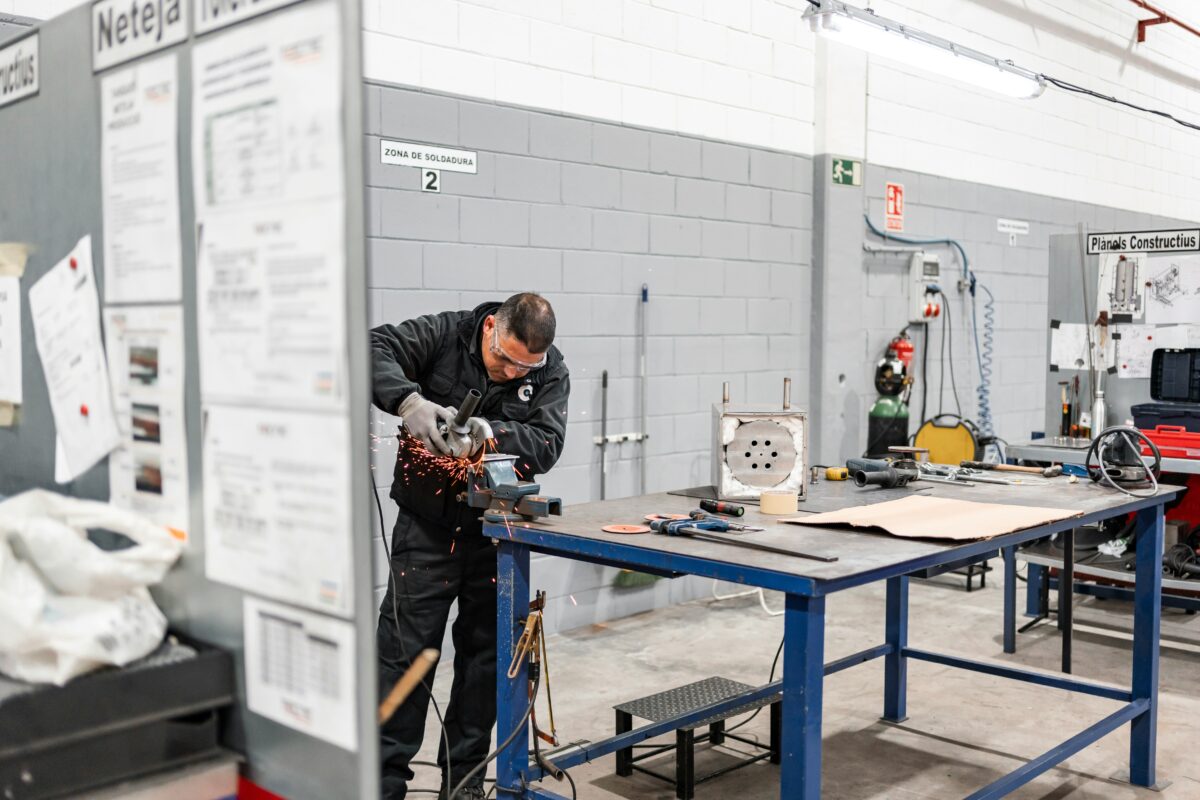
When an office or worksite is uncomfortably cold, it’s more than just a minor annoyance. The temperature of a work environment has a direct and measurable impact on everything from employee morale to the company’s bottom line. Addressing cold conditions isn’t just about comfort; it’s a critical component of maintaining a productive, safe, and efficient operation.

The Real Cost of Cold Workplaces
An uncomfortably cold environment quietly chips away at a business’s efficiency. When employees are cold, they naturally work more slowly. Simple tasks that require manual dexterity become more difficult and time-consuming. Studies have consistently shown a direct link between suboptimal temperatures and a decrease in workers’ productivity. This slowdown isn’t due to a lack of effort but is a physiological response to the cold. Furthermore, cold workers are more prone to making errors, which can lead to wasted materials, compromised quality, and even safety incidents. These hidden costs accumulate over time, impacting profitability far more than the expense of proper heating.
Impact on Health and Focus
Beyond the financial implications, a cold workplace directly affects the health and concentration of your team. The human body expends extra energy just to stay warm, leaving fewer mental resources for complex problem-solving and focus. Research confirms that cold weather reduces productivity by impairing cognitive functions. Employees may find it harder to concentrate, and their creative thinking can be stifled. Physically, prolonged exposure to cold can lead to stiff joints and muscle discomfort. It also puts a strain on the immune system, potentially contributing to more sick days across the team. A chilly environment distracts employees and prevents them from performing at their best.
Creating Optimal Work Temperatures
The first step toward a solution is understanding what “optimal” means. The ideal temperature isn’t a single number but a range that can vary based on the type of work being performed. For sedentary office work, a comfortable temperature is typically higher than for a job that involves physical labor. The goal is to create a thermally comfortable environment where employees aren’t actively thinking about being too hot or too cold. This can involve using smart thermostats, identifying and sealing drafts, and ensuring that heating systems are distributed evenly to avoid hot and cold spots throughout the workspace.
Advanced Heating for Large Spaces
Heating a standard office is one thing, but managing the temperature in large, open environments like warehouses, construction sites, or event tents presents a unique challenge. Conventional HVAC systems are often impractical or inefficient for these spaces. This is where specialized equipment becomes necessary. For instance, flameless heaters are designed to deliver a large volume of clean, breathable warm air without the risks associated with open-flame units. These systems can effectively raise the ambient temperature in a large area, making them ideal for industrial applications where safety and performance are paramount.
Prioritizing Worker Comfort and Safety
Ultimately, creating a warm work environment is about prioritizing the well-being of your people. When employees feel that their basic comfort and safety are taken seriously, morale and loyalty increase significantly. This goes beyond just turning up the thermostat. It includes providing warm break areas, allowing for appropriate cold-weather gear, and having clear communication about how temperature-related issues are handled. A proactive approach to workplace comfort demonstrates that the company values its employees as its most important asset, which fosters a more positive and productive culture for everyone.
Investing in a properly heated work environment is an investment in your people and your business’s success. It reduces errors, boosts focus, and creates a safer, more positive atmosphere where everyone can thrive.