
Finance
How to Calculate Trading Volume in Forex Using Tick Data on MT5
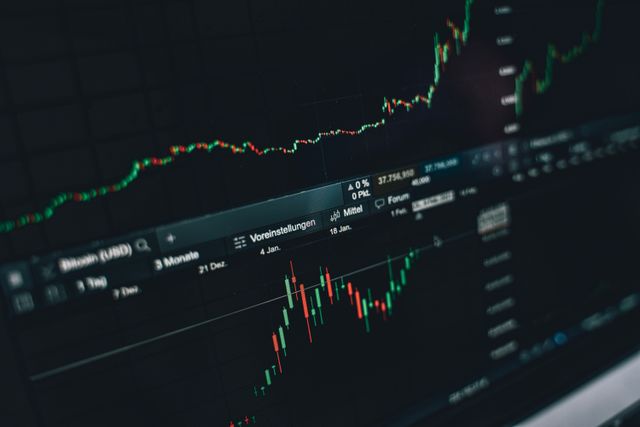
Learning how to calculate trading volume in forex can help you understand the market much better and trade with more confidence.
Forex has no central exchange reporting every trade, which makes volume tricky compared to stocks. Most traders use tick data instead, and learning how to calculate trading volume in forex this way gives you a practical read on market activity, even without perfect numbers. Here’s how it works on MT5.
What Tick Data Means
A tick is one price change. Every time the bid or ask moves, that’s a tick. When learning how to calculate trading volume in forex, tick data becomes your main tool since forex doesn’t report real trade volume like stock exchanges do. More ticks in a period usually means more activity.
How MT5 Shows Volume
MT5 displays tick volume as bars below the price chart. Each bar shows how many price changes occurred during that candle.
If you want to know how to calculate trading volume in forex, simply read the tick volume value for the selected period. You can find more hints by comparing volume bars across different sessions.
Why Tick Volume Isn’t Real Volume
Knowing the difference matters here, since how to calculate trading volume in forex means understanding the limits of your data. Below are the two tips worth understanding:
- Tick volume counts price changes – Every price shift gets logged as one tick regardless of how much money actually moved during that shift.
- Real volume counts actual trades -True volume reflects lots or contracts traded, which forex brokers rarely disclose fully since the market is decentralized.
How to Read Volume Spikes
Reading the histogram correctly makes tick data useful. Take a look at these two patterns:
- Sudden spikes show activity – A tall bar usually means a burst of movement, often tied to news releases or major session overlaps.
- Flat volume shows quiet markets – Low, steady bars suggest calm conditions, which are common during off-peak hours when major centers are closed.
Reading calculate trade volume order forex patterns this way helps you time entries around real activity instead of guessing.
How to Use Volume in Trades
Once you understand tick volume, use it to confirm price moves rather than trading on price alone. This is the practical side of how to calculate trading volume in forex, turning tick counts into decisions. A breakout with rising volume carries more weight than one on quiet conditions.
What the Numbers Actually Mean
The formula for volume of a trade on forex comes down to comparing today’s tick count against the recent average. Higher than usual means real momentum. Lower means the market’s just quiet.
Why Volume Isn’t Measured in Dollars
Traders often ask how USD converts to volume in forex trading, and the honest answer is that tick volume doesn’t measure dollar amounts. It measures price movement frequency, a proxy for market interest instead.
Keeping Your Analysis Realistic
A rough forex chief trading volume calculate method works best when you accept its limits from the start. MT5 can only show you what it can show you, so pairing tick data with other tools like price action or session timing keeps your overall analysis grounded instead of overly reliant on one imperfect number.
Conclusion
Learning how to calculate trading volume in forex through tick data won’t give you exact numbers, but it gives you something almost as useful: a reliable way to judge activity in real time. Pair this with your strategy, and you’ll read price moves with a lot more confidence than guessing ever gave you.