
Technology
How Technology Makes Youth Sports Safer
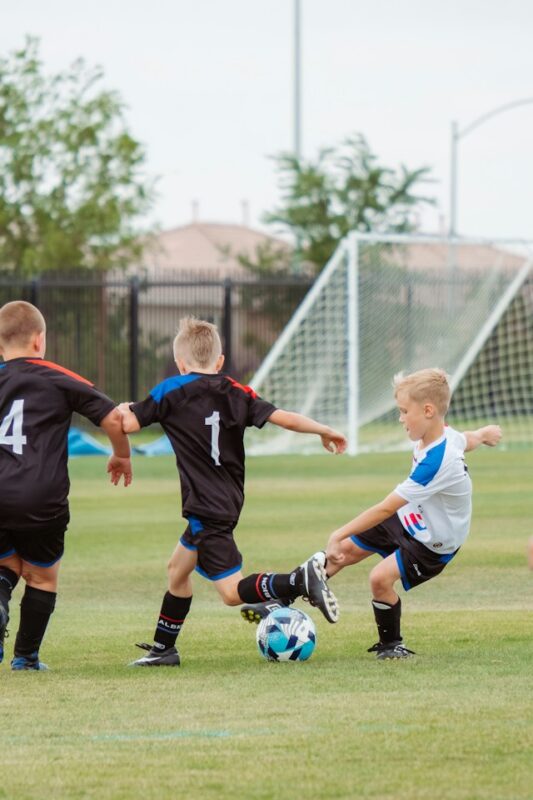
Technology has changed how parents, coaches and equipment makers approach safety in youth sports. Better materials, precise sizing tools and designs that manage impact energy can reduce avoidable risks while helping young athletes move comfortably.
No product can prevent every injury, so equipment works best alongside sound coaching, rule enforcement and proper technique. Understanding what newer safety features actually do helps families choose gear based on evidence instead of marketing language so they can truly enjoy their active time.
Innovations in Protective Gear
Modern protective gear starts with a clearer understanding of how young athletes move, fall and make contact during play. Designers can now use digital models, laboratory testing and data from wearable sensors to identify areas that experience repeated stress. Those findings shape everything from helmet shells to shin guards and padded clothing.
This process has led to lighter products that distribute pressure across a wider area. Less weight can matter for children because heavy equipment may restrict movement or become uncomfortable late in a practice. An athlete who constantly adjusts a loose pad or helmet is also less focused on the activity.
Research into sports equipment innovation shows how computer modeling, sensors and new manufacturing methods are influencing product design. For parents, the practical lesson is to look past appearance and focus on three questions: Does the equipment meet the relevant sport standard? Does it fit the child now? Can its condition be checked easily?
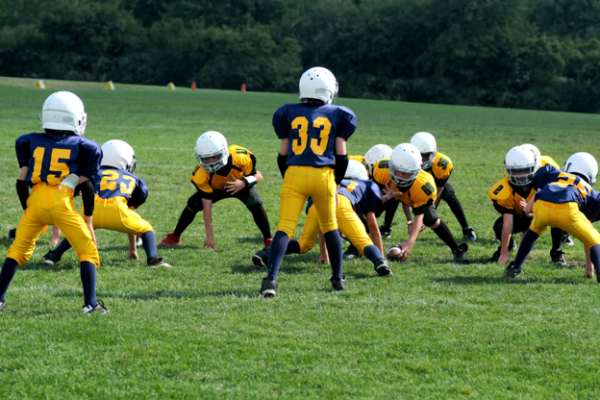
When comparing youth football helmets, families can look for certified designs, adjustable fitment and a weight that the player can wear comfortably during games and practice. Certification should be treated as a starting point. Correct sizing, routine inspections and replacement after damage remain necessary throughout the season.
Advanced Materials Explained
Protective equipment often combines several materials because each layer has a different job. A firm outer shell can spread force over a larger surface, while internal padding compresses to manage energy. Soft comfort liners help stabilize the gear against the body and reduce pressure points.
Engineered foams are common because their cell structures can deform under load. Some foams recover after lower-energy contact, while others are intended to crush or change shape under greater force. Product instructions should explain whether a liner or pad needs replacement after a significant event. If the guidance isn’t clear, contact the manufacturer before the equipment returns to use.
Material science also affects temperature, moisture and weight. The science of sports materials includes polymers designed for flexibility, durability and energy management. These qualities must work together. A highly protective pad offers limited value if it shifts during movement or traps so much heat that the athlete loosens it.
Inspect material condition under bright light once a week during the season. Check for cracks, compressed areas, torn fabric and stiff or brittle sections. Pay close attention to straps and connection points since a small failure there can change how the whole product sits. Cleaning also matters, but use only methods approved by the maker. Harsh chemicals and high heat can weaken some plastics, adhesives and foams.
Smart Fitment Systems
Fit has a direct effect on how protective equipment performs. If a product slides, tilts or rotates during activity, its energy-managing layers may no longer cover the intended area. Young athletes create an extra challenge because growth can change their measurements within a single season.
Adjustable air liners, interchangeable pads, dial systems and multi-position straps give families more control over fit. Some companies also use digital scanning to compare an athlete’s measurements with a product’s internal shape. These tools can improve consistency, though they don’t replace an in-person fit check.
Start with the manufacturer’s sizing method because labels such as small or medium aren’t consistent across brands. Measure the athlete at the time of purchase, then repeat the process every few weeks during periods of rapid growth. Perform the fitting with the same hairstyle, socks or base layers the child will use during play.
Next, ask the athlete to walk, jog, turn and mimic sport-specific motions. The gear should stay in place without creating numbness, sharp pressure or restricted breathing. A secure fit may feel snug, but pain is a warning sign.
Recheck all adjustments before every practice and competition. Children may loosen straps for comfort, trade equipment with teammates or pack gear in ways that disturb its settings. A simple pre-activity check takes less than a minute and can catch a fit problem before play begins.
Impact Absorption Design
Impact absorption involves controlling how force travels through equipment. When padding compresses, it extends the brief period over which the force is delivered and can spread energy across a broader area. Designers may use channels, segmented pads or layers with different densities to manage impacts from several directions.
Laboratory tests help engineers compare designs under repeatable conditions. Drop rigs, mechanical arms and instrumented forms can record acceleration, force and deformation. Coverage of material innovation in youth athletics also highlights how lighter materials and energy-absorbing structures are changing equipment for younger players.
Test results still need careful interpretation. A strong score in one controlled setup doesn’t guarantee protection in every real event. Speed, angle, surface conditions and athlete movement can all change the outcome. Parents should be cautious when a product claims to eliminate injury risk or uses scientific-sounding terms without naming a recognized test standard.
Design details deserve a close look during shopping. Check whether protective layers cover the areas exposed during that sport and whether gaps appear when the athlete bends or turns. Confirm that vents, seams and fasteners don’t create uncomfortable pressure points. After an impact, inspect the equipment for dents, cracks, loose hardware or padding that no longer returns to its normal shape. Remove any questionable item from use until a qualified equipment manager, retailer or manufacturer can evaluate it.
Beyond Helmet Technology
Safer youth sports depend on more than one category of equipment. Sensor-equipped mouthguards, shoe inserts and clothing can record motion or workload, giving coaches another way to spot patterns. Video tools may help staff review technique, while digital scheduling systems can track rest days and practice volume.
Technology used at major competitions often reaches community sports in simpler forms. Examples of technology in elite athletics include performance tracking, advanced timing and data analysis. Youth programs don’t need an expensive analytics department to benefit from the same basic idea: useful data should lead to a clear action.
A workload tracker, for example, may show that an athlete’s running volume increased sharply over one week. Coaches can use that signal to adjust drills or add recovery time. A phone video can reveal repeated landing mechanics that deserve attention from a trained coach. Environmental sensors can also help staff monitor heat and modify the length or intensity of outdoor sessions.
Privacy and accuracy require equal attention. Parents should ask what a device records, who can access the information and how long the company stores it. Consumer wearables may estimate movement differently, so one unusual number shouldn’t drive a health decision. Persistent pain, dizziness or changes in behavior call for evaluation by an appropriate health professional, regardless of what an app reports.
Technology supports good judgment, but it can’t replace attentive adults. Before the next season begins, inspect every item with the athlete present and complete a full fit check. That short session can reveal growth-related sizing changes, worn materials and uncomfortable pressure points before the first practice.
Mental well-being is influenced by daily habits, relationships, and how people respond to stress. How to improve mental health https://black-love-therapy.com/ often starts with regular exercise, enough sleep, balanced meals, and time for enjoyable activities. Staying connected with supportive people can also help. When emotional difficulties become overwhelming, professional guidance may provide useful tools for managing challenges and maintaining a healthier, more balanced lifestyle.