
Health and Wellness
What Veneers Actually Change in Your Smile—and What They Don’t
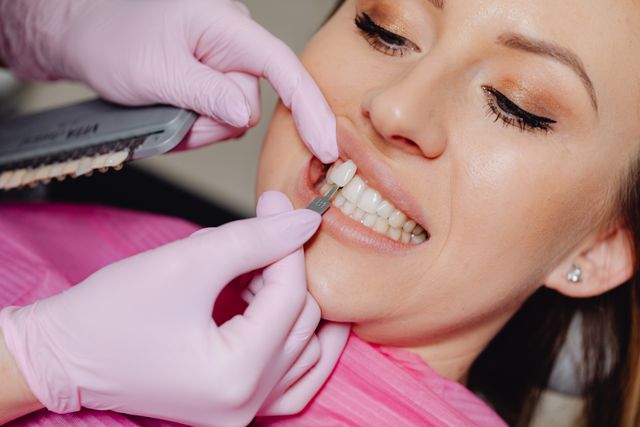
If you’re thinking about changing your smile, veneers probably show up early in your search. They’re popular, visible, and often misunderstood. In a city like San Diego, where cosmetic dentistry is common and appearance can feel tied to confidence, it helps to know what veneers really do before you book a consultation. You need the practical side, not just the polished before-and-after photos.
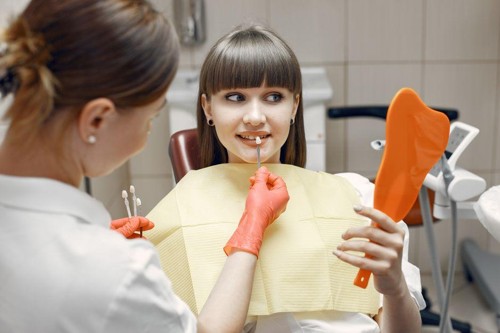
Veneers are a design choice, not a universal fix
Veneers are thin shells, usually made from porcelain or composite resin, bonded to the front of teeth. They’re used to improve shape, color, minor spacing, and some surface-level wear. That sounds simple, but veneers aren’t a cure-all.
If you have active gum disease, untreated decay, enamel erosion, or a bite issue that puts too much pressure on certain teeth, veneers may not be the first move. A good cosmetic dentist looks at occlusion, enamel condition, and long-term stability before talking aesthetics.
You should think of veneers as part of a treatment plan, not a shortcut. They can dramatically improve how your smile looks, but only when the foundation underneath is healthy enough to support them.
The best candidates usually want refinement, not reinvention
A lot of people imagine veneers as a total smile replacement. In real life, the strongest results often come from small, precise adjustments. Slightly uneven front teeth, discoloration that whitening can’t lift, chipped edges, or narrow gaps tend to respond well.
That’s one reason many people looking into veneers in San Diego start with a conversation about what actually bothers them when they smile. Sometimes the issue is one worn tooth. Sometimes it’s a mismatch in size or symmetry that keeps catching your eye in photos.
If your natural tooth structure is mostly sound, veneers can preserve the overall character of your smile while correcting the details that make it look tired or inconsistent.
Tooth preparation matters more than most people realize
One of the biggest differences between a careful veneer case and a rushed one is preparation. Some veneers require removing a small amount of enamel so the final result doesn’t look bulky. Others may be more conservative depending on your anatomy and goals.
This step matters because enamel doesn’t grow back. You want a clinician who explains exactly how much reduction is needed, whether no-prep veneers are realistic, and what trade-offs come with each option. “Minimal prep” sounds appealing, but it isn’t automatically better if it creates overcontoured teeth or gum irritation.
Ask about digital smile design, mock-ups, and provisional restorations. Those tools help you preview length, shape, and phonetics before anything is finalized. Cosmetic work should feel measured, not rushed.
Color is only one part of a natural-looking result
People often focus on getting the whitest possible veneers. That’s understandable, but natural aesthetics depend on more than shade. Surface texture, translucency, edge shape, and how the veneers interact with your lips and face all affect the final look.
Very bright veneers can look flat if they don’t match your age, skin tone, or surrounding teeth. Dentists and ceramists often use layered porcelain to mimic the way natural enamel reflects light. That level of detail separates a believable smile from one that looks obviously dental.
If you only veneer the front few teeth, color matching becomes even more technical. Your existing teeth may need whitening first so the final set blends properly. Good cosmetic planning is less about brightness and more about harmony.
Veneers won’t solve habits that damage teeth
If you grind your teeth at night, chew ice, bite your nails, or use your teeth to open packaging, veneers won’t magically protect you from the consequences. Porcelain is strong, but not indestructible. Composite is even more vulnerable to wear and staining.
This is where real-world maintenance comes in. Many patients need a custom night guard after veneer placement, especially if they have bruxism. That isn’t an upsell; it’s protection for the investment and for the teeth underneath.
You also need realistic expectations about lifespan. Veneers can last many years, but they do age. Bonding can weaken, margins can stain, and gum recession can expose edges over time. Daily habits still shape the outcome long after the procedure is finished.
The consultation should feel detailed, not sales-driven
A smart veneer consultation usually includes photographs, X-rays if needed, a bite evaluation, and a discussion of your dental history. You should leave knowing whether your case needs orthodontics, whitening, gum contouring, or restorative work before veneers even enter the picture.
Pay attention to how the dentist talks about limitations. If every concern gets the same answer, that’s a red flag. Cosmetic dentistry works best when it’s customized. Your smile line, facial proportions, speech patterns, and bite dynamics all influence the plan.
It also helps to ask how many veneers are truly necessary. Some patients need eight or ten for a balanced result. Others may need just two or four. Conservative treatment planning tends to produce stronger long-term outcomes.
Cost conversations should include maintenance and replacement
The price of veneers can vary based on material, lab quality, case complexity, and the number of teeth involved. What often gets ignored is the long-term financial side. Veneers aren’t a one-time event in the way people sometimes assume.
You may need future replacement, occasional polishing, bite guards, or treatment for neighboring teeth that don’t match anymore. Insurance usually treats veneers as cosmetic, which means out-of-pocket costs can be substantial.
That doesn’t make them a bad choice. It means you should evaluate them like any elective procedure: upfront cost, projected lifespan, maintenance demands, and the value of the result in your daily life. If you’re mainly after a brighter smile, whitening or bonding may deserve a serious look first.
A better smile still needs healthy expectations
Veneers can change how your smile looks in photos, conversations, and everyday moments when you catch your reflection. They can also improve confidence for people who’ve spent years hiding chipped, stained, or uneven teeth. That impact is real.
Still, the best outcomes tend to come from practical expectations. Veneers can improve aesthetics, but they won’t make oral hygiene optional or replace structural dental care. They also shouldn’t erase every bit of individuality from your smile.
If you’re considering them, look for a plan that respects your facial features, your bite, and your long-term dental health. A strong veneer case doesn’t just look good on day one. It still makes sense years later, when appearance and function both matter just as much.