
Home Improvement
Smart Homeowner Habits That Prevent Costly Surprises
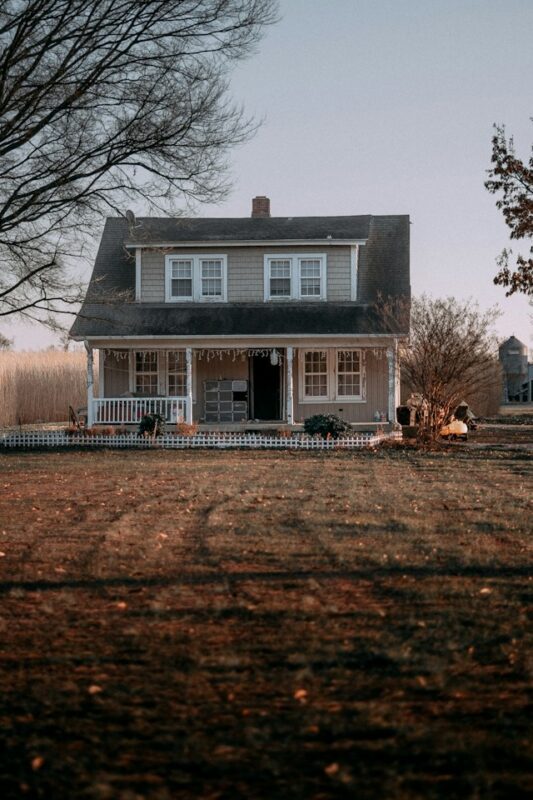
Small household problems become expensive when they stay hidden for weeks or months. A slow drip can damage a cabinet, a clogged gutter can send water toward the foundation, and a strained motor can fail without much warning. Smart homeowner habits create a simple early-warning system for these issues. You don’t need advanced skills or hours of free time. A realistic maintenance schedule, regular visual checks, and a dedicated repair fund can help you handle issues before they disrupt your household budget.
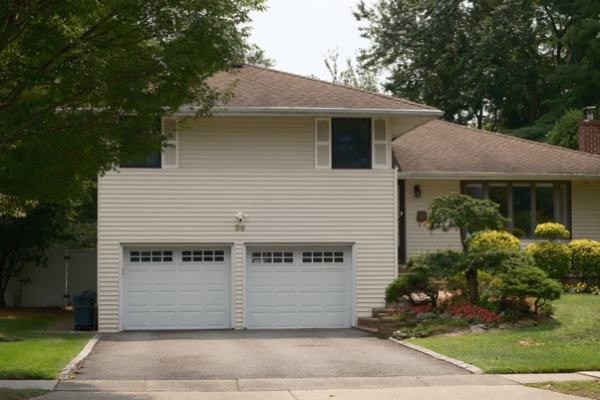
Prioritize Preventative Upkeep
Create a recurring checklist based on how often each area needs attention. Test smoke and carbon monoxide alarms monthly, inspect plumbing connections every few months, and clean gutters at least twice a year. A preventative home maintenance guide offers a useful overview of tasks that protect major home systems.
Keep the schedule somewhere visible, such as a shared digital calendar. Add reminders for replacing HVAC filters, checking exterior caulk, and looking for loose roof shingles from the ground. Record the date when you complete each job. That history helps you spot recurring problems and gives contractors useful context if repairs become necessary.
Catch Heavy Mechanical Wear Early
Pay attention to changes in sound, speed, and movement around mechanical systems. An HVAC unit that starts rattling, a refrigerator that runs constantly, or a garage door that moves unevenly may be under strain. Those changes often appear before a full breakdown.
For a garage door, watch for frayed cables, sagging sections, or delayed movement. Stay clear of moving components, and don’t try to adjust high-tension parts yourself. If the door jerks, gets stuck, or no longer closes evenly, scheduling professional garage door repair will address the underlying fault safely.
Apply the same habit elsewhere. Note unusual cycling from the water heater and listen for grinding in exhaust fans. A quick phone video can document the sound or movement for a service technician.
Audit Seasonal Energy Losses
Walk through your home at the start of each heating and cooling season. Check for drafts around windows, exterior doors, and attic access points. Look for gaps in weatherstripping, cracked caulk, and sunlight showing around frames. Small air leaks can make rooms uncomfortable and force heating or cooling equipment to run longer.
Review utility bills against the same months from the previous year, accounting for major weather differences. A sudden increase may point to a failing appliance, duct leak, or insulation problem. Simple home maintenance habits can also keep small defects from growing into costly repairs.
Use removable caulk or new weatherstripping for accessible gaps. If one room remains noticeably hotter or colder, ask an energy professional to check insulation and airflow.
Build an Emergency Repair Buffer
Set up a savings category for urgent home repairs only. Start with a manageable automatic transfer on payday, even if it’s $25 or $50. The first target might cover a service call and minor repair. From there, build toward an amount that could handle a failed appliance or plumbing emergency without relying on high-interest credit.
Keep basic records for major systems, including installation dates, model numbers, warranties, and past invoices. Age doesn’t predict the exact day something will fail, but it helps you plan for replacement windows. Get two or three estimates for nonurgent work and ask what each quote includes.
A dated photo of each model label takes seconds to save. When something stops working, that small record can shorten the service call and help you get an accurate replacement part faster.