
Furniture
Questions to Ask Before Choosing Window Furnishings for a Perth Home
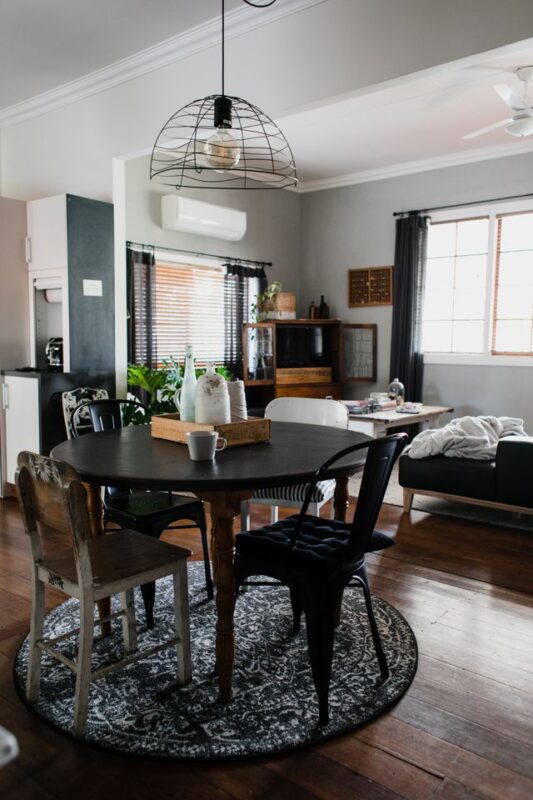
Perth’s long, hot summers and high UV levels mean window furnishings do a job here that goes well past decoration. The gap between a blind that looks good in a showroom and one that keeps a west-facing living room bearable in January usually comes down to what you ask before buying. A short list of direct questions will tell you most of what you need to know about the product and the people supplying it.
Does the fabric block heat, or only light?
Glass admits visible light and solar heat together, and a fabric can block one while letting most of the other straight through. A blockout blind stops light passing through the fabric itself, though some light can still slip in around the blind’s edges, and without a heat-reducing backing or a light-colored surface facing the glass, the room can still feel uncomfortably warm by mid-afternoon. Sunscreen fabrics work the other way, cutting daytime glare while keeping the view, which is why many homes use blockout in bedrooms and sunscreen in living areas. The two fabrics solve different problems, so ask the supplier to explain each fabric’s solar performance in plain terms. Opacity alone won’t tell you how the room will feel, and that answer determines how hard your cooling system has to work once the afternoon sun arrives.
How will it cope with Perth’s sun and wind?
Perth’s UV levels are hard on materials, and a fabric that looks rich in the showroom can fade or turn brittle within a few summers if it was never designed for those conditions. Indoor fabrics should come with a clear guarantee against fading, so ask for that in writing. A verbal assurance is hard to enforce later. Outdoor blinds and awnings work by stopping heat before it reaches the glass, which makes them especially useful over windows that open onto entertaining areas. They sit outside, so they need to be rated for both UV exposure and wind, and a supplier should be able to state those ratings without hesitation. Roller shutters are worth raising in the same conversation, since they block heat at the window itself and add a layer of security. Asking about all of these early saves you from paying twice for the same window.
Is the supplier genuinely based in Perth?
A blind that arrives even slightly the wrong size leaves light gaps at the edges, and those gaps admit glare and heat, so accurate measuring matters as much as fabric choice. A supplier that is genuinely based in Perth can measure on-site and manufacture to those exact dimensions, with local building styles and afternoon sun angles factored in. Lead times tend to shorten when the product is made locally instead of shipped from elsewhere, and any adjustment after installation is far easier to arrange. When you interview suppliers, ask whether the business does its own measuring and manufacturing, and whether installation is handled in-house. The answers will tell you whether you are dealing with a local maker or a reseller. While preparing your questions, you can consult the page at Asterex Window Furnishings for a sense of what to ask.
How will you operate it day to day?
Operation sounds like a small detail until you live with the result, so ask to see the manual, cordless and motorized options, including any that connect to a smart-home system. Try each one in the showroom. A manual chain, a cordless lift and a motorized blind all feel different in the hand, and the ease of that daily action matters more than the feature list. Motorized blinds add a different kind of convenience: they can be scheduled to lower as the afternoon sun hits a west-facing window, even when nobody is home. Privacy belongs in this conversation too, since light-filtering fabrics can give you daytime privacy in street-facing rooms, though how much they shield depends on the light outside and the particular fabric you choose. Test each operating option before you decide, and pick the one you’ll actually use every day.
What do the warranty and care terms say?
A display sample shows you how a fabric looks on day one and tells you almost nothing about year five. The paperwork is where you find out about real quality. Ask for the warranty in writing and check that it covers the fabric and the mechanism. A long fabric warranty paired with a short mechanism warranty shows you where the supplier’s confidence ends. Cleaning and maintenance guidelines matter as well, since a product that needs specialist attention will cost more to live with than one that wipes down with a damp cloth. After-sales support matters too. A supplier willing to return and adjust a track is treating the sale as the start of the relationship, not the end of it.
None of these questions require technical knowledge, and a good supplier will welcome every one of them. Bring the list to your first consultation, compare the answers across two or three businesses, and the right choice for your home usually becomes clear.