
Furniture
Simple Furniture Restorations That Save Serious Money
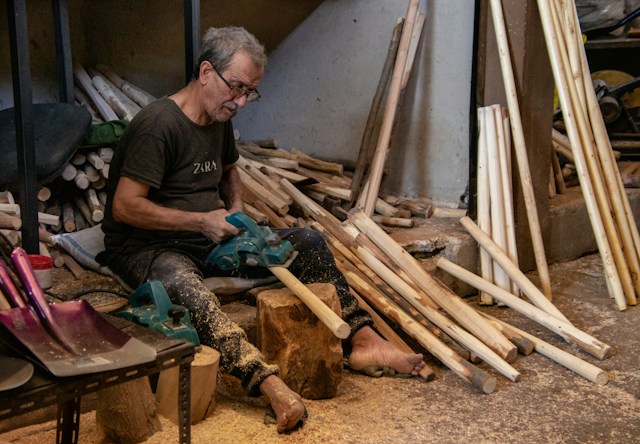
A scratched table, sagging chair or flattened sofa often has years of useful life left. Simple furniture restoration can correct the worn part without forcing you to replace the entire piece. The work may involve tightening a joint, refreshing a finish or replacing cushion foam, and many of these projects require only basic tools. Before shopping for something new, take a closer look at what you already own and compare the true costs.
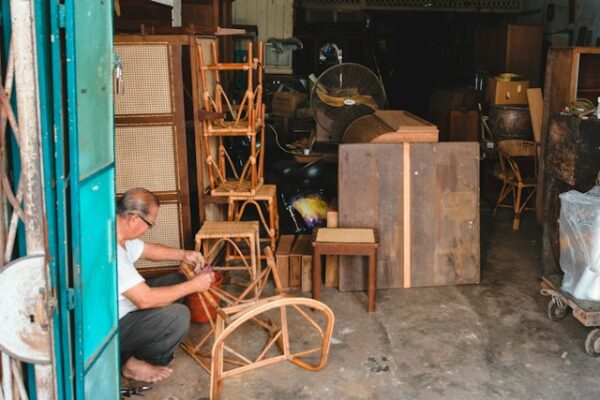
The High Cost of Fast Furniture
Low-priced furniture can seem economical at checkout, but frequent replacement changes the math. A $300 sofa that lasts four years costs $75 per year before delivery fees or disposal costs. A well-built older sofa purchased for $500 and refreshed for $250 may remain useful for another decade, bringing its annual cost down to $75 and potentially lower if it lasts longer.
The cost of fast furniture also includes the time spent shopping, assembling new items and arranging removal. Restoration lets you preserve a piece that already fits your room. Start with furniture that has a solid frame, comfortable proportions and a style you still enjoy. Cosmetic wear is usually easier to fix than poor construction.
Inspecting Joinery and Wood Frames
Check the structure before spending money on fabric, foam or finishing supplies. Gently rock tables and chairs to locate loose joints, then look underneath for cracked rails, missing screws or sections held together mainly with staples. Drawers should slide without twisting, while sofa and chair frames should feel firm when you press on each corner.
A basic guide to furniture restoration tools can help you identify useful supplies before starting. Wood glue, clamps and correctly sized screws handle many minor repairs. If the frame is sound and the main problem is sagging seating, measure the existing inserts before ordering replacement foam for an upholstery project. Record length, width and depth at several points, since older cushions may have compressed unevenly.
Avoid refinishing valuable antiques until a professional has assessed them. Removing an original finish can reduce historical and financial value.
Upgrading Tired Padding and Upholstery
Flattened padding can make a sturdy sofa feel worn out long before its frame fails. Remove one cushion cover and inspect the insert. Foam that stays dented, crumbles at the edges or no longer fills the cover is ready for replacement. If the foam remains supportive, a layer of batting may restore a fuller shape at a lower cost. For another example of how quality foam can improve seating comfort, take a look at this orthopedic seat cushion and its supportive memory foam design.
Take photos as you disassemble dining chair seats or removable panels. Label each piece of fabric and keep screws in a small container so reassembly stays manageable. When replacing fabric, add enough material to wrap around the underside and pull it evenly from the center toward each corner. Check patterns and stripes before fastening anything permanently.
Large tears, fixed backs and deeply tufted designs may justify professional help. You can still reduce the bill by handling removal, cleaning or cushion replacement yourself after asking which tasks the upholsterer recommends.
Calculating Your Long-Term Savings
Write down every expected cost before starting, including materials, tools, delivery and professional labor. Then compare that figure with the full replacement price, including shipping, assembly and disposal. A $900 replacement chair may be less appealing when new padding, fabric and minor frame repairs total $280.
Factor in expected lifespan as well. If a $280 restoration adds seven years of service, the cost works out to $40 per year. A $450 replacement that lasts three years costs $150 per year. Keep tool purchases separate when you expect to use them again, since a clamp or staple remover can support several future projects.
Set a spending limit before removing fabric or sanding wood. For an ordinary piece, restoration makes the most sense when the structure is solid and the finished cost stays comfortably below a comparable replacement. Once that old chair feels firm and supportive again, its remaining scratches may look more like character than damage.