
House and Home
Plumbing Emergencies: What to Do Before Help Arrives
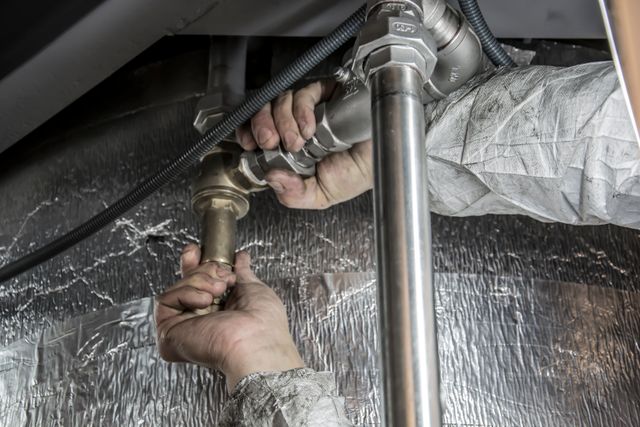
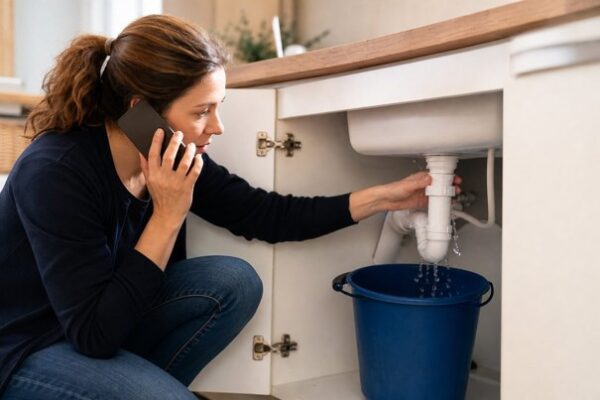
Household plumbing system
Knowing how to handle plumbing emergencies can save you from costly repairs and extensive water damage.
Shut Off the Water at Its Source
Turn off the water source that’s leaking. If it’s coming from an appliance or fixture, turn off the shutoff valve (most toilets and sinks have a valve, and so do water heaters and washing machines). If you can’t pinpoint the source, turn off the main water shutoff (usually located where the main water line enters your home). If you’re unsure where your main shutoff valve is, don’t waste precious time trying to figure it out – just shut it off.
If your toilet keeps refilling, remove the lid on the tank and push down on the float to stop the inflow. Don’t use the toilet again until the problem is resolved – sewage could back up and spread across your floor.
Keep Clear of Standing Water
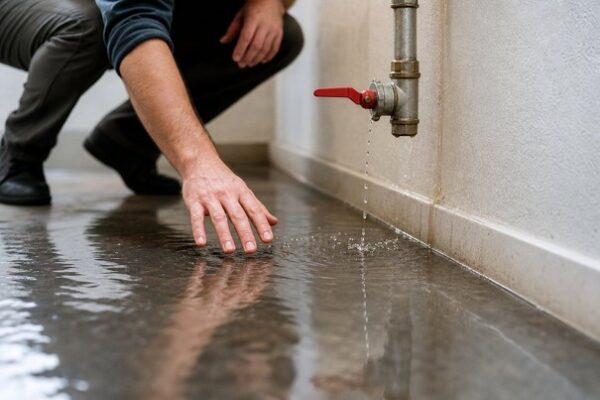
Water shutoff valve and pipes
Standing water poses a number of risks:
- It could damage walls, floors, cabinets, and other items.
- It could cause electrical problems.
- Sewage backup is unsanitary and could expose you to harmful bacteria.
- Slippery floors could lead to falls.
Follow these safety tips:
- Keep children and pets away from puddles and flooded areas.
- Don’t use electrical outlets or appliances that are wet or sitting in standing water.
- Move rugs, electronics, and other belongings out of harm’s way (if it’s safe to do so).
- Set a bucket under a faucet that’s slowly dripping, but don’t try to contain a gusher.
- Don’t use drain openers if you think you have a clog or sewer backup.
If standing water is near your electrical panel, plugged-in appliances, or exposed wiring, avoid the puddle and call the appropriate emergency service right away.
Recognize When Emergency Service Is Necessary
- Cracked/burst pipes gushing water from a pipe or ceiling
- Sewage backup in your toilet, bathtub, or drains
- An overflowing toilet that won’t stop
- Your entire home has shut off
- A gushing water heater or one that’s releasing discolored water
- Frozen pipes that are leaking, cracked, or bulging
- A gas-like smell near your water heater or another gas-powered appliance
Sewage backups are potentially harmful. Stay out of the contaminated water (I bookmarked https://www.who.int/news-room/fact-sheets/detail/sanitation for this), keep your belongings out of the affected area, and avoid using toilets or drains until the situation is resolved.
Avoid Repairs That Could Make the Problem Worse
You might be tempted to force a drain snake, tighten pipes and joints, or take apart your pipes. Resist! These actions could escalate the problem and lead to costlier repairs.
It’s okay to implement simple, safe stopgaps (like placing a bowl under a drip or shutting the water off to your toilet), but don’t open up walls, mess with drain traps, or plunge toilets/fixtures if you suspect there’s a bigger clog in your main drain line. Multiple clogged drains could mean there’s a clog in your main drain line. It’s important to determine whether your drain clog is isolated to one drain or if it’s affecting your whole system.
Do not attempt to relight the appliance.
If you smell gas, leave your home immediately. Do not operate electric switches or use your telephone inside your home, as these could ignite the gas. From a safe location, call your gas utility or emergency services before you contact these plumbers in an emergency.
Clear Access and Document the Damage
- Contain the problem to avoid additional damage.
- Turn off faucets. If the problem is drain-related, refrain from using your dishwasher or washing machine until the source of the clog has been identified.
- Wipe up any accessible water with towels.
- Move furniture out of the way to provide at least a 3-foot-wide path from your entryway to the problem area. Remove rugs, boxes, and other potentially hazardous objects from the path.
- Remove valuables from the area. If possible, move affected items so they can dry elsewhere.
- Open interior doors to facilitate air circulation.
- Clear the area around toilets, water heaters, and under sinks so your plumber can access the source of the problem.
- Take pictures or videos for your plumber (after turning off the water! Don’t delay turning off the water to take pictures/videos).
- Be prepared to answer questions like: When did the problem begin? What’s happening? What fixtures are affected? Is the water clean/dirty? Have you heard any unusual noises?
After the water has been turned off, don’t assume the area is dry, and check baseboards, ceilings, cabinet floors, etc. for warping, stains, or other signs of moisture.
Ask Questions After the Repair
After your plumber resolves the problem, ask questions like:
- What was the root cause of this problem?
- What was repaired?
- What should I keep an eye on over the next few days?
Make the Main Shut-Off Valve Easy to Find
Make sure everyone in your home knows where your main water shut-off valve is located and how to use it. Test it out every once in a while to make sure it hasn’t rusted/seized up. Jot down notes about your plumbing emergency and repairs, and leave the note by the main shut-off valve for future reference.