
Business
How Creative Makers Are Taking Pop-Up Shops on the Road
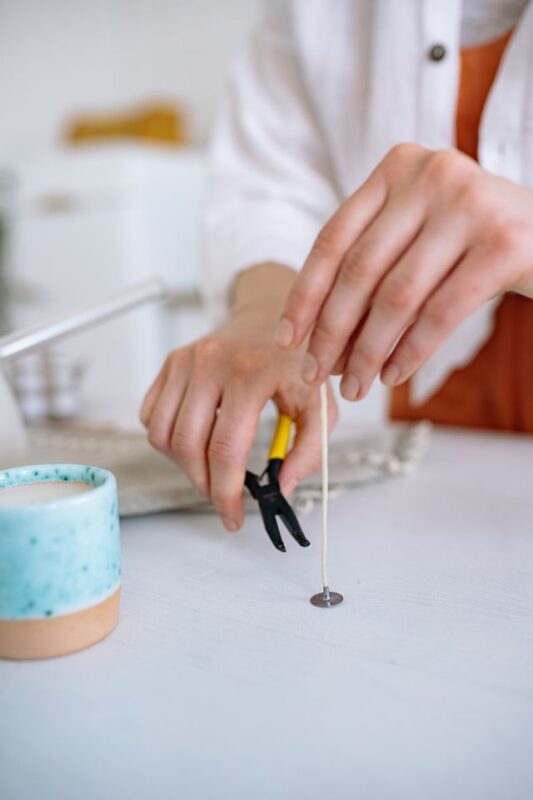
A mobile pop-up shop gives creative makers a practical way to meet customers without committing to a permanent storefront. The format works well for artists, candle makers, clothing designers and other small brands that sell products people enjoy seeing in person. It also lets you test several markets, learn which events produce strong sales and build local awareness.
Success on the road depends on more than packing a table and accepting payments. Your transport, display system, permits and follow-up strategy all need to support a smooth customer experience.
The Rise of Itinerant Retail
Pop-up retail has become a flexible middle ground between online selling and a traditional store lease. Makers can appear at community festivals, craft fairs and seasonal markets, then return to online operations after the event. This model limits fixed overhead while giving customers a chance to touch products, ask questions and meet the person behind the brand.
The best events also offer useful market research. Track sales by product, price and location to identify patterns. If small ceramic planters sell quickly at garden festivals but larger pieces perform better at design markets, future inventory decisions become easier. These creative pop-up ideas can also help you plan workshops, themed displays and limited product releases.
Designing Displays for Rapid Assembly
Build a display that one or two people can unload and assemble in about 30 minutes. Folding shelves, nesting crates and lightweight panels reduce setup time while giving products a finished presentation. Label each container according to its setup order, then photograph the completed booth so helpers can recreate it without constant direction.
Consistent colors and clear signs make a temporary shop feel established. Good retail display design guides attention through product height, spacing and focal points. Place popular items between waist and eye level, keep prices visible and leave enough open space for visitors to browse without bumping the display. Test the full arrangement at home before your first event.
Protecting Handcrafted Inventory in Transit
Choose transportation based on your inventory volume, product fragility and event schedule. A maker attending several markets each month may need more organized cargo space than a car provides. When comparing enclosed trailers for sale, measure packed display components and inventory bins first. Allow room for straps, padding and access to items needed early in setup.
Pack products by weight and sensitivity. Heavy boxes belong low and near the center, while delicate items need fitted dividers or padded containers. Use nonslip mats under bins and secure tall fixtures so they can’t shift during travel. Keep a simple loading diagram inside the cargo area. That visual reminder helps every item return to the same location after a long event day.
Navigating Event Permits and Locations
Contact event organizers before paying a vendor fee and ask exactly what the registration includes. Requirements vary by city, venue and event type. You may need a temporary vendor permit, sales tax registration or proof of business insurance. Food and personal care products can involve extra rules, so confirm requirements with the relevant local office.
Location matters inside the event too. Ask for a vendor map and learn where entrances, activity areas and restrooms will be placed. A booth near steady foot traffic may outperform a larger space in a quiet corner. Confirm access times, parking rules and electricity availability in writing. You should also learn the cancellation policy in case severe weather or low registration changes the event schedule.
Turning Event Visitors into Loyal Online Shoppers
Give visitors an easy reason to reconnect after they leave. Display a QR code that leads to a mobile-friendly store, email signup page or product care guide. A small card inside each purchase can include the same link plus a short discount code that’s valid for seven days. Time limits make follow-up measurable without pressuring the customer at the booth.
Keep notes on common questions during each event. If shoppers repeatedly ask how to clean a handmade textile or choose the right size, turn the answer into an email or website guide. Send one useful message soon after the event, then return to your normal communication schedule.
Your mobile shop should get easier to operate each time it travels. After every event, record what sold, what broke and what slowed down setup. Those details will shape a lighter packing list, a clearer display and a better experience at the next stop.