
Product Review
Why Your Living Space Needs Better Sound Boundaries
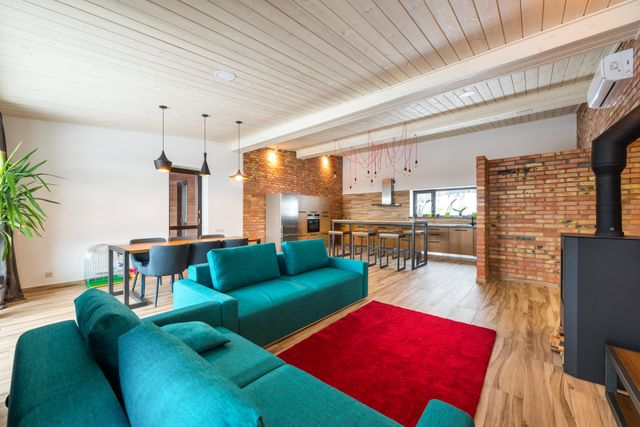
Sound travels easily through an open-plan home, thin interior doors and rooms filled with hard surfaces. Over time, everyday noise from televisions, kitchen appliances and video calls can make it harder to focus or relax.
The effects of noise pollution can include sleep disturbance, irritability and reduced concentration. Creating better sound boundaries helps each room support its intended purpose while making a shared home feel calmer and more comfortable.
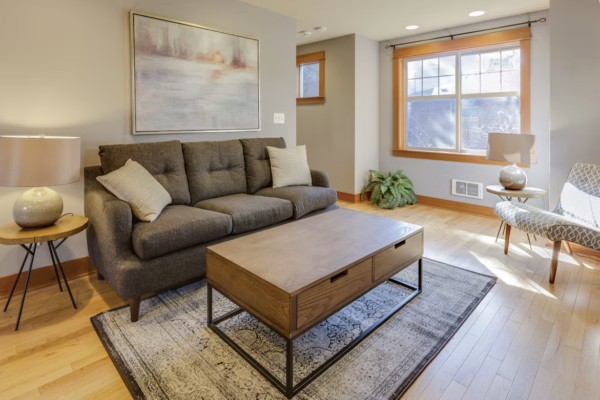
Noise Pollution and Everyday Stress
Household noise doesn’t need to be extremely loud to become tiring. A steady mix of conversations, music and appliance sounds forces your brain to keep filtering background information. This can become especially distracting when one person works from home while someone else watches television nearby.
Start by identifying when and where noise causes the most trouble. You might notice that hallway conversations reach a bedroom or that kitchen sounds interrupt online meetings. Close doors during focused activities, move speakers away from shared walls and place noisy appliances on padded mats. Even simple scheduling can help. Running a washing machine after a meeting or setting quiet hours before bedtime creates a more predictable home environment.
The Acoustic Impact of Solid Core Doors
Interior doors often form the weakest point in a room’s sound boundary. Lightweight hollow doors can allow voices and television audio to pass through easily. Solid core doors contain denser material, which adds mass and reduces the amount of airborne sound moving between spaces.
For a bedroom, nursery or home office, consider replacing the door before changing the entire wall. Check the frame as well, since gaps around the edges can undermine the improvement. A fitted door sweep and perimeter seals can reduce sound leakage without affecting everyday use. Trade professionals and DIY enthusiasts can compare internal doors and related home improvement supplies through JJ Building Materials. Before ordering, measure the opening at several points and confirm the door thickness, swing direction and hardware requirements.
Absorbing Echoes with Layered Textures
Hard floors, bare walls and large windows reflect sound back into a room. This creates echoes that make conversations seem louder and can give music or television audio a harsh quality. Adding soft materials increases sound absorption, helping the room feel quieter without major construction.
Begin with the largest reflective areas. A thick rug with a quality underlay can soften a living room with wood or tile flooring. Full-length curtains help around windows, while upholstered seating and fabric lampshades add smaller layers of texture. Bookcases also break up sound reflections, especially when shelves contain items of different sizes. You don’t need to cover every surface. Aim for a balanced mix of soft furnishings and practical decor so the room still feels bright and uncluttered.
Establishing Functional Zones for Rest
Room layout can create useful sound boundaries even when walls and doors can’t be added. Place quiet zones away from televisions, kitchen counters and busy walkways. In a studio apartment, for example, a tall bookcase can separate a sleeping area from the main living space while providing storage.
Think about the direction of sound as you arrange furniture. Face speakers toward an interior wall and keep desks away from shared entertainment areas. A folding screen with a fabric surface can provide modest sound control for calls or study sessions. Families may also benefit from agreed activity zones, such as keeping video calls at one desk and children’s projects at the dining table. Clear zones reduce competing noise and make it easier for everyone to follow the household routine.
Better sound boundaries come from treating doors, furnishings and room layout as parts of the same system. Once the noisiest pathway has been identified, addressing that single weak point can make a bedroom easier to sleep in or turn a distracting corner into a practical workspace.