
Business
Why Boutique Owners Are Expanding Into Custom Shoes
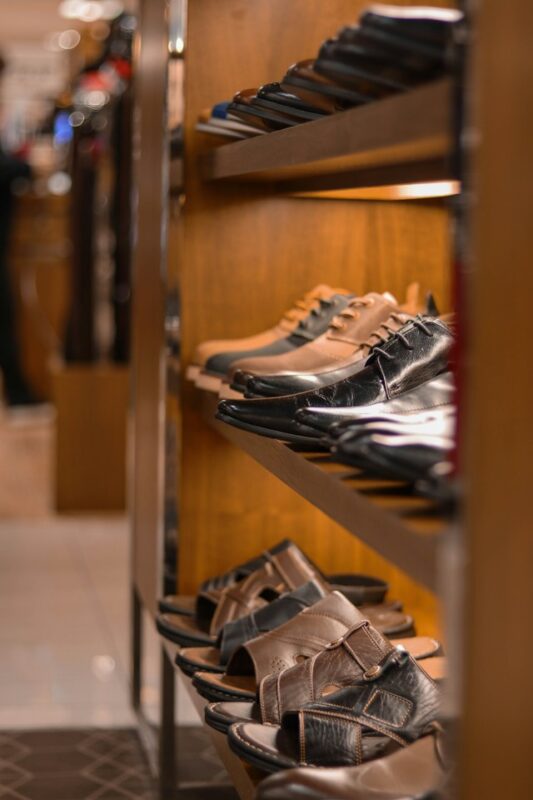
Boutique owners are looking beyond familiar wholesale assortments to create products customers can find only in their stores. Custom shoes offer that opportunity while giving retailers more control over design, pricing and brand identity. A small footwear collection can complement existing apparel and accessories without requiring a boutique to become a full-scale shoe company.
Success depends on understanding customer demand, production costs and quality expectations before placing an order. The strongest capsule lines begin with a focused concept and a realistic plan for development.
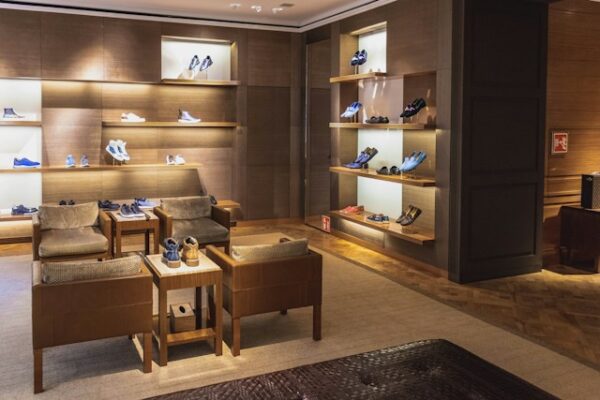
Shifting Customer Expectations
Shoppers increasingly expect boutiques to offer a distinct point of view. If customers can find the same products across several stores, price and convenience tend to drive their decisions. Exclusive footwear gives them a clear reason to return.
Comfort, quality and value remain important factors in consumer footwear purchasing decisions, so an attractive design alone may not be enough. Boutique owners should review sales data and customer comments before selecting a style. If relaxed dresses, knit sets and travel-friendly clothing sell well, a cushioned slip-on may fit the audience better than a trend-driven shoe. Polls and in-store conversations can help confirm demand before production begins.
Higher Margins Beyond Wholesale
Wholesale products usually arrive with suggested retail prices and little room for differentiation. A private-label collection gives the boutique more influence over materials, packaging and the final price. That control can support healthier margins, although development fees, samples, shipping and minimum order quantities must enter the calculation.
Build a full landed-cost estimate before approving a design. For example, a shoe that costs $28 at the factory may reach $38 after packaging, freight and related expenses. At a $95 retail price, the margin may look promising, but markdowns and returns still need to be considered. As boutiques adapt to changing retail conditions, careful inventory planning and cash flow management become particularly important when investing in exclusive product lines.
Choosing a Sourcing Ally
Footwear development involves more steps than selecting a color and adding a logo. A boutique must consider fit specifications, material availability, sample revisions, production schedules and packaging. Ask potential suppliers or consultants how they document changes and handle problems discovered during sampling.
Boutique owners exploring private label footwear development should familiarize themselves with the design, sampling, and manufacturing process before selecting a production partner. Before committing, request a written timeline that identifies approval points and expected costs. Confirm who owns the design files and clarify minimum quantities for repeat orders. Clear answers at this stage reduce the chance of delays after money has been committed.
Maintaining Consistent Quality
A strong sample doesn’t guarantee that every finished pair will meet the same standard. Create a written quality checklist covering color, stitching, sizing, sole attachment, labeling and packaging. Include measurable tolerances whenever possible, such as the acceptable difference in insole length between pairs marked as the same size.
Fit testing should involve several people across the intended size range. Have testers wear the shoes indoors for at least a few hours and record pressure points, slipping or material creasing. Once production starts, arrange inspections at agreed milestones. Keep one approved sample as the reference for later comparisons. Consistency protects the boutique from avoidable returns and helps customers trust future releases.
Launching Your Capsule Line
Start with one or two styles tied closely to products your boutique already sells. A neutral sneaker and a seasonal flat, for example, can appear in outfit photos and merchandising displays without competing for attention. Effective inventory planning starts with a limited first order that provides useful information about preferred sizes, colors and price sensitivity without tying up too much capital in untested products.
Plan the launch before the inventory arrives. Share sketches or material details during development, collect email sign-ups for early access and train staff to explain the shoe’s fit. Provide clear size guidance online and establish a practical exchange process. After launch, track sell-through by size each week instead of looking only at total sales. Those details will show exactly what the next capsule should keep, adjust or remove.