
Health and Wellness
Can Riding an E-Bike Improve Your Fitness?
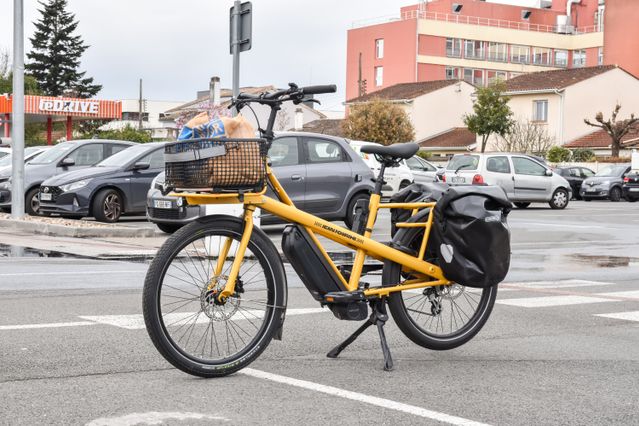
For many people, staying physically active is easier said than done. Busy schedules, long commutes, joint discomfort, and a lack of motivation can make traditional exercise routines difficult to maintain. Going to the gym several times a week is not always practical, and riding a conventional bicycle can feel exhausting, especially when dealing with hills or longer distances.
This is where electric bikes, commonly known as e-bikes, offer an interesting alternative. They combine traditional pedaling with motor assistance, allowing riders to stay active while making cycling more accessible.
But can riding an e-bike actually improve your fitness? The answer is yes. When used correctly, an e-bike can provide meaningful cardiovascular exercise, engage important muscle groups, encourage more frequent outdoor activity, and help people gradually build endurance.
Let’s explore the fitness benefits of e-bike riding, how to get the most out of your workouts, and how a model like the Himiway D5 2.0 20″ can support an active lifestyle.
1. Does Riding an E-Bike Count as Exercise?
One common misconception is that electric bikes do all the work for the rider. In reality, most pedal-assist e-bikes still require you to pedal. The motor simply provides additional power to make riding easier.
When you pedal, your leg muscles remain active, your heart rate increases, and your body uses energy. The amount of effort depends on several factors:
- Your selected pedal-assist level.
- The terrain and elevation.
- Your riding speed and duration.
- Your fitness level.
- How much effort you put into pedaling.
A systematic review published in the Journal of Physical Activity and Health in 2026 examined 31 studies involving 11,890 participants. Researchers found that although e-bike riding generally requires less physical effort than conventional cycling, it commonly reaches at least moderate exercise intensity. Compared with not exercising, e-bike use was also associated with greater overall physical activity and less sedentary time.
An earlier systematic review published in 2019 similarly found that electrically assisted cycling could provide at least moderate-intensity physical activity and potentially improve cardiorespiratory fitness, particularly among previously inactive individuals.
The important distinction is that an e-bike reduces the physical barriers to cycling without necessarily eliminating the exercise benefits.
2. Five Ways E-Bike Riding Can Improve Your Fitness
1. Supports Cardiovascular Health
Cycling is an aerobic activity. When you pedal continuously, your heart and lungs work to supply oxygen to your muscles.
Regular moderate-intensity cycling can help improve cardiovascular endurance over time. It may also contribute to better blood pressure management and overall heart health when combined with a balanced lifestyle.
E-bikes make it easier to maintain a consistent riding pace. Instead of struggling up a steep hill and stopping frequently, riders can use motor assistance to maintain a manageable level of effort.
For example, someone who initially struggles to ride for 15 minutes might find it easier to complete a 25-minute ride with moderate pedal assistance. Over time, that additional riding time can help build endurance.
2. Strengthens Leg Muscles
Even with motor assistance, pedaling engages several lower-body muscle groups.
These include:
- Quadriceps: Help extend the knees during pedaling.
- Hamstrings: Assist with knee flexion and hip extension.
- Glutes: Contribute to hip movement and pedaling power.
- Calves: Help stabilize the ankle and contribute to pedal movement.
Riding on different terrain can change the amount of work these muscles perform.
For example, cycling on a flat paved path provides relatively consistent resistance, while riding up a gentle incline requires additional muscular effort.
However, e-bike cycling should not replace a complete strength-training routine. Resistance exercises remain important for developing muscle strength, particularly as people age.
3. Helps Build Endurance Gradually
One of the biggest challenges for beginners is doing too much too soon.
A conventional bicycle can make long-distance riding intimidating for someone who has not exercised regularly. E-bike assistance allows riders to adjust the level of effort according to their current ability.
A beginner might start with short rides on relatively flat roads and gradually increase the distance.
As fitness improves, the rider can reduce motor assistance, pedal for longer periods, or explore routes with moderate inclines.
This gradual progression can make exercise more sustainable and help people develop a consistent routine.
4. Encourages More Time Outdoors
Exercise does not always need to happen inside a gym.
Riding an e-bike provides an opportunity to explore parks, neighborhood trails, waterfront paths, and other outdoor environments.
Spending more time outside can make physical activity feel less repetitive. Instead of focusing entirely on exercise, riders can enjoy discovering new places and spending time with friends or family.
For people who find traditional workouts boring, this can be a meaningful advantage.
5. Makes Physical Activity More Accessible for Older Adults
Cycling can become more challenging with age. Reduced endurance, joint discomfort, and difficulty managing steep hills may discourage some older adults from riding traditional bicycles.
An e-bike can help address some of these barriers.
The electric motor provides assistance when additional power is needed, while the rider can continue pedaling at a comfortable intensity.
A 2018 observational study involving 1,146 older adults found that e-bike use was associated with more cycling for transportation and recreational purposes. The researchers suggested that electric bicycles could encourage cycling among older people, particularly those at greater risk of physical inactivity.
This does not mean every e-bike is suitable for every older rider. Comfort, frame geometry, weight, braking performance, and individual physical abilities all matter.
3. How Much Exercise Should You Get From E-Bike Riding?
The Centers for Disease Control and Prevention (CDC) recommends that adults generally aim for at least 150 minutes of moderate-intensity aerobic activity each week, along with muscle-strengthening activities on at least two days.
For adults aged 65 and older, the recommendations also include activities that improve balance.
E-bike riding can contribute to the aerobic activity target when the rider pedals at a sufficient intensity.
Here is a simple example of how someone might build a cycling routine:
| Day | Suggested Activity | Duration |
| Monday | Easy e-bike ride | 20 minutes |
| Tuesday | Strength training | 20–30 minutes |
| Wednesday | Moderate e-bike ride | 30 minutes |
| Thursday | Walking or balance exercises | 20 minutes |
| Friday | Moderate e-bike ride | 30 minutes |
| Saturday | Outdoor recreational cycling | 40 minutes |
| Sunday | Rest or gentle walking | Optional |
This schedule provides 120 minutes of cycling. Riders can gradually add another 30 minutes of moderate-intensity activity during the week to reach the recommended 150-minute target.
The goal is not to ride as fast as possible. Consistency and an appropriate exercise intensity are more important.
A useful way to judge moderate intensity is the talk test: you should be able to talk while riding, but singing comfortably should be difficult.
If you can sing effortlessly throughout the ride, you may want to reduce the pedal assistance or increase your effort slightly, provided it is safe and comfortable.
4. How to Get a Better Workout From an E-Bike
Owning an electric bike does not automatically improve fitness. How you use it makes a significant difference.
Here are some practical ways to turn everyday rides into useful exercise.
Choose a lower pedal-assist level when appropriate.
Higher assistance makes pedaling easier. If your goal is exercise, consider using a lower assistance setting on flat roads so your muscles do more work.
You can increase assistance when climbing hills, dealing with strong headwinds, or feeling fatigued.
Use pedal assist instead of relying entirely on the throttle.
Throttle-only riding requires little or no pedaling. It can be useful when starting, maneuvering, or taking a break, but it does not provide the same cycling workout as actively pedaling.
For fitness purposes, pedal assistance is generally the better choice.
Increase your riding time gradually.
If you are new to cycling, start with 10–15-minute rides. Once your body adapts, gradually increase the duration.
Avoid suddenly increasing distance, speed, and intensity at the same time.
Explore different routes.
Flat roads are useful for building a consistent aerobic routine. Gentle hills can introduce additional physical challenges.
Choose safe routes that match your current fitness and cycling experience.
Track your progress.
Record your riding time, distance, and how difficult each ride feels.
You may notice that a route that initially feels challenging becomes easier after several weeks. That can be a useful indication that your endurance is improving.
5. Can the Himiway D5 2.0 20″ Support an Active Lifestyle?
For riders looking for a comfortable electric bike that can handle everyday trips and recreational adventures, the Himiway D5 2.0 20″ is one model worth considering.
It combines a compact 20-inch wheel platform with fat tires, full suspension, and adjustable pedal assistance.
These features can be useful for riders who want to incorporate cycling into their regular routines.
Adjustable Pedal Assistance for Different Fitness Levels
The D5 2.0 20″ features a 750W geared hub motor with 90Nm of torque.
It also offers five pedal-assist levels, an automatic pedal-assist mode, and switchable torque and cadence sensing.
This combination gives riders different ways to manage motor assistance.
For someone focusing on fitness, using a lower assistance level can encourage more active pedaling. When additional support is needed on a hill or during a longer ride, the rider can select a higher assistance level.
The switchable sensing system also provides flexibility in how the motor responds to pedaling.
This is particularly useful for households where different riders have different cycling abilities and preferences.
Full Suspension for More Comfortable Rides
The Himiway D5 2.0 20″ features a front hydraulic suspension fork with 90mm of travel and rear suspension with 100mm of travel.
Its 20 × 4.0-inch fat tires are designed to provide additional cushioning and traction across different riding surfaces.
These features can help reduce the impact of bumps and uneven paths, making recreational cycling more comfortable.
For example, a rider who prefers exploring neighborhood paths or relatively smooth gravel trails may appreciate the additional suspension.
However, suspension and fat tires do not eliminate the need for good riding technique or careful route selection.
Battery Capacity for Longer Rides
The bike uses a 48V 15Ah battery with a capacity of 720Wh.
Himiway advertises a pedal-assist range of up to 70 miles, although actual range depends on rider weight, terrain, assistance level, temperature, tire pressure, and other conditions.
For fitness enthusiasts, a larger battery can make it easier to plan longer recreational rides without worrying as much about running out of power.
It is still important to plan routes according to realistic battery expectations.
Practical Features for Everyday Cycling
Other notable specifications include:
- Shimano 8-speed drivetrain.
- Tektro hydraulic disc brakes.
- 20 × 4.0-inch Kenda fat tires.
- Integrated front lighting rated at 800 lumens.
- Ergonomic memory foam saddle.
- Adjustable handlebar stem.
- Rear cargo rack.
These features make the bike suitable for a variety of everyday and recreational riding situations.
However, one specification deserves particular attention: the bike weighs approximately 80 pounds.
That is relatively heavy compared with many conventional bicycles and lightweight e-bikes. Riders should consider whether they can comfortably maneuver, store, and transport it.
6. Is the Himiway D5 2.0 20″ the Best E-Bike for Seniors?
Choosing the best ebike for seniors involves more than just motor power and battery capacity. Comfort, stability, ease of handling, and overall riding experience are just as important.
Older riders may have different priorities from younger recreational cyclists. Comfort, stability, easy mounting, predictable handling, and manageable weight can be more important than maximum speed.
The Himiway D5 2.0 20″ has several characteristics that may appeal to some senior riders.
Its 20-inch wheels and approximately 16.9-inch standover height provide a relatively compact riding platform. The full suspension and wide tires can also help improve comfort on uneven surfaces.
The adjustable pedal assistance is another useful feature because riders can select a level of support that matches their physical ability.
However, there are some important considerations.
First, the approximately 80-pound bike weight may make lifting or moving it difficult for riders with limited upper-body strength.
Second, the advertised rider height range is approximately 4’11” to 6’3″, but individual body proportions and flexibility still affect fit. A test ride is important.
Third, riders with balance or mobility concerns should carefully evaluate mounting and dismounting. The 20-inch model’s standover height should be checked against the rider’s actual leg clearance and mobility needs.
The bike has a maximum payload capacity of 440 pounds, but the manufacturer’s stated maximum rider weight is 265 pounds. These are different limits and should not be confused.
Ultimately, the D5 2.0 20″ may be a suitable option for active older adults who want a powerful, comfortable fat-tire e-bike and can manage its weight. It is not automatically the best choice for every senior.
For someone who has difficulty lifting a leg over a traditional frame, comparing a dedicated step-through model may be a better approach.
7. Important Safety Tips Before Starting an E-Bike Fitness Routine
Exercise should improve your health, not create unnecessary risks.
Before beginning a regular e-bike routine, consider these precautions:
- Wear a properly fitted bicycle helmet.
- Check tire pressure, brakes, and battery condition before riding.
- Start on quiet, relatively flat roads or designated bicycle paths.
- Avoid riding at speeds beyond your comfort level.
- Use appropriate lighting and reflective clothing.
- Keep a safe following distance from other cyclists and vehicles.
- Stay hydrated, particularly during longer rides or hot weather.
- Avoid increasing your riding intensity too quickly.
Older adults and people with existing health conditions should consider speaking with a healthcare professional before starting a new exercise program, particularly if they have been inactive for a long time.
If you experience chest pain, unusual shortness of breath, dizziness, or other concerning symptoms, stop riding and seek appropriate medical attention.
Also remember that e-bike riding does not replace strength training or balance exercises. A well-rounded fitness routine should include different types of physical activity.
An E-Bike Can Be More Than Just Transportation
Can riding an e-bike improve your fitness? Absolutely, provided you use it as an opportunity to stay active rather than relying entirely on the motor.
Regular pedal-assisted cycling can support cardiovascular endurance, engage lower-body muscles, increase daily physical activity, and make outdoor exercise more accessible.
It can also help beginners and older adults overcome some of the barriers associated with traditional cycling.
The Himiway D5 2.0 20″ offers a combination of adjustable pedal assistance, full suspension, fat tires, and a large battery that can support everyday rides and recreational adventures. Its relatively heavy weight and individual fit requirements should still be considered before purchasing.
The best approach is simple: start with manageable rides, pedal consistently, adjust assistance to your fitness level, and gradually build your endurance.
You do not need to be an experienced cyclist to enjoy the benefits of riding. Sometimes, the most effective fitness routine is simply one that makes you want to get outside and move more often.