
House and Home
A New Era for Architectural Creativity: Los Angeles’s Leap into Parametric Design

Parametric design has taken the architectural world by storm, transforming the way architects approach building design and construction. In Los Angeles, a hub for architectural innovation, the adoption of parametric design tools has sparked a new era of creativity and experimentation. As a city known for its iconic skyline and bold architectural statements, Los Angeles has always been a canvas for creative talents to push the envelope. The city’s willingness to embrace cutting-edge technologies and methodologies has allowed it to maintain its status as a leader in the field, making it an important topic in the industry.
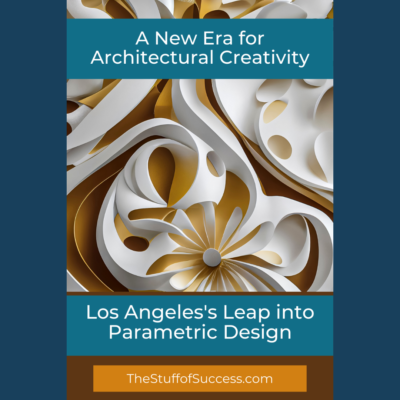
However, Los Angeles’ leap into parametric design represents more than just keeping up with global trends; it signifies a transformative shift in the creation and conceptualization of space. This article will provide a unique perspective on how parametric design is not just altering the aesthetics and functionality of LA structures but is also challenging the traditional process of architectural thinking and problem-solving. This pivot towards parametric design is not just about changing design tools, but is indicative of a broader cultural movement towards embracing complexity, innovation, and adaptive futures in the built environment.
The Rise of Parametric Design in Los Angeles
In Los Angeles, a city celebrated for its dynamic architectural designs, the adoption of parametric design marks a profound shift in building aesthetics and construction methodologies. Local LA architects and designers, known for their creative audacity, are now armed with sophisticated parametric tools that enable the creation of forms and structures once relegated to the imagination. These digital instruments facilitate the manipulation of countless variables to sculpt buildings that are not only visually striking but also responsive to environmental data, enhancing sustainability.
The resultant scenery is one in which the city’s skyline bristles with architectural marvels, characterized by fluid shapes and surfaces that challenge the orthogonal rigidity of earlier designs. This commitment to technological integration has favored Los Angeles as a fertile ground for architectural innovation, setting a precedent that blurs the lines between the conceivable and the fantastical in urban architecture.
Impact on Design Processes
Within the architectural circles of Los Angeles, the implementation of parametric design has become a central turning point in redefining design methodologies. This systematic and algorithm-driven approach equips architects with the ability to rapidly iterate and simulate a wider range of design possibilities, enabling a degree of customization and experimentation previously unattainable.
What’s more, it becomes key in optimizing various aspects of building performance, such as structural integrity, energy consumption, and material efficiency. Architects now possess the tools to fine-tune their designs to achieve maximum functionality and aesthetics, while at the same time adhering to environmental stewardship principles. The integration of computational design strategies into everyday architectural practice has not just enhanced the toolkit for design but has fundamentally altered the process of bringing architectural concepts to reality.
Parametric Design in Practice
Looking into the actual architectural practices in Los Angeles reveals that parametric design is more than conceptual—it’s a vivid transformation of the urban scenery. The city’s architects employ powerful software and algorithms to bend traditional design boundaries, generating iconic structures that embody innovation. These parametrically conceived buildings—the sculptural glass towers that pierce the horizon, and the flowing, organic complexes that sprawl across plots—are turning the cityscape into a testament to modern design philosophy.
Such tools allow architects to thoughtfully respond to environmental concerns and urban context while creating novel experiences for the inhabitants. Los Angeles’ edifices that rise from parametric roots are a celebration of the city’s spirited embrace of progress, blending creativity, technology, and functionality in refreshing and visionary ways.
Challenges and Opportunities
Parametric design undeniably enriches the spectrum of architectural possibilities, but it also demands a level of expertise from architects who must grapple with sophisticated software and find a way through a maze of algorithms.
Aside from mastering these tools, professionals in the field are required to reconcile their creative ambitions with the practicalities of building codes, regulations, and the often-prohibitive costs associated with bringing complex shapes and forms into the physical world. Even with these hurdles, the challenges of parametric design are a catalyst for innovation, driving architects to explore and expand the horizons of contemporary architecture. It is through these difficult but exciting challenges that the profession can reimagine what buildings can look like, how they can function, and the ways in which they interact with their surroundings and inhabitants.
The Future of Parametric Design in Los Angeles
Los Angeles is on the cusp of becoming a central epicenter for parametric design, heralding a new chapter in architectural innovation with global implications. This progressive movement, spearheaded by a community of skilled architects, designers, and developers, is shaping the city’s architectural frontier to be bright with boundless potential. These professionals are not just expanding the framework of parametric design but are also integrating it into the city’s DNA, collaborating on projects that break free from traditional constraints.
The resulting architectural configuration is expected to mature into a diverse ecosystem where each structure’s complexity is guided by the principles of parametric design—optimizing the functionality and impact of architecture on the urban matrix. This concerted effort to refine and stretch the capabilities of parametric design could very well canonize Los Angeles as a vibrant hub for cutting-edge architectural developments, inviting the world to witness its transformation into an arena where imagination meets tangible innovation.
In summary, Los Angeles has embraced parametric design with enthusiasm, signaling a major transformation in its architectural identity. The city’s skyline is being redefined by structures which exemplify both the unlimited creativity of designers and the advanced capabilities of computational tools. The shift towards embracing this innovative approach has not only enhanced the way architects conceive and construct new buildings but also sparked a broader cultural movement that aligns with the city’s historic penchant for experimentation and frontier-pushing aesthetics. While challenges such as mastering complex software, adhering to regulatory requirements, and managing costs remain, the opportunities for groundbreaking work are profound.