
Business
How to Elevate Your Business with Commercial Timber Frame Architecture
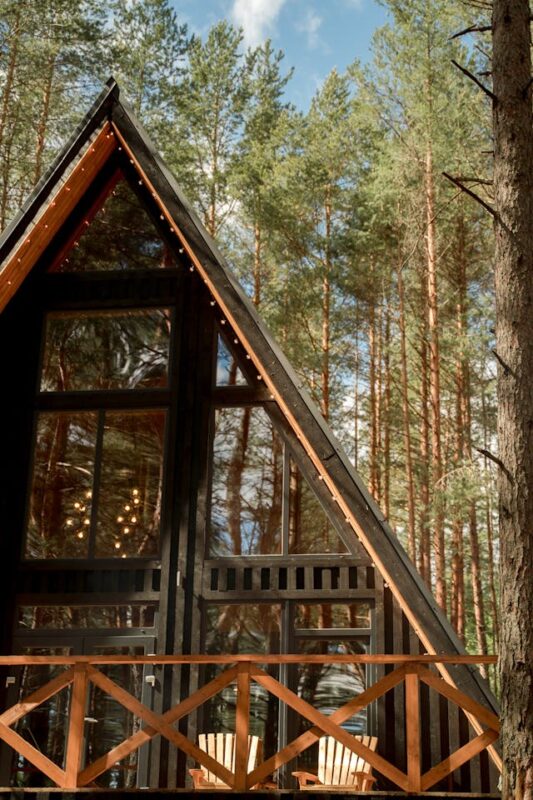
Clients and visitors are drawn to timber-framed spaces that feel welcoming and prestigious. Such environments support creativity and collaboration, making theIn a competitive business landscape where sustainability, efficiency, and design innovation are key, timber frame architecture is emerging as a strategic asset.
According to Fact.MR’s latest study, the global timber frame market is projected to grow at a CAGR of 7.1%. By 2034, it is expected to reach a valuation of USD 1.12 billion, nearly doubling from USD 562.3 million in 2024.
Timber frames are non-toxic, emit no chemical vapors, and require low energy to produce, making them an eco-friendly alternative to traditional materials. Their durability, strength, and integrated design allow for faster construction schedules, up to 50% quicker, and significantly lower labour costs.
This article explores how adopting timber frame architecture can elevate commercial projects through cost-efficiency, environmental responsibility, and modern design advantages.
The Essence of Timber Frame Architecture
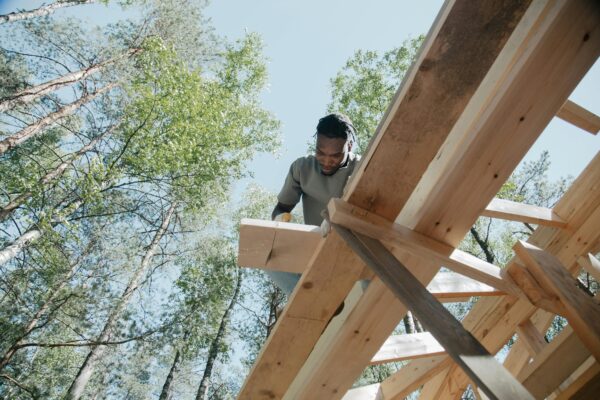
Commercial timber frame design relies on large, expertly crafted wooden beams to form the primary structural support of a building. Unlike conventional methods, this approach highlights the natural beauty of wood, making it a central architectural feature.
Blending traditional techniques with modern engineering, timber framing delivers impressive strength, energy efficiency, and timeless visual appeal. Businesses that choose timber frame architecture project an image of quality, craftsmanship, and heritage, values built into the very structure.
Hamill Creek Timber Homes notes that strong timber and advanced truss systems allow full roof support without the need for load-bearing walls. While not suitable for high-rises, this method provides a reliable, visually distinctive, and highly durable solution for most commercial projects.
Aesthetic Impact and Brand Differentiation
Visual identity matters in business. Timber frame buildings make an immediate impression with their striking wooden beams, soaring open spaces, and seamless blend with the natural environment. Whether housing a boutique retail outlet or a hospitality venue, the natural textures and organic lines of timber architecture evoke warmth, authenticity, and innovation.
The architecture itself becomes a subtle yet powerful part of your brand story.
Sustainability and Environmental Advantage
Sustainability is a growing priority for modern businesses, and commercial timber framing offers a clear path to achieving environmental goals. Timber is a renewable resource with a significantly lower carbon footprint than steel or concrete, especially when sourced from managed forests.
Advanced construction techniques further reduce waste and improve energy efficiency, aligning with eco-certifications like LEED and BREEAM. Timber’s natural insulating properties also help lower long-term energy use.
A striking example is Google’s new office at 1265 Borregas in Sunnyvale. Built primarily from Douglas fir timber, this structure is expected to produce 96% fewer carbon emissions than a similar steel-and-concrete building.
Designed to promote health and productivity, the mass timber office reflects Google’s commitment to sustainability.
Flexibility and Functional Value
Timber frame architecture offers remarkable versatility, adapting to diverse commercial applications from retail and restaurants to educational and medical facilities. A key advantage is the absence of internal load-bearing walls, enabling open, adaptable floor plans that can evolve with your business needs. Timber structures also allow for large spans and creative geometries, providing architects with immense design freedom.
The rapid construction cycle of prefabricated timber components further expedites project timelines and reduces labor costs, ensuring long-term operational flexibility.
This design flexibility is pushing architectural boundaries. As the New York Post reports, a 260-foot Alaskan Yellow Cedar truss bridge now connects Manhattan’s High Line to Moynihan Train Hall. Globally, Milwaukee’s 284-foot Ascent tower is now the world’s tallest timber structure, proving the material’s large-scale commercial potential.
Health, Wellbeing, and Workplace Performance
Timber frame buildings offer more than beauty and sustainability; they actively support occupant health and productivity. Natural materials like timber help regulate indoor humidity, improve air quality, and reduce acoustic stress, creating calmer, healthier spaces. Studies show that wood-rich environments can reduce stress and enhance focus, making them ideal for businesses prioritizing talent retention and performance.
Moreover, according to the Wiley Online Library, poor indoor environments have led to a rise in workplace-related health issues, including Sick Building Syndrome (SBS). Their study found that factors such as air quality, daylight, thermal comfort, and even indoor plants strongly influence well-being.
A significant number of office workers at the University of Greenwich reported SBS symptoms, linked directly to the building’s physical conditions. Timber’s natural warmth and biophilic appeal make it an ideal material for healthier, more productive workspaces in commercial settings.
Frequently Asked Questions (FAQs)
What type of building is a timber frame most suitable for?
Timber frames are highly versatile and suitable for expansive retail spaces, inviting restaurants, and adaptable educational campuses. They are also well-suited for medical facilities, hotels, offices, and community centers, even extending to large-span structures like sports halls or event venues. Their inherent strength and sustainable properties make them an ideal choice for modern, eco-conscious commercial projects.
What is the alternative to a timber frame?
Alternatives to timber frame construction include steel framing, concrete block construction, and structural insulated panels (SIPs). Each offers distinct benefits: steel for strength and fire resistance, concrete for durability, and SIPs for energy efficiency. The best choice depends on project goals, climate, budget, and architectural design preferences.
Are timber-frame commercial buildings more expensive to build?
Timber frame commercial buildings can have higher upfront costs than conventional builds, mainly due to quality materials and craftsmanship. However, they often offer long-term savings through faster construction, energy efficiency, and durability. Over time, reduced labor, operational costs, and potential green building incentives can make them more cost-effective overall.
Commercial timber frame architecture is more than a construction method; it’s a strategic investment in your business’s image, values, and future resilience. By choosing this construction material, companies elevate their spaces through distinctive design, environmental stewardship, and enhanced occupant well-being.
As markets evolve and expectations rise, timber buildings offer a compelling blueprint for progress, helping forward-thinking businesses stand out and thrive.