
Business
Warehouse Safety Signs: Essential Signage for Every Industrial Setting

The Core Categories of Industrial Safety Signage
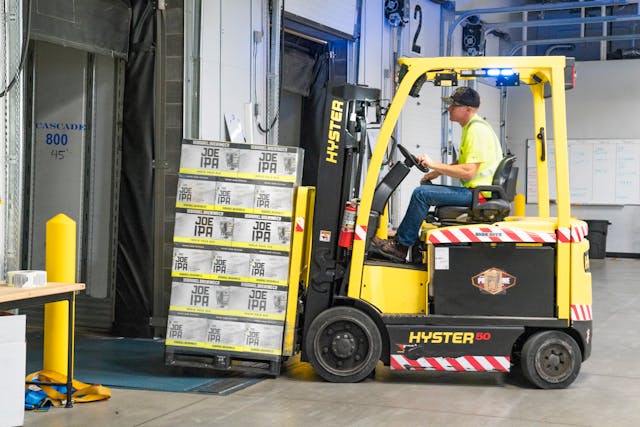
Warehouses, by their very nature, are dynamic environments busy with activity, machinery, and personnel. This constant motion, while essential for productivity, also presents a myriad of potential hazards that can lead to accidents and injuries. Ensuring the safety and well-being of every individual on-site is not just a regulatory requirement; it is a fundamental responsibility.
This is where industrial safety signs become indispensable. Far more than mere decorations, these signs serve as critical visual communicators, guiding behavior, highlighting dangers, and directing actions in emergencies. They are a cornerstone of effective hazard communication and accident prevention strategies in any industrial setting.
In this comprehensive guide, we will explore the essential role of industrial safety signs. We will dig into their primary purposes, different categories, and the key standards that govern their use. Our goal is to offer practical insights into how these crucial visual cues contribute to a robust safety management system, thereby fostering a safer and more compliant workplace for everyone.

Effective industrial safety signage relies on a universally understood system of symbols, colours, and shapes. In Australia, these standards are largely governed by Australian Standards, particularly AS 1319, which outlines the design and application of safety signs in the occupational environment. This standard ensures that regardless of language barriers, individuals can quickly identify and understand critical safety messages.
These signs are crucial items in any facility, highlighting dangers to avoid injury to staff and visitors. They reinforce standard work practices, keep areas organised, and communicate performance. By categorising hazards and necessary actions, we can better manage risks and foster clear workplace communication. Let’s explore the primary categories:
Prohibition Signs: Setting Clear Boundaries
Prohibition signs are designed to convey a clear message: certain actions or behaviours are strictly forbidden in a particular area. Their purpose is to prevent activities that could lead to immediate danger or compromise safety protocols. These signs are instantly recognisable by their distinctive format: a red circle with a diagonal line (slash) through a black pictogram, set against a white background. The red colour signifies “STOP” or “DO NOT.”
Common examples of prohibition signs frequently encountered in industrial settings include:
- No Smoking: Crucial in areas with flammable materials or where fire hazards exist.
- No Entry: Restricts access to unauthorised personnel, protecting them from unseen dangers or sensitive operations.
- Do Not Touch: Prevents interference with machinery or equipment that could cause injury or damage.
- Do Not Walk Here: Directs foot traffic away from hazardous zones, such as forklift operating areas.
- Do Not Operate: Indicates machinery that is unsafe or under maintenance.
By clearly specifying actions and/or behaviours that are not permitted in a workplace or facility, prohibition signs play a vital role in maintaining order and preventing accidents. For a deeper dive into the significance and application of these critical visual cues, explore our guide on Prohibition Signs in the Workplace and Public Spaces.
Mandatory Signs: Enforcing Essential Actions
In contrast to prohibition signs, mandatory signs dictate actions that must be performed to ensure safety. These signs are designed to enforce specific requirements, particularly concerning the use of Personal Protective Equipment (PPE) or adherence to certain procedures. They are characterised by a blue circle with a white pictogram, often accompanied by white text on a blue background. The blue colour signifies “MANDATORY” or “COMPLY.”
In a warehouse or industrial environment, mandatory signs are ubiquitous, ensuring that all personnel are adequately protected and follow necessary safety protocols. Some common mandatory signs include:
- Hard Hats Must Be Worn: Essential in construction zones, loading docks, or areas with overhead hazards.
- High-Vis Clothing Required: Ensures visibility of workers in areas with vehicle traffic or low light.
- Hearing Protection Mandatory: Posted in noisy environments to prevent hearing damage.
- Eye Protection Must Be Worn: Critical in areas where flying debris, chemicals, or bright lights pose a risk.
- Foot Protection Must Be Worn: Required in areas with heavy objects or potential for punctures.
These signs are vital for reinforcing safety standards at the point of use, ensuring that employees and visitors take the necessary precautions before entering or working in specific zones. They are a fundamental part of a proactive safety culture, guiding individuals to take actions that safeguard their well-being. For facilities looking to implement a complete and consistent signage system, it can help to explore facility signage for logistics operations, covering everything from mandatory PPE requirements to aisle markers and hazard warnings.
Warning and Caution Signs: Alerting to Potential Hazards
Warning and caution signs serve as vital alerts to potential hazards that may not be immediately obvious but could lead to injury or damage. The distinction between them often lies in the severity of the likely outcome.
Warning Signs alert to hazardous conditions that are not likely to be life-threatening but could still result in significant injury or property damage. They are typically yellow and black, featuring a black pictogram within a yellow triangle with a black border, often accompanied by black text on a yellow background. The yellow signifies “WARNING” or “CAUTION.”
Caution Signs, often falling under the broader “warning” category, indicate a potential hazard or unsafe practice that could result in minor to moderate injury. These are the familiar black and yellow signs you often see. As noted by industry experts, caution signs tell workers or visitors where dangers and risks are, and how to avoid them. For a comprehensive look at these critical alerts, refer to our guide on Warning: Your Ultimate Guide to Workplace Hazard and Danger Signs.
Common warning and caution signs in industrial settings include:
- Slippery When Wet: Prevents slips and falls in areas prone to moisture.
- Forklift Traffic: Alerts pedestrians to the presence of moving vehicles.
- Watch Your Step: Highlights changes in elevation or uneven surfaces.
- Hot Surface: Warns of burn hazards from heated equipment.
- Chemical Storage Area: Indicates the presence of hazardous substances.
- High Noise Area: Advises of excessive noise levels.
These signs are critical components of a comprehensive safety strategy, safeguarding the well-being of employees and visitors by communicating potential risks. Understanding their meanings and adhering to their guidance is essential. For more insights into these widely used alerts, particularly on construction sites, you can read our Caution Signs You Can’t Miss on a Construction Site: A Full Guide.
Danger and Emergency Signs: Your Guide in Critical Situations
These two categories address the most severe and time-sensitive situations in an industrial environment.
Danger Signs are reserved for hazards and/or hazardous conditions that are likely to be life-threatening. Their format is unmistakable: a red oval within a black rectangle, with the word “DANGER” prominently displayed in white. A black pictogram and white text typically accompany this on a black or red background. The red colour here is paramount, demanding immediate attention and action.
Examples of danger signs include:
- High Voltage: Warns of electrocution risk. For specific guidance, see our article on Electrical Hazard Warning Signs.
- Confined Space – Entry by Permit Only: Indicates areas with limited entry/exit, potential atmospheric hazards, or engulfment risks.
- Flammable Material: Alerts to the presence of highly combustible substances.
- Do Not Enter – Hazardous Area: Restricts access to extremely dangerous zones.
These signs are essential in work-in-progress areas where severe risks are present. More information can be found in our dedicated post on Danger Signs: Essential for Work in Progress Areas.
Emergency Signs are designed to provide crucial information and direction during critical situations, guiding individuals to safety or to life-saving equipment. They feature a green background with white text and/or a white pictogram. The green colour universally signifies “SAFETY” or “GO.”
Key emergency signs include:
- First Aid Station: Directs to the location of medical assistance.
- Fire Extinguisher: Indicates the position of fire-fighting equipment. For more on fire safety, refer to Fire Safety Signs: Making Your Workplace Safe and Compliant.
- Emergency Exit: Clearly marks escape routes.
- Emergency Assembly Point: Guides personnel to a safe gathering area after an evacuation.
- Eye Wash Station: Directs to equipment for flushing eyes exposed to irritants.
Emergency signs direct employees and visitors, offering essential guidance when it matters most. They are a non-negotiable part of any robust safety plan, ensuring that in an emergency, every second counts towards safety.
Ensuring Compliance and Effectiveness with Premium Industrial Safety Signs
The mere presence of safety signs is not enough; their effectiveness hinges on strict adherence to regulations, strategic placement, and ongoing maintenance. Workplace safety signs with specific wording or symbols are often required by regulatory bodies such as ANSI or OSHA (in the US), and in Australia, by Safe Work Australia and Australian Standards like AS 1319. Compliance isn’t just about avoiding penalties; it’s about genuinely protecting lives and fostering a secure working environment.
Choosing the Right Materials for Your Premium Industrial Safety Signs
The harsh realities of industrial environments demand that safety signs are not only visible but also incredibly durable. The choice of material directly impacts a sign’s longevity, resistance to environmental factors, and overall effectiveness. Industrial signs are constructed from a range of durable materials, often available in multiple options.
Here’s a breakdown of common materials and their ideal applications:
- Aluminium: Known for its exceptional durability and resistance to rust and corrosion, aluminium signs are suitable for both indoor and outdoor use. They can withstand extreme temperatures, harsh chemicals, and significant impacts, making them perfect for heavy industrial areas, construction sites, and outdoor facilities. They are also UV-resistant.
- Polypropylene (Corflute): A lightweight and cost-effective option, polypropylene is suitable for temporary signage or areas where signs may need to be moved frequently. It offers good resistance to moisture and some chemicals, making it useful for short-term outdoor applications or indoor hazard warnings.
- Self-Adhesive Vinyl: Highly versatile, vinyl stickers can be applied to a variety of surfaces, including walls, floors, machinery, and vehicles. They are excellent for marking pathways, equipment, and smaller hazard warnings. High-quality vinyl is weather-resistant, UV-resistant, and can be laminated for added durability against abrasion and chemicals.
- Rigid Plastic (e.g., PVC, High-Impact Polystyrene): These materials offer a good balance of durability and affordability. Rigid plastic signs are suitable for both indoor and sheltered outdoor use, providing resistance to moisture and many chemicals. They are commonly used for general safety instructions, mandatory PPE requirements, and directional signage.
- NightGlow (Photoluminescent): These signs absorb light and glow in the dark, making them essential for emergency exits, fire equipment locations, and evacuation routes, especially during power outages or in dimly lit areas. They are usually made from rigid plastic or self-adhesive vinyl with a special photoluminescent coating.
When selecting materials, consider the specific conditions the sign will face, including exposure to weather, chemicals, abrasion, and potential impacts. Investing in high-quality, weather-proof, UV-resistant, water-resistant, termite-proof, and heat-resistant materials ensures your signs remain legible and effective for years to come. For robust and reliable options, explore Pinnacle premium industrial safety signs, designed for longevity in demanding environments.
Best Practices for Effective Sign Placement and Maintenance
Even the most compliant and durable sign is ineffective if it’s not seen or understood. Strategic placement and consistent maintenance are paramount to ensuring your safety signage system works as intended.
Placement Guidelines:
- Visibility is Key: Signs must be clearly visible from a safe distance, considering potential obstructions, lighting conditions, and viewing angles. They should be placed at eye level where possible.
- Proximity to Hazard: Position signs as close as safely possible to the hazard they describe. For instance, machinery signage should be placed near the machinery in question, and electrical safety signs are required in or around areas where electricity and electrical appliances are present, where the danger is highest.
- Safe Spot: Ensure the sign itself doesn’t create a new hazard. Avoid placing signs in low areas where they might cause head injuries or impede movement.
- Permanent Locations: Choose sign locations that won’t require moving them later due to future expansion or equipment changes. This ensures consistency and avoids unnecessary costs.
- Avoid Clutter: While it might seem logical to put all safety messages in one place, too many signs in one location can lead to “information overload,” reducing the impact of each sign. Group complementary signs together (e.g., Hazchem signs, GHS signs, and EIPs for chemical warnings), but separate unrelated ones.
- Consider the Audience: Place signs where they will be seen by those most affected by the hazard.

Maintenance Practices:
- Regular Inspections: Conduct routine checks of all safety signs to ensure they are clean, visible, and undamaged. This is a crucial step in maintaining compliance with standards such as AS 1319.
- Cleaning: Dust, grime, and other industrial residues can obscure important messages. Establish a regular cleaning schedule to keep signs legible.
- Prompt Replacement: Faded, damaged, or missing signs must be replaced immediately. A compromised sign can lead to confusion, misinterpretation, and ultimately, accidents.
- Update as Needed: As workplace hazards or regulations change, ensure your signage is updated accordingly. This might involve replacing signs or adding new ones.
By diligently following these best practices for placement and maintenance, businesses can significantly improve the effectiveness of their safety signage, reinforcing a culture of safety and protecting everyone on site. Safety signs prevent accidents, signify health hazards, indicate the location of emergency and safety equipment, and give guidance in an emergency.
This article does a great job explaining how important industrial safety signs are for preventing accidents and keeping warehouses organized. After reading useful workplace content like this, I usually unwind with Idols of Ash which is a fantasy strategy game filled with immersive battles and exploration.
Great post on “Warehouse Safety Signs: Essential Signage for Every Industrial Setting”—clear and practical. I especially liked the point about Warehouses, by their very nature, are dynamic environments busy with activity, machin… Thanks for sharing.
Really enjoyed your write-up on “Warehouse Safety Signs: Essential Signage for Every Industrial Setting”. I especially liked the point about Warehouses, by their very nature, are dynamic environments busy with activity, machin… Very helpful and easy to follow.
This was a strong read on “Warehouse Safety Signs: Essential Signage for Every Industrial Setting”. I especially liked the point about Warehouses, by their very nature, are dynamic environments busy with activity, machin… Appreciate the actionable perspective.
Excellent breakdown on “Warehouse Safety Signs: Essential Signage for Every Industrial Setting”. I especially liked the point about Warehouses, by their very nature, are dynamic environments busy with activity, machin… The examples made it click quickly for me.
This was a strong read on “Warehouse Safety Signs: Essential Signage for Every Industrial Setting”. I especially liked the point about Warehouses, by their very nature, are dynamic environments busy with activity, machin… Appreciate the actionable perspective.
Really enjoyed your write-up on “Warehouse Safety Signs: Essential Signage for Every Industrial Setting”. I especially liked the point about Warehouses, by their very nature, are dynamic environments busy with activity, machin… Very helpful and easy to follow.