
Food
Food and Travel: How Culinary Experiences Shape Our Adventures

Travel now goes beyond escape, becoming an expedition for the senses where flavor rivals scenery and hospitality equals history. Modern travelers seek iconic landscapes and the local tastes that bring destinations alive. Moments like sharing a market, cooking with a host, or discovering regional delicacies create deeper connections than selfies. Culinary tourism reveals stories and identities, with mentors inspiring travelers to see food as a powerful cultural connector.
This culinary movement isn’t merely a trend; it’s transforming the very fabric of travel. More than ever, adventurers seek to savor, share, and sustain—not just their journeys, but also the communities that offer them a plate and a smile. As Claudette Schwartz emphasizes, culinary tourism allows travelers to immerse themselves authentically, ensures their spending benefits local economies, and brings home memories defined by taste and understanding.
The Rise of Culinary Tourism
Food has guided people along trade routes for centuries, inspired gatherings, and sparked curiosity about distant lands. Today, that impulse is stronger than ever—culinary tourism has emerged as one of the leading motivations for travel. More travelers now structure entire itineraries around signature regional foods, local cooking lessons, and immersive experiences like cheese-making in the Alps or coffee tastings in Colombia. Culinary tourism transforms a standard itinerary into a sensory adventure, offering the opportunity to taste culture firsthand.
Cultural Immersion Through Local Flavors
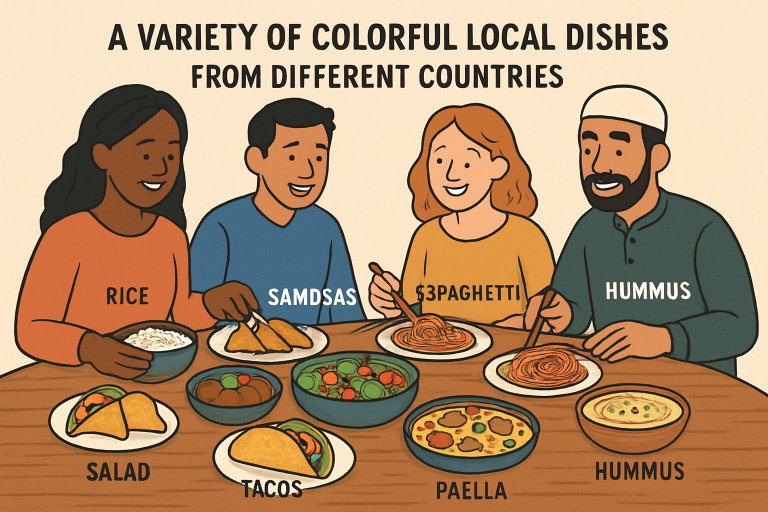
Dining isn’t just about sustenance on the road; it’s an act of discovery. Each bite reflects history, geography, and shared wisdom. Whether at street stalls in Bangkok or a Polish grandmother’s kitchen, every meal invites learning about customs and connecting with people, breaking barriers with a shared table and an open mind. These experiences, often with local guides sharing stories behind flavors, deepen understanding beyond monuments or museums. Food becomes a language that unites cultures, whether exploring Marrakech’s spices or a chef describing their city’s signature dish.
Technology and Personalization in Culinary Travel
Travel planning has become more sophisticated as new apps and artificial intelligence offer travelers unparalleled personalization. Now, culinary explorers can access digital platforms that recommend local favorites, book food experiences with experts, or curate itineraries based on unique dietary needs and preferences. For example, apps that analyze your taste profile can suggest the perfect ramen shop in Tokyo or alert you to vegan farm-to-table pop-ups in Berlin. This era of personalized travel ensures that even adventurers with allergies or strict diets can experience the full spectrum of a destination’s flavors. As technology becomes more integral, it’s never been easier to enjoy stress-free, bespoke food journeys wherever you roam.
Sustainability and Health-Conscious Dining
Modern travelers prefer ethical, local, and sustainable dining. Hyperlocal sourcing, where chefs work directly with nearby farms and foragers, is now the standard, showcasing fresh seasonal ingredients and reducing carbon footprints. It benefits communities by supporting local economies and preserving regional culinary traditions. Sustainability often aligns with health-conscious choices, with diners seeking organic, waste-reducing, or plant-based options. These trends not only benefit the environment but also improve travelers’ well-being, allowing them to enjoy global flavors ethically. Hotels and food festivals worldwide promote these practices, making conscientious eating the norm for adventurous eaters.
Combining Culinary and Adventure Travel
Some destinations are celebrated not just for their food, but for the adventures that await in between meals. Iconic regions such as the French Alps, the Pacific Northwest, or the vineyards of South Africa offer perfect integration of taste and thrill. Here, travelers may trek through mountain trails by day and savor hearty stews at a rustic inn by night. Mixing adrenaline-pumping activities—like truffle hunting, fishing with locals, or ski touring—with gourmet experiences amplifies the memories made. It ensures that travel is nourishing for both body and soul.
Future Trends in Culinary Tourism
The future of food tourism is poised for major growth, driven by adventurous eaters seeking more than basic or “touristy” options. As travelers become more informed and value-oriented, demand for customizable tours, local partnerships, and digital food experiences will rise sharply. Culinary travel will support local economies, showcase heritage recipes, and adapt to global health and ethics trends. Food and travel are inseparable for those seeking meaningful adventures. Focusing on local cuisine, personalized technology, and sustainability ensures journeys that are both enriching and memorable, blending deliciousness with mindfulness.
Acquista le nuove felpe con cappuccio, le tute e le giacche Trapstar presso il negozio ufficiale Trapstar Outlet Italia. Consegna rapida. Scorte limitate
You explained things in such a clear and thoughtful way. It’s refreshing to read content that feels both informative and relatable. Thanks again for putting this together.
Thank you for this article, it answered several questions I had. The way you broke it down makes learning so much easier. Excited to see more content like this on your blog in the future.
Kaufen Sie die neueste Kollektion von FOG Essentials Clothing mit 50 Rabatt im offiziellen Essentials Hoodie Store® Schneller Versand!
Food is such a big part of what makes travelling memorable, especially when local dishes and traditions become part of the experience rather than just something to eat. It also makes me think about how our everyday routines are shaped by the things we choose to include in them once we’re back home. For anyone interested in collagen as part of their daily routine, Kollagen Institut is worth checking out.