
Business
How Local Music Venues Actually Stay in Business
Walk into any neighborhood music venue on a Tuesday night and the crowd might be sparse. The bartender outnumbers the audience. The band plays to twenty people in a room built for two hundred. From the outside, the economics look impossible – how does a place survive when most nights don’t come close to capacity?
Yet these venues keep their doors open year after year, becoming fixtures in their communities. The math works differently than it appears from the audience side. Understanding how requires looking beyond ticket sales to the full picture of revenue streams, cost management, and community building that makes small venue operations viable.
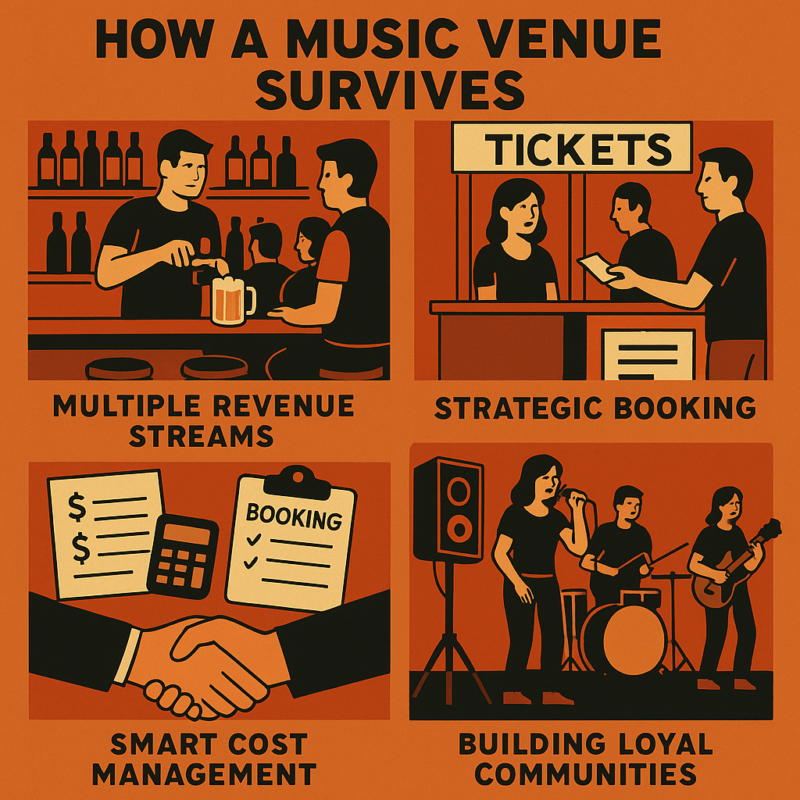
Multiple Revenue Streams Keep the Lights On
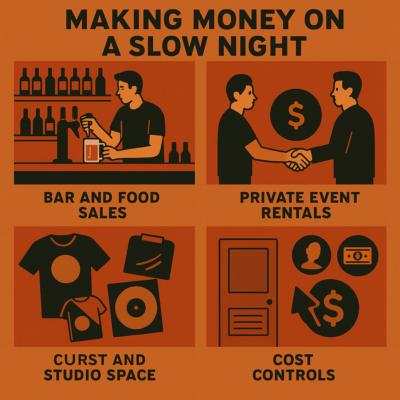
Ticket sales alone rarely sustain music venues. The real money comes from the bar. Alcohol margins are where venues actually make profit, which is why drink minimums and bar requirements appear in so many venue policies. A slow night with modest ticket sales can still work financially if attendees buy enough drinks.
Food service adds another layer when venues can accommodate it. Even simple offerings – pizza, appetizers, basic bar food – create additional per-person spending beyond tickets and drinks. The venues that thrive often maximize these ancillary revenue opportunities rather than relying on door charges alone.
Rental income fills the calendar gaps. Hosting private events, corporate parties, or community gatherings during traditionally slow periods brings in guaranteed money that doesn’t depend on hoping enough people show up. These bookings often pay better than public shows because they’re flat fees rather than percentage splits.
Some venues diversify further with merchandise sales, recording studio space, rehearsal room rentals, or music lessons during daytime hours. Any use of the physical space that generates income helps offset the overhead costs that exist whether or not shows are happening.
Smart Cost Management Makes Thin Margins Work
Venues that survive long-term keep tight control over expenses. They negotiate favorable lease terms or own their buildings outright, eliminating the pressure of constantly increasing rent. Fixed costs get minimized wherever possible since they don’t flex with revenue fluctuations.
Staffing gets calibrated carefully. Slow nights might run with minimal crew while busy nights bring in additional help. Using part-time or contract workers instead of full-time employees provides flexibility to match labor costs with actual need. The most efficient venues cross-train staff so bartenders can handle sound, door staff can manage merchandise, and everyone can cover multiple roles.
Equipment maintenance gets prioritized over upgrades. A solid sound system that gets properly maintained outperforms a fancier system that’s neglected. Venues that stay in business tend to invest in reliable gear and keep it working rather than chasing the latest technology.
Utility costs matter more than most people realize. Heating and cooling large spaces gets expensive. Smart venues adjust climate control based on expected attendance and schedule events to minimize running empty spaces. Every dollar saved on overhead allows operating at lower capacities without losing money.
Building Loyal Communities Creates Sustainable Audiences
The venues that last become gathering places beyond just performance spaces. Regulars show up regardless of who’s playing because they enjoy the atmosphere and community. This base of consistent attendees provides a foundation that one-off visitors add to rather than needing to create crowds from scratch each night.
Loyalty programs and membership models turn casual attendees into invested community members. Monthly memberships that include benefits – ticket discounts, priority access, special events – create predictable recurring revenue while building stronger connections with patrons.
Supporting local artists creates reciprocal relationships. When venues consistently book and promote emerging local acts, those artists and their followers develop loyalty to the space. This builds an ecosystem where the venue, performers, and audience all support each other’s success.
Email lists and social media followings become valuable assets. Having direct communication with thousands of interested people means each show starts with built-in awareness rather than hoping to attract attention from scratch. The larger and more engaged this audience, the easier filling the room becomes.
Efficient Ticketing Operations Reduce Friction and Costs
Managing ticket sales shouldn’t consume excessive time or money. Venues succeed by implementing systems that handle sales smoothly without eating into already thin margins. Operating with solutions like Loopyah keeps the ticketing side efficient so venue operators can focus energy on the actual events rather than wrestling with payment processing or customer service issues about ticket purchases.
Walk-up sales still matter for smaller venues where advance tickets aren’t the norm. Having simple, fast door processes keeps lines moving and gets people inside buying drinks sooner. Every minute people spend waiting outside is lost revenue time at the bar.
Group sales and bulk ticket options help fill rooms faster. Making it easy for someone to buy ten tickets at once captures entire friend groups rather than hoping each person buys individually. Corporate or community group packages serve similar purposes – converting one decision maker into multiple attendees.
Strategic Booking Balances Draw With Costs
Not every night needs to be a blockbuster. Mixing higher-draw acts that command bigger guarantees with emerging artists who work for door percentages creates a sustainable booking calendar. The bigger shows generate profits that subsidize the smaller ones that build community and relationships.
Multiple acts per night spread risk and appeal to broader audiences. If one band only draws their twenty dedicated fans, having two or three other acts on the bill brings additional attendees. Package shows also create longer evenings, which means more drink sales and better value perception for ticket buyers.
Consistent scheduling builds habits. First Friday jazz nights, Saturday afternoon matinees, weekly open mics – regular programming trains people to check the calendar and make plans. Predictability helps attendance because people can plan around known schedules.
Genre diversity throughout the week serves different audience segments. Monday might be acoustic folk, Wednesday electronic music, Friday indie rock, Saturday hip-hop. Each draws different crowds but keeps the venue busy across the week rather than stacking similar genres that compete for the same limited audience.
The Physical Space Flexibility Matters
Venues that can adapt their layout serve different event types more effectively. Removing tables converts a listening room into a dance space. Adding seating transforms a standing venue into a comfortable performance hall. This flexibility increases booking opportunities since the space can accommodate various event formats.
Capacity limits sound restrictive but actually help smaller venues compete. A 200-person room sells out faster than a 500-person space, creating better atmosphere and stronger demand signals. Full rooms feel exciting even with modest absolute numbers. This size advantage explains why many successful venues intentionally stay small.
Acoustic quality can be more important than size or amenities. Musicians prefer venues where they sound good, which drives bookings and recommendations. Audiences notice sound quality whether they realize it consciously or not. Investing in proper acoustics pays dividends in artist relationships and attendee satisfaction.
Location accessibility affects everything. Proximity to public transit, available parking, walkability from residential areas – these practical concerns determine who can attend. Venues in convenient locations have natural advantages, while those in difficult spots need stronger draws to overcome the accessibility barrier.
Relationships With Artists Create Mutual Success
Fair treatment of performers builds reputations that attract better talent. Musicians talk, and word spreads about which venues pay fairly, provide good hospitality, and treat artists professionally. The venues with best reputations get first choice of touring acts and loyal local performers.
Developing house sound engineers who work consistently with the venue ensures quality. Performers appreciate skilled sound staff who know the room and can make them sound good quickly. This technical expertise becomes part of the venue’s value proposition.
Promoting shows effectively benefits both venue and artist. Venues that actively market their events rather than expecting performers to do all the promotion build stronger partnerships. Good promotion fills rooms, which creates better shows, which builds reputations that make future bookings easier.
Surviving Slow Periods Without Going Under
Cash reserves matter immensely for weathering inevitable slow stretches. Winter months, post-holiday periods, and summer vacations create predictable attendance drops. Venues that survive build reserves during good periods to cover lean times.
Reducing costs during slow periods helps extend runway. Cutting back hours, reducing staff, pausing non-essential maintenance – these adjustments preserve cash until business picks back up. The key is knowing which expenses can flex and which must continue regardless.
Alternative programming fills gaps when music bookings are thin. Comedy nights, trivia events, private parties, film screenings – anything that brings people into the space and generates revenue helps bridge slow periods. Diversifying event types also attracts broader audiences beyond just music fans.
Strong community relationships often mean support during difficult times. Loyal patrons buy gift cards, make donations, or organize fundraisers when beloved venues struggle. This goodwill gets earned through years of being valuable community spaces, not just businesses.