
Animals, Dog Paws, Health and Wellness
The Role of Protein Quality in Muscle and Overall Dog Health

Imagine this: You notice your dog seems sluggish, struggles to keep up on walks, and isn’t bouncing back from play sessions like before. You double-check their activity, their environment, even their sleep but the real issue might be hiding in their bowl. Yes, what your dog eats, particularly protein quality, plays a massive role in their muscle health and overall vitality.
A high number of dog owners are concerned about the quantity rather than quality of protein. Not every protein is equal. Now we will discuss the reasons why protein is important, the myths, and the tips that you can apply to make your furry friend healthy.
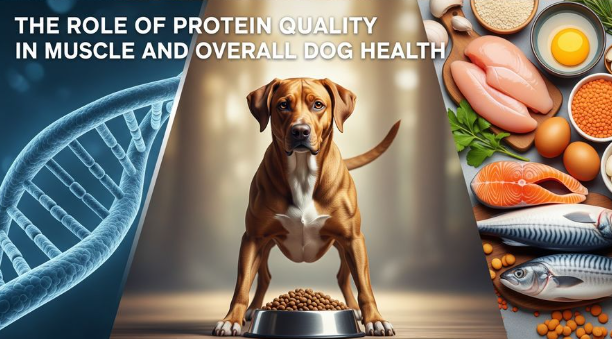
Why Protein Quality Matters
Muscle, hormones, enzymes and immune functioning are all composed of protein. Dogs require not only adequate amounts of protein but good protein, that is, protein that has all required amino acids in appropriate proportions. Poor-quality protein may make your dog sleepy, have bad muscle tone, or find it hard to keep a good weight.
A real-life example: Max, a five-year-old Labrador, was fed a budget dog food for months. Despite eating enough, he was losing muscle mass and energy. After switching to a protein-rich diet with high bioavailability, his muscle tone improved, and he was back to chasing balls with enthusiasm.
Takeaway: It’s not just how much protein your dog eats—it’s how well their body can use it.
Myth vs Fact: Protein in Dog Diets
Myth 1: Dogs need very high protein levels to be healthy.
Fact: Too much protein can strain kidneys, especially in older dogs. Balance is key.
Myth 2: Plant-based protein is enough for muscle growth.
Fact: Dogs thrive on animal proteins like chicken, beef, or fish because they contain complete amino acid profiles. Plant proteins may need careful combination to be effective.
Myth 3: All commercial dog foods have good protein.
Fact: Quality varies widely. Check labels for named protein sources and digestibility ratings.
Key Note: Don’t just read the numbers—understand the source and quality of protein.
Practical Checklist: Choosing the Right Protein
When evaluating your dog’s diet, consider these factors:
- ✅ Protein source: Look for named meats (chicken, beef, salmon) instead of generic “meat meal.”
- ✅ Digestibility: Highly digestible protein ensures your dog absorbs essential amino acids.
- ✅ Balanced nutrition: This is to make sure that the diet is rich in fats, vitamins and minerals.
- ✅ Life stage: Adults, seniors, and puppies require different levels of protein.
- ✅ Health conditions: Dogs with kidney/liver problems may need special protein consumption.
Also, if you’re sourcing foods yourself, choose a dog feed supplier with transparency about protein quality and sourcing.
Key Note: A quality check of protein is a systematic verification of the quality of the food ingested by your dog so that they can get the best out of each meal.
Case Example: Protein Impact on Working Dogs
Let us take the example of Bella, a two-year-old Border Collie. She is a farm dog, and she began experiencing fatigue in the middle of the season. Her vet recommended that she examines her protein level. Her meals were adjusted to include animal feed rich in bioavailable proteins, and the difference was noticeable within weeks, stronger muscles, higher endurance, and faster recovery after activity.
This points out to the fact that protein quality is not a luxury that solely impacts performance and health.
Key Note: High-quality protein can transform your dog’s energy, endurance, and muscle health.
Practical Tips to Boost Protein in Your Dog’s Diet
- Rotate protein sources: Chicken, fish, beef, and lamb provide different amino acids and nutrients.
- Supplement wisely: For picky eaters, adding cooked eggs, yogurt, or lean meats can improve protein quality.
- Monitor portion size: obesity is a result of overfeeding, whereas underfeeding prevents muscle development.
- Vet guidance: Consult your vet or consider veterinary tech jobs and professionals for diet adjustments, especially if your dog has health conditions.
- Homemade diets carefully: In case you make meals at home, make sure that the meals contain all the amino acids that you need in order to avoid deficiencies.
Beyond Protein: Supporting Overall Health
While protein is critical, it’s only one piece of the puzzle. Dogs also need:
- Adequate hydration
- Essential fatty acids for coat and joint health
- Minerals and vitamins to protect against disease.
- Regular exercise for muscle maintenance
A combination of quality protein and balanced life guarantees a long and healthy life.
Summary
The quality of protein is critical to the health, energy, and fitness of your dog. Proteins are not all the same and knowing the source of these proteins, how they are digested, as well as the balance in the diet of your dog, could keep them healthy and increase performance.
As a novice dog owner or an experienced dog keeper, a combination of attention to protein quality and general nutrition is one of the most effective and easy-to-follow steps to maintaining a strong, healthy, and vivacious dog.