
Health and Wellness
Pain-Free Living: Safe Methods for Easing Lower Back Discomfort

Key Takeaways
- Non-steroidal anti-inflammatory drugs (NSAIDs) provide moderate short-term relief for lower back pain.
- Exercise and spinal manipulation support long-term management and prevention.
- Alternative therapies such as acupuncture and massage lack robust evidence for significant improvement.
- Combining acetaminophen and NSAIDs may offer greater pain reduction.
- Maintaining good posture and using ergonomic practices is crucial.
Table of Contents
- Understanding Lower Back Pain
- Evidence-Based Treatments
- Combination Therapy: NSAIDs and Acetaminophen
- Exercise and Physical Therapy
- Alternative Therapies: Acupuncture and Massage
- Ergonomics and Posture
- When to Seek Medical Attention
- Conclusion
Lower back pain is one of the most commonly reported health problems worldwide. It impacts daily activities, work productivity, and quality of life for millions of people. As the search for relief continues, many are considering both traditional and innovative solutions to address symptoms and prevent future discomfort. When looking for the safest route toward healing, it is important to learn which options offer effective results with minimal risk, whether you seek self-care methods or an appointment with a back pain chiropractor. With so many conflicting recommendations available, finding credible information is essential. While medications and manual therapies can provide temporary relief, other lifestyle modifications may also offer long-term benefits. Understanding what works and what doesn’t helps patients make informed decisions while minimizing side effects and avoiding overtreatment.
Understanding Lower Back Pain
Lower back pain can result from numerous causes. These may include acute injuries, repetitive motion strain, herniated discs, degenerative changes with age, or medical conditions such as sciatica or arthritis. Pinpointing the precise source of pain enables patients and practitioners to tailor an effective treatment plan. Accurate diagnosis often requires a review of medical history and, in some cases, imaging studies by qualified health professionals. For many individuals, lower back pain develops suddenly after heavy lifting, awkward movements, or prolonged inactivity. Others may experience chronic discomfort that fluctuates with activity level, stress, or posture errors. Addressing the root cause is key to choosing the safest approach for relief and recovery. Chronic pain can also be influenced by lifestyle, such as sedentary habits or poor dietary choices.
Evidence-Based Treatments
According to experts, only a handful of therapies have proven benefits for relieving lower back pain. Over-the-counter non-steroidal anti-inflammatory drugs (NSAIDs), such as ibuprofen, help many people achieve moderate short-term relief. However, it’s important to limit the duration and dosage of NSAIDs given their potential for gastrointestinal irritation and other side effects, particularly with long-term or high-dose use. A study featured by WebMD concludes that careful use of NSAIDs can reduce pain, though effects may diminish after a few weeks if underlying causes remain unaddressed. In contrast, opioids are rarely recommended for non-surgical lower back pain due to potential risks including dependency, overdose, and limited long-term benefit. Other possibilities, such as muscle relaxants, may have a narrow role for short-term use in specific scenarios but should be prescribed with caution.
Combination Therapy: NSAIDs and Acetaminophen
Recent research suggests that combining NSAIDs with acetaminophen (Tylenol) can enhance pain relief for some patients. Each medication works via a different mechanism, which may produce a more comprehensive reduction in discomfort. However, patients should avoid exceeding recommended dosages of either medication to prevent liver or kidney damage. Consultation with a healthcare provider ensures safe use, particularly for those with underlying medical conditions or those taking other medications.
Exercise and Physical Therapy
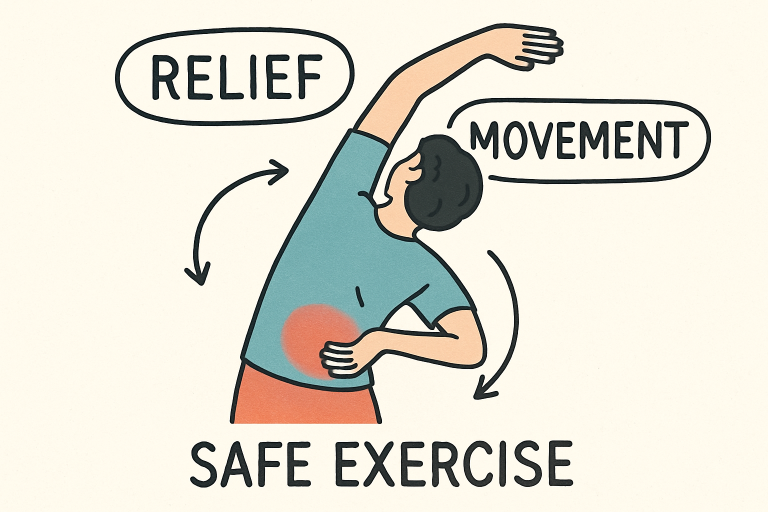
Staying active is essential for both immediate relief and long-term prevention of lower back pain recurrences. Gentle physical activity, including walking, biking, swimming, and stretching, keeps muscles supportive and flexible. Physical therapy often incorporates customized exercises to target weaknesses and imbalances that cause pain. A skilled physical therapist can demonstrate correct form, progressively increase intensity, and monitor progress. For chronic lower back pain, exercise is especially important. Routine movement prevents muscle atrophy, enhances mobility, and may lower reliance on medications. Yoga and Pilates are increasingly recommended for their blend of core stabilization and relaxation, although guidance from a certified instructor is best for those new to these practices.
Alternative Therapies: Acupuncture and Massage
Acupuncture and massage therapy are increasingly sought as adjunct options for pain relief. Some people report subjective improvements after these treatments, but available research offers mixed results regarding their effectiveness for persistent back pain. Although generally safe when performed by skilled practitioners, neither acupuncture nor massage should be considered a standalone solution. It is best to view them as complements to a more robust treatment plan, especially when evidence-based options have been maximized. For most people interested in integrative therapies, it is advisable to speak with a healthcare provider before beginning new strategies to ensure safety and coherence within a comprehensive management approach.
Ergonomics and Posture
Beyond medical and manual interventions, simple posture corrections and ergonomic adjustments may offer the greatest preventative benefits. Long stretches of sitting or poor workstation design can strain the lower back and contribute to muscle fatigue. Adjusting chairs, desks, and screens to promote a neutral spinal alignment, taking frequent movement breaks, and paying attention to posture throughout the day can help break the cycle of pain and recurrence. Supportive footwear, proper mattress support, and mindful lifting habits also support a healthy lower back. These simple changes often yield remarkable results, especially when combined with exercise and body awareness in daily routines.
When to Seek Medical Attention
Although most cases of lower back pain gradually improve with self-care, certain symptoms warrant prompt medical attention. Seek evaluation if pain persists beyond several weeks, dramatically worsens, or is accompanied by symptoms such as numbness, tingling, weakness in the legs, or changes in bladder or bowel control. Such symptoms may indicate a more serious underlying issue, such as nerve compression or spinal injury, that requires specialist care. For more comprehensive diagnostic and treatment options, a multi-disciplinary approach that includes primary care, physical therapy, and medical specialists often yields the best results.
Conclusion
Lower back pain can be disruptive, but most people find substantial relief through a combination of proven approaches. Balancing evidence-based medical interventions with daily movement, posture correction, and ergonomic improvements leads to sustained comfort and function. Always involve your healthcare team before adopting new therapies to ensure the safety and success of your recovery process.