
Business, Health and Wellness
How to Fix Team-Building Sessions Your Employees Secretly Hate

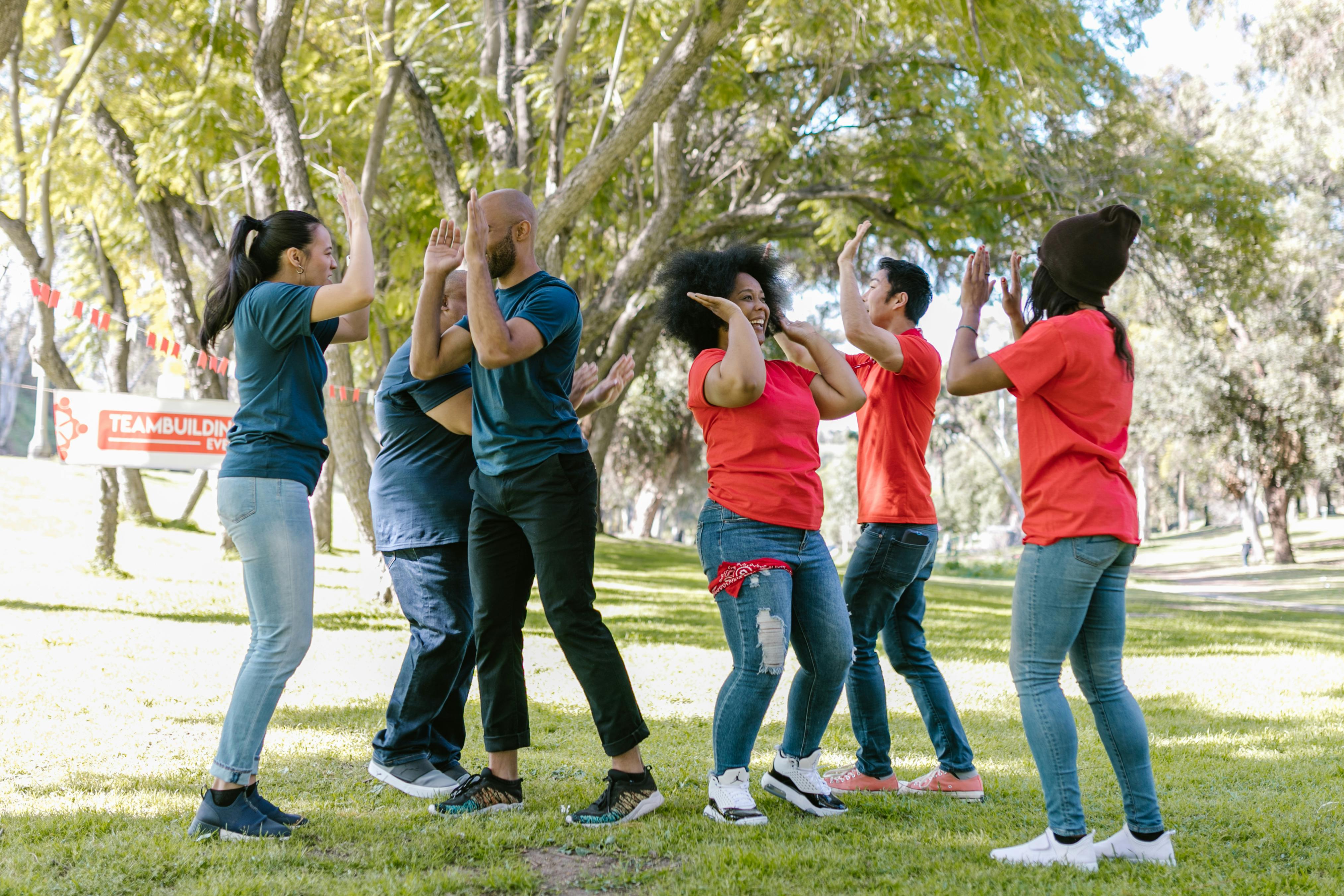
Employees usually do not hate the idea of team building. They hate the version that wastes time, feels forced, or has no clear purpose. When people are pulled away from their work for an activity that seems random, the session starts to feel like an obligation instead of support.
That is where many leaders lose the room. If the goal is unclear, people assume the event is filler. If the activity feels childish or disconnected from real work, they check out. A better team-building session starts with respect for employees’ time, attention, and intelligence.

Via Pexels
Identify the Issue Before You Design Any Plans
A team-building session should address something real. That could be weak communication, poor collaboration between departments, low trust after a stressful quarter, or a lack of clarity around decision-making. If you do not know the problem, you cannot design a useful session.
While this may seem like a “no-brainer,” most organizations skip identifying their problems before they start designing their plans. In other words, too many organizations develop plans for activities that they hope will add some value later. And that doesn’t happen. Develop a team-building event with a clear, specific objective, and your employees will respond much more positively.
Use Your Environment to Change Your Dialogue
Environment matters. Having the team building session at the same place where you typically experience deadlines, distractions, and stress is likely to inhibit honest dialogue. Using a different environment provides an opportunity for your team members to reset, refocus, and engage with each other differently.
An offsite planning session can provide an excellent opportunity for a team to accomplish its goals when done correctly. A quiet, comfortable location allows a team to focus, be more open with each other, and think beyond the next e-mail or meeting. A supportive environment that encourages better dialogue will ensure your employees feel valued, and in turn, that will make them open to real discussion for better future decisions.
Replace Forcing Fun With Engaging Team Members
Most employees don’t want a performative event. They simply want to contribute in a way that is natural and meaningful. Skip the activities that require fake enthusiasm or personal sharing with no clear reason. Use structured conversations, practical problem-solving, and discussions built around real team challenges.
Providing multiple ways for employees to be involved in the conversation is beneficial. While some employees may be willing to share their thoughts and opinions verbally in front of all their peers, others may prefer to express themselves in writing or discuss privately among fewer individuals. Good team-building events leave room for both types of participation. When employees feel safe to be honest and express themselves freely, employee involvement increases.
Follow Up: So the Session Means Something
Nothing damages team building faster than a session that leads nowhere. If employees share concerns and nothing changes, trust drops quickly. Leaders need to show what they heard, what decisions came from the discussion, and what actions will follow.
That is what turns team building into something useful. When employees can see a direct result, they stop viewing the session as a chore. They start seeing it as a serious effort to improve how the team works.
The idea that employees don’t actually hate team building, but hate badly designed team building, is spot on. Too often these sessions feel forced or disconnected from real work, which is why they end up being forgotten the next day. When you combine a meaningful purpose with the right setting, the experience can shift from mandatory fun to something genuinely valuable. That’s why venues like Bedford Village Inn make such a difference – they create a space where teams can step away from daily pressures and actually connect in a more authentic, comfortable way https://bedfordvillageinn.com
I think the real fix is shifting from generic, one size fits all activities to experiences people actually want to engage in. When team-building feels relevant, optional, and aligned with real interests, it stops being a checkbox exercise and starts creating genuine connection. That’s why I like the idea of more curated, experience-driven approaches – something along the lines of what’s showcased at https://19cleveland.com It feels less like mandatory bonding and more like creating an environment where connection happens naturally.