
Business
Building Effective Recruitment Processes for Growing Companies

Key Takeaways
- Efficient recruitment timelines prevent disruptions and keep teams productive.
- Well-crafted job descriptions and accurate titles attract the right talent and set standards for success.
- Involving multiple team members produces balanced hiring decisions.
- Structured interviews and assessments create objective candidate evaluations.
- Proactive sourcing builds a strong pipeline for future hiring needs.
As businesses expand, having an effective recruitment strategy is essential for maintaining momentum and building high-performing teams. A scalable, thoughtful hiring process ensures not only that the right people join your organization but that employee experience remains positive. Using recruitment automation software can help streamline numerous hiring tasks and keep candidates engaged throughout the process. As organizations grow, adapting and optimizing recruitment is critical for long-term success.
Recruitment is more than just filling seats. Getting it right means attracting top talent that aligns with your company’s purpose and values, while being able to respond flexibly to fluctuating business needs. Setting up robust systems creates a strong foundation for sustainable growth. Every stage, from planning to onboarding, contributes to building a team that pushes your company forward.
Clear processes, collaborative decision-making, and efficient use of technology help minimize common hiring pitfalls. They also foster transparency, speed, and a fair candidate experience. Below, we explore proven strategies and practical steps to help growing companies upgrade their recruitment process.
Establish a Clear Recruitment Timeline
Extended job vacancies can erode morale and affect business continuity. To avoid this, assign defined start and end dates to each phase of the recruitment process. Set expectations for how quickly candidates will be contacted, interviewed, and given feedback, and ensure responsibilities are clearly delegated across your team. With transparent timelines, applicants know where they stand, and hiring managers can plan their workload accordingly.
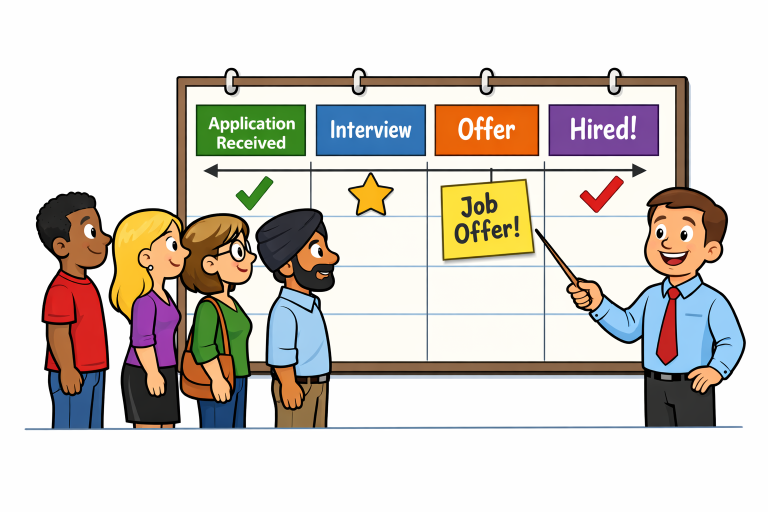
Communicating clear timelines helps create a more predictable and efficient process, ultimately making your company more attractive to top candidates. According to Harvard Business Review, organizations with structured recruitment timelines are better positioned to secure talent before competitors do.
Craft Detailed Job Descriptions and Titles
Job titles and descriptions are your first impression. They shape the pool of applicants you attract and set the stage for onboarding and retention. Write job posts that reflect not only the required skills and experience, but also cultural and organizational fit. Avoid jargon or overly broad language. Be upfront about expectations, reporting structures, and opportunities for growth so candidates know what they are applying for.
Spend time collaborating with the team to refine each job description. Clarity at this stage saves time later. Ambiguous or inaccurate postings can lead to mismatched applicants, wasted interviews, and ultimately poor retention rates.
Involve Multiple Stakeholders
Hiring should be a team event. Bringing in various team members to participate at different stages of the recruitment process results in better hiring decisions and helps ensure each candidate fits the company culture and the specific job demands. Involving stakeholders from different departments also introduces diverse perspectives and helps reduce unconscious bias.
According to Inc., collaborative hiring processes not only improve the quality of hires but also increase buy-in from the broader team. Allow space for feedback from hiring managers, future teammates, and even other leaders who interact with the role.
Implement Structured Interview Plans
Standardizing interviews ensures fairness and consistency. Create a checklist or scorecard outlining key qualifications, skills, and values you want to assess. This helps interviewers focus on objective data, makes comparisons easier, and supports better hiring decisions. Provide training to all team members involved in interviews to ensure the process is equitable and effective.
Structured assessments also make it easier to provide specific feedback to candidates, regardless of outcome. This transparent approach strengthens your employer brand and encourages rejected applicants to reapply in the future or recommend your company to others.
Build a Talent Pipeline
Relying solely on job postings when you are. It helps ease the opening pressure, but it can lead to rushed hiring decisions. Instead, dedicate time to proactive sourcing, reach out to promising passive candidates, and maintain relationships with former applicants. Encourage employee referrals as well. Having a warm pipeline of potential hires ensures your business stays agile and can fill critical gaps quickly.
Cultivating a talent pool means you are not starting from scratch with each new vacancy. Keep communication lines open so prospects stay informed about your company and consider you an employer of choice.
Leverage Technology in Recruitment
Recruitment technology can dramatically improve process efficiency. Applicant tracking systems and automation tools help manage large volumes of candidates, schedule interviews, and even communicate automatically with applicants. This reduces administrative overhead and allows your team to focus on more strategic tasks, such as relationship building.
Technology also provides useful analytics, helping you track which sourcing channels work best, how long each stage takes, and where drop-offs occur. This insight guides further optimization and ensures continual process improvement.
Focus on Candidate Experience
Providing candidates with an organized and respectful experience speaks volumes about your culture. Respond to queries promptly, give updates even if they are not moving forward, and offer feedback where possible. Simple gestures, such as clear instructions or a warm welcome during interviews, can leave a lasting impression and foster positive word of mouth.
Fostering a positive candidate journey can pay dividends by strengthening your employer brand and growing your applicant pool organically. Satisfied candidates are far more likely to accept job offers and refer other talented professionals to your company.
Continuously Evaluate and Improve
As your company grows and the team evolves, revisit and refine recruitment processes. Solicit feedback from new hires and interviewers after every hiring round to identify pain points and opportunities. Regular review ensures your approach stays current, inclusive, and effective.
Piloting small changes and tracking their impacts with data can help you scale your hiring procedures without losing the personal touches that attracted top talent in the first place.
Implementing these strategies forms a foundation for long-term recruitment success. Well-designed processes benefit your company, candidates, and new hires alike, ensuring sustainable, rewarding organizational growth for everyone involved.