
Auto/Vehicle
Five Ways to Give a Luxury Car More Personality Without Losing Its Class
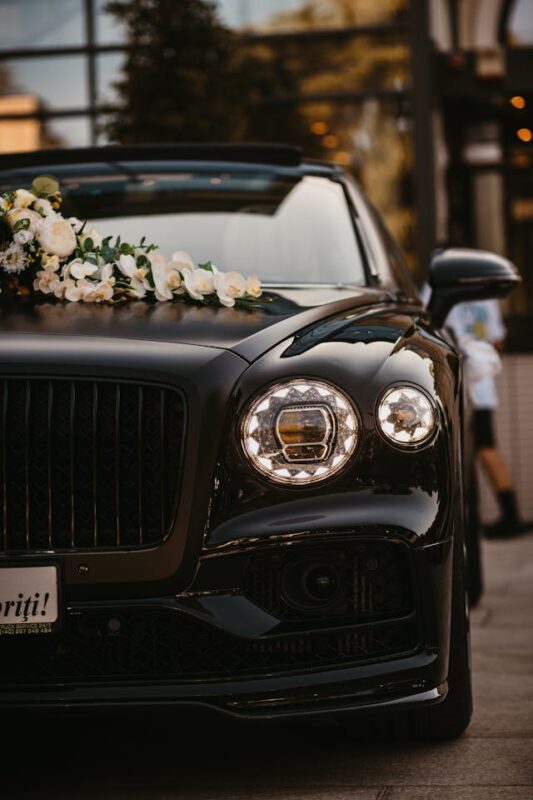
Luxury car owners who want a sharper look need upgrades that add presence without fighting the car’s factory design. Chrome trim, polished accents, smoked details, and dark add-ons can clash when they are chosen separately. A refined upgrade plan starts with the finishes already on the body, then builds around them with restraint.
Small exterior choices matter because resale value and daily appearance can depend on parts that are difficult to undo once installed. Too many finishes, mismatched lighting, worn badges, or poorly matched wheels pull attention to the wrong spots and make the car look patched together. A tighter plan makes it easier to compare trim details, lighting temperature, exterior accents, wheel finish, and interior touchpoints before buying parts.
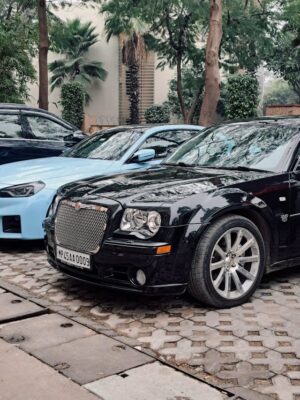
Match the Exterior Finish to the Car’s Existing Trim
Wheel finish works best when it follows the car’s existing design language instead of acting like a separate style move. Start with the paint depth, brake color, lower body trim, and factory accent pieces, then narrow the finish to one that supports those elements. Gloss black can sharpen a darker theme, while graphite, satin silver, brushed metal, or tinted clear finishes can keep the look refined on lighter or more polished builds.
Premium options from luxury brands like Vossen wheels work best when the finish, size, offset, and concavity support the vehicle’s proportions instead of fighting them. Before choosing a set, compare styles by vehicle, diameter, width, bolt pattern, and finish so the upgrade fits the car as well as it matches the design. A wheel that looks refined in photos can feel too aggressive if the sizing or finish does not suit the body shape, so checking fitment first helps the final setup look clean, balanced, and intentional.
Limit the Exterior Color Palette
Luxury exteriors look strongest when the main paint, trim, lighting, and accent pieces stay within two or three visible tones. Bright calipers, smoked lenses, dark badges, polished trim, and colored accessories can compete when they are added without a clear order. That mix becomes more noticeable on premium body lines because small finish conflicts are easier to spot across long panels and reflective surfaces.
Keeping the palette limited helps every upgrade look planned instead of scattered. Satin black accents, brushed metal details, body-color pieces, or tinted trim can each work when the surrounding finishes support the choice. Remove faded decals, worn emblems, mismatched plate frames, and leftover vinyl before adding new accents, then check the car in daylight and shade so the next finish lands cleanly.
Update Lighting With a Factory-Clean Look
Lighting works best when it makes the car look current without pulling attention away from the overall design. Hazy lenses, uneven bulb color, or one overly blue lamp can make a luxury front end look older and less refined. Restoring lens clarity first gives headlights, fog lights, plate lights, and entry lights a cleaner baseline before any bulb upgrade is considered.
Color temperature needs to stay consistent across the vehicle. A clean white range keeps the exterior balanced at night and avoids the icy-blue look that can feel aftermarket. Before installing bulbs, check Kelvin rating, beam pattern, flicker risk, and dashboard warning codes so the upgrade looks factory-clean rather than patched together and still performs correctly on the road.
Clean Up Badges, Trim, and Exterior Details
Small exterior details can decide if a luxury car looks polished or unfinished. Faded trunk lettering, cloudy trim strips, loose emblems, tired door-handle surrounds, and bent plate frames stand out because they sit close to paint and polished surfaces. Replacing worn pieces first gives the car a cleaner base for larger upgrades and keeps attention on the design instead of small flaws.
Exterior accents work better when they follow one finish direction instead of spreading different textures across the car. Use a black badge kit, carbon mirror cap, or subtle trim replacement with restraint, so the detail supports the body lines instead of competing with them. Once the parts are selected, confirm that each piece matches in placement, sheen, and fit so both sides of the car feel balanced.
Upgrade the Cabin Details That Drivers Touch Daily
Cabin upgrades can add personality without changing the car’s original layout. Worn floor mats, scuffed door sills, faded pedal faces, and a tired shift knob make the interior feel older than the exterior suggests. Replacing those touchpoints with clean-fitting mats, fresh sill protection, and properly finished pedals helps the cabin feel cared for without making it look aftermarket.
Material match matters because luxury interiors depend on texture, sheen, and fit. Accessories work best when they follow OEM-style leather, metal, carbon fiber, or suede-like finishes instead of shiny plastic pieces that break the factory look. Phone mounts, chargers, and dash camera wiring should be routed along seams and edges so the cabin stays clean when screens are off and doors are open.
A refined upgrade plan works best when every change supports the car’s trim, proportions, and finish balance. Match new parts to the factory chrome, black, brushed, or body-color details before changing badges, lighting, or accent pieces. A limited exterior palette keeps the car polished, while clean lighting helps the design look current without feeling aftermarket. Fix worn badges, cloudy trim, faded hardware, and small exterior flaws first, since those details can make larger upgrades feel disconnected. The final result should look intentional from every angle, with premium choices like Vossen wheels supporting the car’s original class instead of overpowering it.