
Health and Wellness
Modern Solutions for Replacing Missing Teeth: Your Options Explained

Key Takeaways
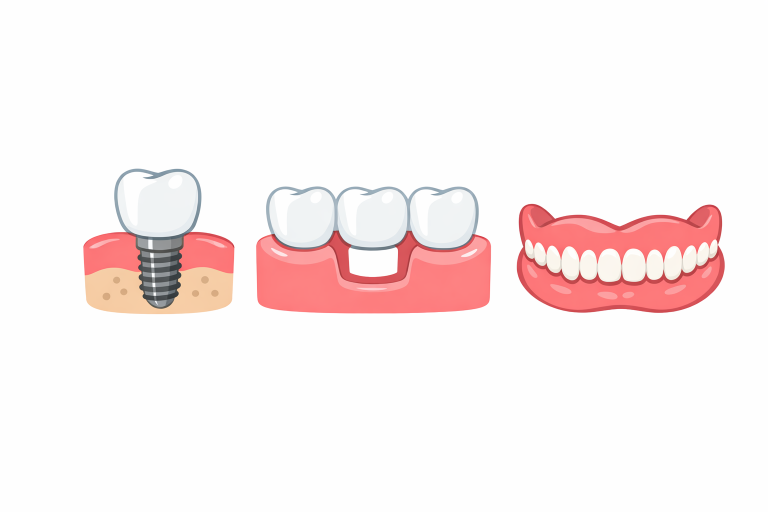
- Modern tooth replacement options include dental implants, bridges, and dentures, each offering unique advantages.
- Choosing the right method depends on personal needs, oral health, and lifestyle considerations.
- Recent dental technology has greatly enhanced the performance and appearance of replacement teeth.
Missing teeth impact much more than appearance. Gaps in your smile can cause difficulty chewing, changes in speech, and shifts in the alignment of your remaining teeth. Fortunately, dental implants and other advanced options now offer long-lasting and natural-looking results for people of all ages.
Missing teeth can cause long-term issues like bone loss and shifting teeth. Modern restorative dentistry offers solutions to restore function and confidence, making eating, speaking, and smiling easier. Acting quickly prevents secondary problems, as delays can lead to food accumulation, difficulty cleaning, and increased risk of gum disease or further tooth loss. When choosing, consider medical history, budget, and lifestyle, since not all options suit everyone.
Understanding Tooth Loss and Its Implications
Teeth can be lost due to trauma, severe decay, gum disease, or congenital issues. Beyond the obvious cosmetic concerns, untreated tooth loss can result in:
- Reduced ability to chew and digest properly
- Pronunciation difficulties and changes in speech
- Drifting and misalignment of neighboring teeth
- Progressive loss of jawbone volume, potentially altering facial structure
Prompt intervention is crucial to prevent these problems and sustain your oral and overall health.
Dental Implants: A Permanent and Natural-Looking Solution
Dental implants are artificial tooth roots, primarily made of titanium, that are securely anchored in the jawbone. They offer significant advantages, such as durability, lasting decades with proper care; jawbone preservation, as they mimic the stimulation of natural teeth; and natural aesthetics, closely resembling real teeth both visually and functionally. The implant procedure involves oral surgery, imaging, and a healing phase where the bone integrates with the implant post before a permanent crown is placed. Candidates must have adequate bone structure and healthy gums for successful outcomes. Dental implants can also support various restorative dental appliances, including bridges and full-arch dentures, providing a stable foundation and enhancing patient confidence by allowing them to engage socially without hesitation. Advances in materials and technology have further improved the realism of modern implants, making them virtually indistinguishable from natural dental tissues.
Dental Bridges: Closing Gaps without Surgery
Dental bridges are dental prosthetics that replace missing teeth by attaching artificial teeth (pontics) to crowns on adjacent healthy teeth. Their advantages include not requiring surgery, providing quicker results, usually completed within weeks, and being more affordable initially compared to implants. However, a significant disadvantage is that they require altering nearby healthy teeth to accommodate the crowns. Furthermore, bridges do not prevent jawbone loss, as they sit above the gumline and do not stimulate the roots. Patients often favor bridges for their straightforward procedure and fast recovery. These bridges are crafted from robust, aesthetically pleasing materials like porcelain or zirconia, ensuring they blend seamlessly with natural teeth. With proper maintenance and regular dental check-ups, bridges can function effectively for many years, though they may eventually need repairs or replacement. Dentists often suggest bridges for individuals who are not eligible for implants due to medical issues, inadequate bone density, or financial reasons.
Dentures: A Flexible and Cost-Effective Choice
Dentures are removable appliances that replace missing teeth and adjacent structures. They are primarily categorized into two types: Partial Dentures, used when some natural teeth remain, and Complete Dentures, custom-made for individuals missing all teeth in an arch. They are favored for their affordability, non-invasive nature, and customization, providing improved comfort and a more natural appearance. However, users may face slight shifting and an adjustment period affecting speech and taste. Modern dentures are lighter and crafted from advanced, stain-resistant materials, with enhancements in adhesives and fitting techniques improving stability. Some patients opt for implant-supported dentures, which combine the benefits of traditional dentures with implants, offering greater stability and improving the overall experience for users facing challenges with conventional full dentures.
Innovations in Tooth Replacement Technology
Exciting advances in dentistry have led to breakthroughs such as resin-bonded ceramic bridges, minimally invasive restorations, and 3D imaging for improved implant placement. For example, resin-bonded restorations can preserve more of your enamel and are ideal for front tooth replacements where appearance is paramount.
Another key innovation is the use of digital dentistry in the planning and manufacturing of dental prosthetics. Advanced imaging, such as CBCT scans and intraoral scanners, provides precise data, resulting in restorations that are more comfortable and better fitting than ever before. The use of computer-guided implant placement allows minimally invasive procedures and faster recovery times. New materials, such as high-strength ceramics, offer improved durability and a more lifelike appearance for crowns, bridges, and dentures alike.
How to Select the Right Solution
When evaluating tooth replacement options, dentists consider several factors, including oral health status, financial considerations, and personal habits. Oral health factors, such as bone health and gum condition, can limit choices, while financial factors weigh initial costs against long-term value and maintenance expenses. Personal habits, including the level of care individuals are willing to provide, also play a crucial role. A thorough consultation with a dental professional is essential for matching unique needs to the best solution. Additionally, aesthetic goals and tolerance for maintenance influence decisions; some may prioritize a natural appearance, while others may prefer less upkeep. Discussing preferences regarding durability, future adjustments, and recovery times during the consultation can help refine choices. Ultimately, the ideal solution will seamlessly integrate into one’s lifestyle, enhancing both oral health and self-confidence.
Conclusion
Today’s dental restoration options provide effective solutions for replacing missing teeth, restoring appearance, and oral function. Understand each option’s strengths and limitations to work with your dental care provider to choose the best solution for your health, comfort, and lifestyle. Staying proactive, including promptly replacing missing teeth, can prevent complications and maintain a bright smile. Whether you choose implants, bridges, or dentures, investing in quality tooth replacement allows you to eat, speak, and live fully. Seek professional advice and prioritize oral health in your wellness journey.