
Health and Wellness
Advanced Cardiac Life Support: A Vital Tool in Emergency Response

Table of Contents
- Understanding ACLS
- Key Components of ACLS
- Training and Certification
- ACLS in Prehospital Settings
- Impact on Patient Outcomes
- Challenges and Future Directions
- Conclusion
Advanced Cardiac Life Support (ACLS) holds a pivotal place in the management of serious cardiovascular emergencies. As the incidence of cardiac events continues to rise, the importance of rapid, effective intervention grows. The protocols and training provided through ACLS enable healthcare providers to respond confidently in critical situations. For those looking to develop this essential skill set, pursuing ACLS certification online is an accessible way to advance both competence and career readiness. ACLS is designed to offer more than just immediate aid; it encompasses a range of advanced skills and interventions that can mean the difference between life and death. Understanding these protocols and their impact is crucial for anyone involved in emergency medical care.
Understanding ACLS
ACLS is built on a foundation of evidence-based clinical interventions for the rapid management of cardiac arrest, stroke, and other severe medical emergencies. The core philosophy extends Basic Life Support by incorporating advanced airway management strategies, administering life-saving medications, and using defibrillation techniques tailored to a wide range of cardiac events.
The development and regular revision of ACLS protocols reflect ongoing research and clinical advancements. As a result, healthcare providers must stay up to date to maintain the highest standards of patient care. The guidance and standards set by the American Heart Association continually inform ACLS updates, ensuring that practitioners are equipped with the best tools to improve survival rates. For an extensive background on ACLS guidelines, readers can refer to the resources provided by the Centers for Disease Control and Prevention.
Key Components of ACLS
The effectiveness of ACLS depends on several key elements, each designed to address specific threats during a cardiovascular emergency:
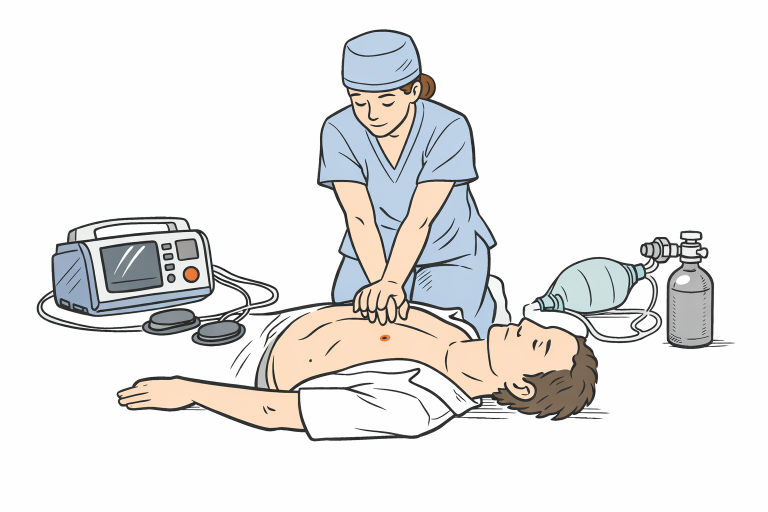
- Airway Management: Techniques such as endotracheal intubation or supraglottic airway devices are used to establish and maintain a clear airway, ensuring optimal oxygen delivery to the patient.
- Breathing Support: Providers implement ventilation and oxygenation strategies, such as bag-valve-mask ventilation, to preserve vital organ function during resuscitation.
- Circulation: Continuous high-quality chest compressions and immediate defibrillation, when indicated, support effective circulation and improve outcomes in cardiac arrest.
- Drug Therapy: Medications such as epinephrine and amiodarone are essential tools for correcting life-threatening cardiac rhythms and stabilizing the patient.
- Post-Resuscitation Care: Intensive monitoring and additional interventions after the return of spontaneous circulation help improve neurological recovery and overall survival rates.
Training and Certification
Becoming ACLS certified requires healthcare professionals to undergo comprehensive education, including scenario-based simulations, memorization of algorithms, and regular hands-on practice. The process is rigorous and designed to ensure that every provider can recognize, assess, and manage complex cardiovascular emergencies effectively. Certification is typically renewed every 2 years, and ongoing education is required to stay up to date on protocol changes and advancements.
ACLS in Prehospital Settings
The role of ACLS-trained professionals begins long before a patient reaches the hospital. In prehospital settings, such as those managed by Emergency Medical Services (EMS), paramedics equipped with ACLS skills can initiate life-saving interventions at the scene, often leading to higher survival rates. In cities where advanced life support ambulances are deployed, these vehicles are essentially mobile extensions of the hospital, bringing critical care directly to the patient. Their prompt response reduces time to treatment for emergencies such as cardiac arrest, a key factor in determining patient outcomes. Additional details on prehospital cardiac care are available from the National Highway Traffic Safety Administration’s Office of EMS.
Impact on Patient Outcomes
Numerous studies have documented the substantial benefits of timely ACLS interventions. Research consistently shows that patients who receive swift, advanced interventions during cardiac emergencies experience significantly better survival and neurological outcomes. The American Heart Association highlights the importance of rapid assessment and the implementation of evidence-based algorithms. Immediate action and adherence to updated guidelines can make a critical difference in survival rates for patients suffering from conditions such as sudden cardiac arrest or acute stroke.
Challenges and Future Directions
Despite demonstrated benefits, there are notable challenges to ACLS practice and implementation. These include the need for continual, up-to-date training, resource limitations in certain regions or facilities, and variability in protocols. Looking to the future, promising advancements include integrating novel resuscitation technologies, embracing new pharmacological insights, and refining intervention protocols. Additionally, there is a growing push to improve public recognition of cardiac emergencies, increase access to bystander CPR training, and ultimately boost early response rates outside of the hospital.
Conclusion
ACLS is a foundational aspect of emergency medical care, equipping professionals with advanced knowledge and practical tools to manage cardiovascular crises effectively. Through ongoing education, adherence to updated protocols, and the integration of innovative medical technologies, healthcare providers can maximize the positive impact of ACLS, ultimately enhancing survival and patient outcomes in life-threatening emergencies.
The NY-Life-Accident-and-Health Exam Preparation Guide is a comprehensive study resource designed to help candidates prepare for the New York Life, Accident, and Health insurance licensing exam. It covers essential topics such as insurance principles, life insurance policies, health insurance plans, annuities, state regulations, ethics, and consumer protections. With easy-to-understand explanations, practice questions, and exam-focused content, this guide helps aspiring insurance professionals build confidence and prepare effectively for exam success.