
Health and Wellness
How Community Activities Can Support a Healthier Lifestyle As You Get Older
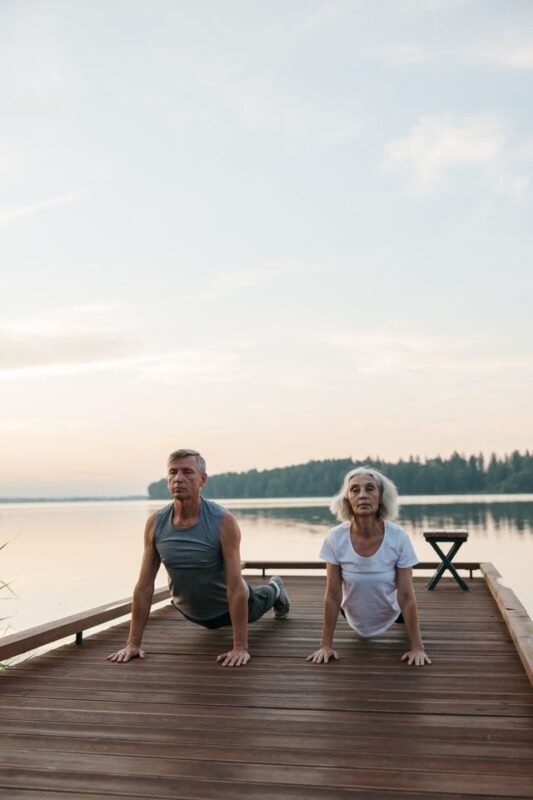
Staying healthy in later life is not only about eating well or attending regular medical appointments. Social connection, purposeful activities, and a sense of belonging can also make a meaningful difference to physical and emotional wellbeing. Community activities provide opportunities to stay active, meet new people and build routines that support a more fulfilling lifestyle.
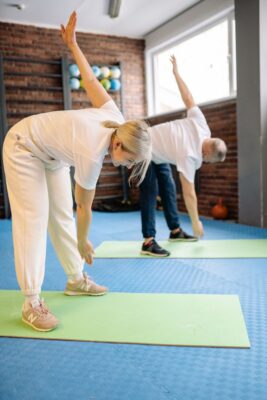
Encouraging Regular Movement
Community activities can make exercise feel more enjoyable and less like a chore. Walking groups, gardening clubs, dance classes and gentle fitness sessions all encourage regular movement in a supportive environment.
Physical activity can help maintain strength, balance, flexibility and mobility, which may make everyday tasks easier. Group-based activities can also provide extra motivation. It is often easier to attend a class or go for a walk when other people are expecting you to join them.
The activity does not need to be intense to be valuable. A gentle stroll, an hour spent tending a shared garden or a seated exercise session can all contribute to a more active routine.
Supporting Social Connection
Loneliness and isolation can affect people at any stage of life, but changes such as retirement, bereavement or moving home can make it harder to maintain social connections. Community activities create natural opportunities to meet others without placing pressure on people to form friendships immediately.
Regular coffee mornings, craft groups, book clubs and shared meals allow conversations to develop over time. Seeing familiar faces each week can create a sense of comfort, routine and belonging.
Living in a supportive community can make it easier to access these opportunities. For example, choosing a retirement village in Cranleigh may provide residents with convenient ways to take part in social events, shared interests and organised activities close to home.
Keeping the Mind Engaged
Mental stimulation is another important part of a healthy lifestyle. Learning new skills and taking part in creative or educational activities can help keep the mind active while also building confidence.
Language lessons, quizzes, art workshops, music groups and guest talks can introduce fresh ideas and encourage curiosity. Digital skills sessions may also help older adults feel more confident using technology to communicate, shop or manage appointments.
The most effective activities are often those that feel enjoyable rather than demanding. Even trying something new for a short period can provide a sense of achievement.
Creating Purpose and Routine
Community involvement can give structure to the week, particularly after retirement. Having regular activities to look forward to may encourage people to maintain healthy sleep patterns, get dressed, leave the house, and stay engaged with their surroundings.
Volunteering can be especially rewarding. Supporting a local charity, helping to organise events or sharing professional skills can provide a strong sense of purpose. It also allows older adults to continue contributing their experience and knowledge to the wider community.
Finding Activities That Suit You
There is no single activity that suits everyone. Some people enjoy busy social events, while others prefer smaller groups or quieter hobbies. The key is to find opportunities that match personal interests, energy levels and mobility.
By taking part in community activities, older adults can support their physical health, emotional wellbeing and social confidence. Whether through exercise, learning, volunteering or simply spending time with others, staying connected can help make later life healthier, more enjoyable and more rewarding.
Working as a caregiver in Dubai, I see every day how community activities help older adults stay physically active and emotionally happy. Spending time with others, joining simple activities, and keeping a routine can make a big difference to their overall wellbeing. These moments help reduce loneliness and build confidence. This is a valuable reminder for every caregiver like me.