
Technology
Five Features Special Forces Need in a Counter Drone Solution
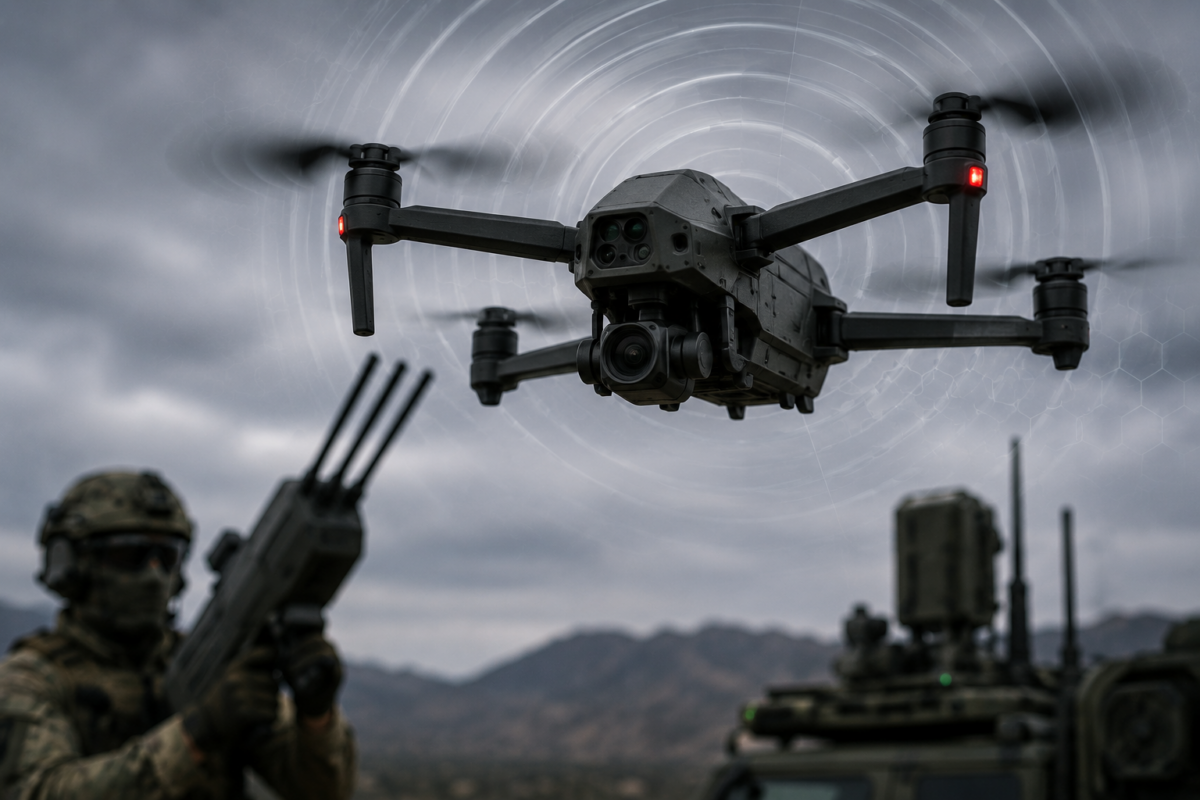
Small unmanned aircraft have changed how military operations unfold, creating new challenges for elite teams that operate in high-risk environments. A successful mission depends on rapid decisions, dependable equipment, and the ability to respond before an aerial threat affects personnel or objectives. A well-designed counter drone capability supports those priorities by strengthening force protection without disrupting tactical movement. The following features explain what special forces should evaluate when selecting an effective counter-drone solution.
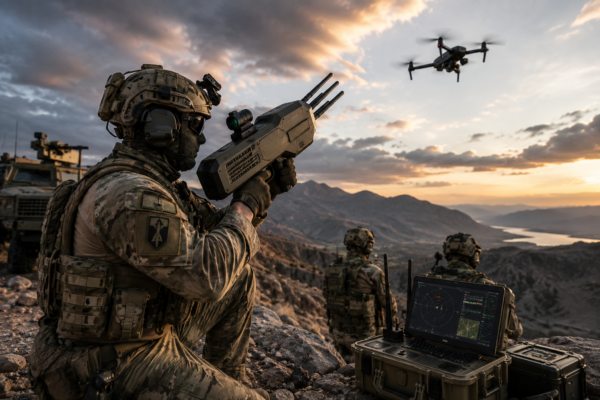
1. Rapid Threat Detection and Positive Target Identification
Mission success depends on recognizing an aerial threat before it reaches a critical position. Counter-drone solutions for special forces should combine rapid detection with accurate target identification, allowing operators to distinguish hostile aircraft from friendly or authorized unmanned platforms. Clear target discrimination supports informed decisions and reduces unnecessary engagement.
Detection speed alone cannot deliver effective protection. A dependable solution should maintain continuous target tracking after identification, giving operators reliable situational awareness as conditions evolve. Accurate information allows command personnel to coordinate responses quickly without interrupting operational momentum.
2. Lightweight Equipment That Preserves Tactical Mobility
Special operations teams already carry weapons, communications equipment, medical supplies, and mission-specific gear. Every additional pound affects endurance, movement speed, and overall efficiency. A compact counter-drone platform helps personnel remain mobile without sacrificing defensive capability.
Equipment designed for portability adapts well to urban settings, rugged mountains, dense vegetation, and remote operational areas. Quick relocation allows teams to adjust as objectives change, making mobility an essential part of mission readiness rather than a secondary consideration.
3. Dependable Performance in Contested Operational Conditions
Environmental conditions should never reduce operational confidence. Heat, rain, dust, uneven terrain, and extended field deployments require equipment built for consistent performance under pressure. Reliable operation allows personnel to focus on tactical objectives instead of equipment limitations.
Modern battlefields may also include electronically contested environments where certain countermeasures become less effective. A dependable capability should continue supporting operators under these demanding conditions, providing confidence throughout critical missions. Counter-drone solutions for special forces built for consistent field performance strengthen operational readiness across diverse mission profiles.
4. Fast Response With Minimal Additional Training
Special forces cannot afford lengthy setup procedures when facing evolving aerial activity. A capable solution should move quickly from detection to engagement without requiring extensive additional training or disrupting established tactical procedures. Simple operation allows personnel to remain focused on mission execution instead of complicated system management.
Operational Benefits
An efficient platform should provide:
- Rapid transition from detection to engagement.
- Intuitive controls that support quick decisions.
- Accurate tracking throughout target movement.
- Minimal additional training for qualified operators.
- Fast deployment within existing operational procedures.
These capabilities help maintain mission tempo while reducing unnecessary complexity in fast-moving situations.
5. Compatibility With Existing Tactical Equipment
A counter-drone capability delivers greater value when it fits naturally into existing weapons, equipment, and operational methods. Special forces benefit from solutions that support established loadouts without forcing significant changes to proven mission procedures. Compatibility allows teams to strengthen force protection while preserving operational efficiency.
Mission Support Advantages
Effective compatibility supports:
- Smooth integration with existing tactical equipment.
- Better coordination between mission elements.
- Reliable support for established operational methods.
- Faster readiness before deployment.
- Stronger force protection throughout mission execution.
Equipment designed to complement existing capabilities allows military organizations to improve operational effectiveness without disrupting familiar workflows.
Modern military operations require counter-drone capabilities that combine rapid threat identification, lightweight construction, dependable field performance, efficient response, and compatibility with established tactical equipment. These qualities help special forces strengthen force protection while maintaining operational effectiveness in demanding environments. Careful evaluation of these features supports informed procurement decisions and contributes to successful mission execution against evolving aerial threats.