
Baby
How to Keep a Diaper Pail From Smelling: Proven Nursery Odor Control Strategies
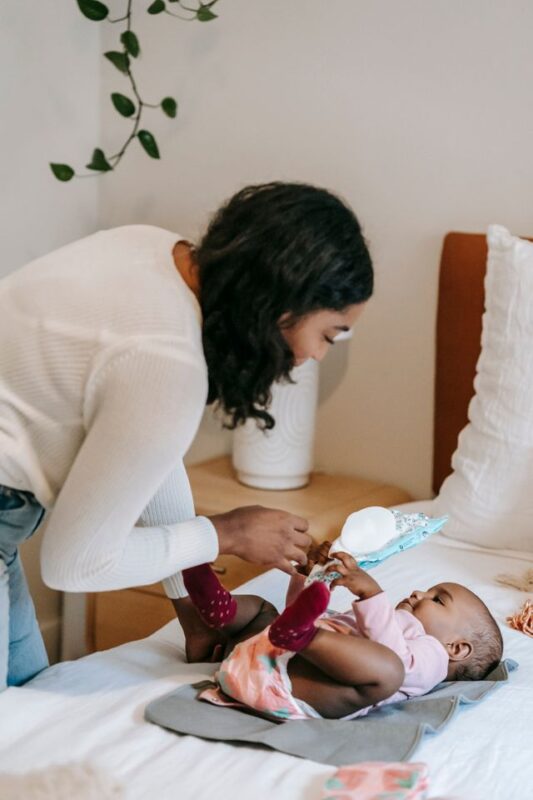
Navigating infant care requires balancing endless feeding schedules, laundry cycles, and changing routines, where managing nursery freshness often becomes an unexpected hurdle. While a designated disposal system keeps discarded diapers organized and off the floor, even well-engineered models can eventually trap persistent smells if neglected. Parents seeking a seamless daily routine often rely on a high-performing Momcozy odor locking diaper pail to trap trapped air and keep the room fresh, but maintaining a completely odor-free environment over several months requires a few strategic habits. Understanding why these storage systems hold onto unpleasant smells—and how to proactively stop them—can significantly simplify your daily nursery routine.

Why Diaper Pails Trap Unpleasant Odors
To eliminate persistent smells, it helps to understand why they develop in the first place. Diaper storage systems operate in a unique environment where moisture, dark spaces, and organic waste intersect.
The Role of Trapped Moisture and Micro-Climates
When a wet or soiled diaper is dropped into a bin, trapped moisture creates a localized high-humidity micro-climate. Bacteria thrive in damp, dark environments. Over hours or days, anaerobic bacteria break down organic material, releasing volatile organic compounds (VOCs) that register as harsh, lingering odors. If the lining or inner body absorbs this moisture, the smell remains long after the actual waste has been removed.
Plastic Porosity vs. Odor Absorption
Most household plastics are slightly porous on a microscopic level. Standard polypropylene or polyethylene can gradually absorb scented molecules and volatile compounds over extended exposure. Once these molecules settle inside the plastic resin, standard wiping with surface sprays rarely reaches them. This explains why a bin might smell unpleasant even when empty and fitted with a brand-new liner bag.
Mechanical Air Displacement
Every time the lid or flap opens, air moves. Pushing a fresh diaper into the receptacle forces an equal volume of trapped air out into the nursery. Systems that lack a dual-barrier design, spring-loaded seal, or airtight gasket inadvertently release a small puff of stale air with every single use.
Strategic Daily Practices for Better Odor Control
Preventing harsh smells from developing starts with small adjustments to your daily diaper-changing routine. Implementing a few foundational habits drastically reduces the workload on your disposal unit.
- Solid Waste Disposal First
One of the most effective ways to reduce nursery odor is to flush solid waste down the toilet whenever feasible, particularly once your baby transitions to solid foods. Infant stool contains the highest concentration of odor-producing bacteria. Dropping a heavily soiled diaper directly into a pail traps that waste to ferment. By scraping or shaking solid waste into the toilet before wrapping the diaper, you significantly cut down the organic matter producing smells inside the bin.
- Wrap and Seal Diapers Tightly
Never drop a loosely folded or open diaper into the pail. Roll the diaper tightly inward, using its adhesive tabs to secure it into a compact ball. For exceptionally messy diapers, consider wrapping them inside a small biodegradable sack or reusable pouch before placing them into the primary bin. This double-barrier method isolates moisture and prevents soil from contacting the inner walls or mechanism of your disposal unit.
- Avoid Overstuffing the Bin
It can be tempting to squeeze “just one more diaper” into the pail to delay taking out the trash. However, overstuffing forces diapers against the sealing mechanism, preventing lids, traps, or gaskets from closing completely. When seals are propped open by overpacked liners, odor leaks continuously into the nursery. Empty the bin once it reaches the designated fill line or every two to three days, whichever comes first.
Material and Feature Choices: What Makes a Difference?
When evaluating dirty diaper storage setups, structural features play a central role in long-term odor confinement. Steel and powder-coated metals are non-porous and do not absorb odor molecules over time, while standard plastic can absorb smells and needs deeper deodorizing. Metal units are often paired with heavy rubber gaskets; plastic units rely on rubber or silicone seals that need regular wiping.
Metal vs. Plastic Construction
Steel and powder-coated metals are non-porous materials. Unlike standard resin plastics, metal walls will not absorb organic odor molecules regardless of how long waste sits inside. While plastic pails are often lightweight and budget-friendly, they require more frequent deep cleaning to prevent long-term lingering smells.
Continuous Refill Liners vs. Standard Trash Bags
Specialized diaper disposal systems frequently utilize continuous film liners designed with multi-layer barrier plastics. These multi-layer films are specifically engineered to block gas transmission, whereas standard kitchen trash bags are thin and porous enough to allow smells to slowly diffuse through the bag wall over 24 to 48 hours. Using purpose-built refills provides an essential secondary line of defense.
Step-by-Step Deep Cleaning and Deodorizing Routine
Even with ideal daily habits, every diaper trash unit requires routine deep cleaning. Plan to sanitize your pail once every two to four weeks to reset the interior surfaces.
Step 1: Empty and Air Out
Remove the existing liner completely and discard all contents. Take the unit out to a balcony, porch, or well-ventilated space. Open all lids, internal flaps, and trap doors to allow fresh air to circulate through the unit for 15 to 30 minutes.
Step 2: Wash with Mild Soap and Warm Water
Avoid harsh industrial solvents, abrasive scouring pads, or concentrated bleach mixtures, which can scratch plastic finishes or erode silicone gaskets. Instead, mix mild dish soap with warm water. Using a soft microfiber cloth, thoroughly wipe down all surfaces, paying close attention to the underside of the primary lid, the rubber or silicone sealing gaskets, the rim where refill bags rest, and the internal bottom basin where condensation settles.
Step 3: Neutralize Smells with Natural Absorbers
Make a light paste using baking soda and water, apply it to plastic interior surfaces, let sit for 20 minutes, then wipe clean. Or mist equal parts distilled white vinegar and water, rest for 10 minutes, and wipe completely dry.
Step 4: Complete Drying Before Reloading
Never insert a fresh bag or close the lid while interior surfaces remain damp. Trapping residual cleaning water inside creates the exact high-humidity environment that fuels mold and bacterial growth. Allow all components to air-dry completely in sunlight or wipe them thoroughly with a dry towel.
Absorbers and Inserts: Enhancing Nursery Freshness
Activated charcoal bags trap moisture and volatile organic compounds—reactivate in sun monthly and replace every 6–12 months. Baking soda pods neutralize acidic odor molecules and should be replaced every 30–60 days. Use essential oil disks lightly and only with infant-safe scents if you choose fragrance at all.
Activated Charcoal Inserts: Placing a small mesh bag of activated charcoal inside the bottom of the pail—underneath the bag liner—continuously captures escaping gases without adding synthetic perfumes to your nursery air.
Baking Soda Disks: Securing a baking soda deodorizing disc under the lid helps absorb rising smells before they reach the main lid seal.
Optimal Nursery Placement and Airflow
Keep the unit away from radiator vents, baseboard heaters, and direct sunlight. Maintain room ventilation and avoid enclosing the pail in a closet. Pairing the changing area with an air purifier that has an activated carbon filter helps capture airborne VOCs.
Frequently Asked Questions
Why does my diaper pail still smell after I empty it?
If an empty pail continues to emit smells, odor molecules have likely penetrated the plastic resin walls or settled into the silicone seals. Perform a deep clean using a baking soda scrub followed by a diluted vinegar spray, then leave the bin open outdoors in direct sunlight for a few hours.
Can I use standard kitchen trash bags in a diaper disposal bin?
While standard kitchen trash bags may physically fit inside certain models, they generally lack the multi-layer film technology found in dedicated refills. Dedicated multi-layer film liners are far more effective at locking in moisture and vapor.
How often should I clean and sanitize my diaper pail?
A quick surface wipe-down should be done weekly or whenever a spill occurs. A thorough deep clean should be performed every two to four weeks depending on usage volume.
How can I stop smells from escaping when opening the pail lid?
Ensure diapers are rolled extremely tight before dropping them in. Avoid stuffing the bin past its fill line, and keep an activated charcoal filter attached inside the top lid.
Keeping Nursery Air Fresh Long-Term
Managing nursery odors does not require complicated routines or harsh chemical sprays. By selecting a well-designed system such as the Momcozy Triple-Seal Diaper Pail, establishing a consistent weekly maintenance schedule, and leveraging natural absorbers like baking soda and charcoal, you can easily keep your baby’s nursery clean, fresh, and inviting throughout your diapering journey.
We provide services in the field of printing such as: printing banners, printing books, printing notes, printing books, printing theses, printing business cards, printing ID cards, printing company profiles, etc. There are actually many more, and here I’m sorry I can’t give each one 1 by one, so I’ll just keep it short and give a little explanation. Thank You
Percetakan Buku Murah Jakarta