
Auto/Vehicle
Tips for Avoiding Bad Carrier Partnerships
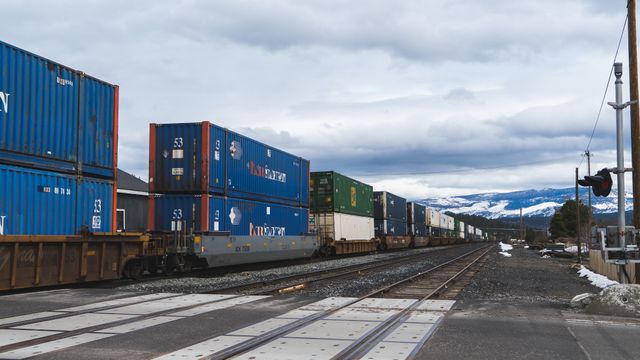
A bad carrier partnership can be extremely damaging for your business. From missed deliveries to cargo theft, double brokering and carriers operating without proper insurance, there are numerous liabilities that can impact you, and for the most part they’ll happen down the line, not before things are moving.
But the thing is, many of them can be prevented. All it takes is a few simple checks before anything is booked to help you avoid some of the more common mistakes that happen in these partnerships. Let’s take a quick look.

Run Carrier Vetting for Freight Brokers Before Every Load
Booking a load with a carrier that hasn’t been properly vetted leaves a brokerage exposed to risks that are largely avoidable. That is, if you have a consistent screening process in place.
Resources like carrier vetting for freight brokers outline the specific checks that brokers should run on every new carrier relationship, covering everything from authority status to safety history so you’re not just relying on a gut check before booking.
Confirm Authority Status With the FMCSA
Operating authority determines whether a carrier is legally permitted to haul freight, and confirming this status directly through the Federal Motor Carrier Safety Administration’s Records removes any doubt created by outdated or falsified paperwork. Checking that a carrier’s authority has been active long enough to establish a track record rather than being newly granted will just ensure there’s another layer of confidence before handing over a load. Newly authorised carriers aren’t automatically a problem, but pairing that status with the other checks in this list will give you a more complete picture before committing to the relationship.
The FMCSA’s Safety and Fitness Electronic Records are publicly accessible and free to search, so you can run this check easily in minutes.
Watch for Red Flags in Carrier Communication
Carriers involved in fraud or double brokering often show warning signs in how they communicate before a problem becomes obvious on the road. Pay attention to things like frequent changes in contact information, a reluctance to provide documentation or a rush to get a load confirmed without the usual back and forth. These are all signs that should give you pause and should not be dismissed as a carrier being efficient. Also check that their dispatch details match their registered business information, as this is a sign of something not being quite right too.
Check Insurance Coverage Before Booking
A carrier’s insurance certificate can look valid at a glance while actually being expired, cancelled or insufficient for the cargo being hauled. Verifying their coverage directly with the insurance provider that is listed on the certificate rather than just trusting the document a carrier provides can help you to confirm the policy is actually active and covers the type and value of freight being shipped. This will be another step in closing the gaps between legitimate and fraudulent carriers, as it’s an area that is commonly exploited.
Request an updated certificate periodically rather than just at the start of a relationship to avoid your carrier’s insurance lapsing without you being informed.