
Business
Concrete Leveling vs. Replacement: Which Is Better?
Concrete surfaces are built to last, but they are not completely protected from damage. Driveways, sidewalks, patios, garage floors, and other concrete areas can sink, crack, or become uneven as the ground underneath changes over time. When this happens, property owners often face an important decision: should the existing concrete be leveled, or should it be completely replaced? Both options can solve certain concrete problems, but they are designed for different situations. Concrete leveling focuses on lifting and supporting an existing slab, while replacement involves removing the old concrete and installing a new surface. For homeowners considering concrete leveling services in Ogden, understanding the differences can help make the repair decision easier.

What Is Concrete Leveling?
Concrete leveling is a repair method used to raise concrete slabs that have settled below their original position. Instead of tearing out the existing concrete, the process focuses on correcting the empty spaces or unstable areas underneath the slab. A leveling material is placed beneath the concrete to fill gaps and gradually lift the surface. The goal is to restore the slab closer to its proper height and create a smoother, safer surface. This type of concrete lifting can be useful for sidewalks, driveways, patios, steps, garage floors, and other areas where the concrete remains structurally sound but has settled unevenly. Concrete leveling allows property owners to address the cause of unevenness while keeping much of the original concrete in place.
What Does Concrete Replacement Involve?
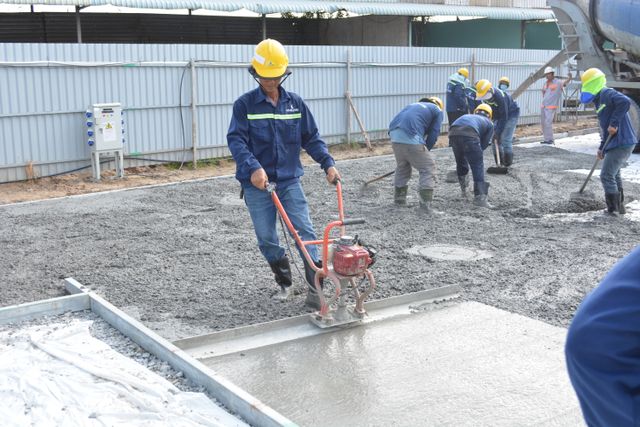
Concrete replacement is a more extensive process. The damaged slab is broken apart, removed, and disposed of before the area is prepared for new concrete. The ground underneath may need to be graded, compacted, or repaired before new concrete is poured. Once the replacement slab is installed, it needs time to cure before it can handle normal traffic or heavy use. Replacement can be the better option when concrete has extensive cracks, crumbling areas, major surface deterioration, or structural damage that cannot be corrected through leveling. While replacement provides a completely new surface, it usually requires more demolition, materials, labor, and preparation than repairing the existing slab.
When Is Concrete Leveling the Better Choice?
Concrete leveling is often a good option when the slab itself is still in relatively good condition. If the main issue is settlement rather than severe concrete damage, lifting the slab may restore the surface without requiring complete replacement. For example, one section of a sidewalk may sink while the surrounding sections remain stable. A driveway may develop a low spot that causes water to collect. A patio may become uneven because the soil underneath has settled. In these situations, sunken concrete repair may help restore the height of the slab and reduce trip hazards. Leveling can also be useful when homeowners want to preserve existing concrete that still has many years of potential use. Correcting settlement early may help prevent additional cracking and surface stress.
When Is Replacement the Better Choice?
Concrete leveling cannot repair every problem. If a slab has broken into several pieces, developed deep structural cracks, or started crumbling across a large area, replacement may provide a better long-term solution. Severe surface deterioration is another reason replacement may be necessary. Concrete that is heavily worn, flaking, or damaged throughout may not have enough structural strength to support a leveling process. Replacement may also make sense when the property owner wants to completely redesign the area. Changes to the shape, size, slope, thickness, or layout of the concrete may require removing the existing slab. The condition of the concrete should always be carefully evaluated before choosing between repair and replacement.
Comparing the Amount of Work Required
One major difference between leveling and replacement is the amount of work involved. Concrete leveling normally keeps the existing slab in place. Because there is less demolition, the surrounding property may experience less disruption during the repair process. Replacement requires the old slab to be broken up and removed. The ground must then be prepared before fresh concrete can be installed. Depending on the size and location of the project, this can involve heavier equipment and additional cleanup. Property owners who have structurally sound concrete may prefer a repair method that avoids unnecessary removal. The right solution depends on how much damage is present and whether the existing slab can still be restored.
Considering Cost and Long-Term Value
Cost is often an important factor when deciding how to repair concrete. The total price can depend on the size of the area, amount of settlement, condition of the slab, accessibility, soil conditions, and the type of repair needed. Concrete leveling can sometimes require fewer materials and less labor because the original slab remains in place. Full replacement may involve demolition, disposal, site preparation, new materials, installation, and curing. However, choosing the least expensive option is not always the best approach. A severely damaged slab should not be leveled simply to avoid replacement costs. At the same time, replacing concrete that can still be restored may involve unnecessary work. The best value comes from choosing a repair method that matches the actual condition of the concrete.
Once homeowners understand whether repair or replacement is the more appropriate route, the next step is finding a professional who can assess the project in person and provide a realistic scope of work. Contractors for Concrete can help homeowners connect with concrete contractors when they are ready to discuss options for driveways, sidewalks, patios, garage floors, and other residential concrete projects.
Why Concrete Becomes Uneven in the First Place
Understanding why concrete settled can help prevent the same problem from happening again. Soil movement is one of the most common causes of uneven concrete. Poorly compacted soil may gradually compress under the weight of a slab. Water can also wash away supporting soil, creating empty spaces underneath the concrete. Drainage problems, leaking pipes, changing moisture levels, freeze-and-thaw conditions, and natural ground movement can also contribute to settlement. Outdoor concrete is exposed to changing weather conditions throughout the year. Moisture and temperature changes can affect the soil supporting driveways, sidewalks, patios, and other concrete surfaces. Addressing drainage and soil concerns along with the concrete repair can help support better long-term results.
Safety Should Be Part of the Decision
Uneven concrete is more than an appearance issue. Raised edges and sunken sections can create trip hazards around sidewalks, entrances, driveways, patios, and other frequently used areas. Low areas may also collect water, which can make surfaces slippery and contribute to additional movement beneath the slab. Whether leveling or replacement is chosen, repairing dangerous changes in elevation can improve the usability and safety of the property. Ignoring a small settlement problem may allow it to become more noticeable over time, so early evaluation can provide more repair options.
How to Decide Between Leveling and Replacement
The decision should begin with the condition of the concrete itself. If the slab is mostly intact and the primary problem is settlement, leveling may be a practical option. If the concrete is severely cracked, broken, or deteriorated, replacement may be necessary. Property owners should also consider drainage, soil conditions, the age of the concrete, how the surface is used, and whether additional changes to the area are planned. A professional inspection can determine how much the slab has settled and whether it has enough strength to be lifted safely. For homeowners researching concrete leveling solutions, an evaluation of both the slab and the supporting ground can provide a clearer picture of which repair method makes the most sense.
Choose the Repair That Fits the Condition of Your Concrete
Concrete leveling and replacement both have an important purpose. Leveling can help restore a sunken slab that is still structurally sound, while replacement provides a fresh start when concrete is severely damaged or no longer suitable for repair. The best choice depends on the condition of the slab rather than simply its appearance. Uneven concrete does not always need to be removed, and badly damaged concrete should not be lifted when replacement would provide a more reliable solution. Evaluating the damage early can help property owners choose the right repair, improve safety, and protect the surrounding property from additional problems.