
Business
Elevating Hotel Lobby Ambiance with Warm Natural Wood Tones
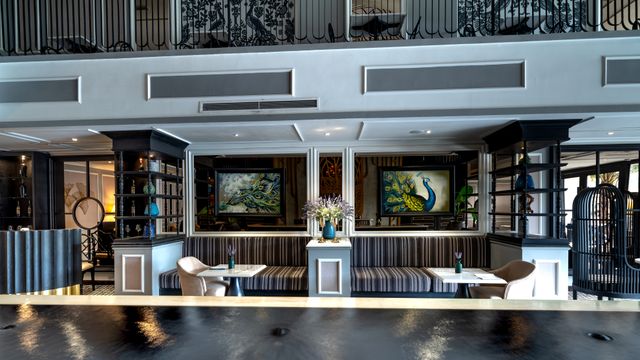
A hotel lobby is no longer just a place to hand over a credit card and collect a room key. Modern travelers view the lobby as an extended living room—a social hub to work, unwind, meet colleagues, and enjoy a craft beverage. First impressions form in seconds, and cold, sterile architecture can make guests feel disconnected before they even reach the front desk.
Incorporating warm, natural wood tones into your entrance design immediately softens rigid architectural lines, improves acoustics, and signals grounding comfort. From grand accent walls to handcrafted communal seating, timber bridges the gap between luxury and warmth, creating an atmosphere guests want to linger in.

1. The Psychology of Warm Wood in First Impressions
Quick Answer: Wood tones trigger biophilic physiological responses, lowering guest stress levels and creating an instant sense of warmth, hospitality, and psychological comfort upon arrival.
Humans have an innate connection to natural materials, a concept known in architectural circles as biophilic hospitality design. When guests step out of a chaotic airport or busy city street into a timber-rich lobby, their nervous systems respond almost instantly. Exposure to natural grain patterns lowers heart rates and perceived stress.
In addition to emotional comfort, wood tones establish brand identity. Light oaks and Scandinavian ashes project modern, eco-conscious simplicity, while rich walnut and deep mahogany convey heritage, prestige, and timeless luxury.
2. Key Areas to Integrate Natural Wood Tones in Hotel Lobbies
Quick Answer: Maximize impact by placing natural wood at primary visual touchpoints: the check-in desk, architectural wall cladding, ceiling baffles, and central lounge furniture.
To create a cohesive atmosphere, wood shouldn’t be scattered randomly. Focus on key architectural focal points across the floor plan:
- The Reception Desk: As the primary destination for arriving guests, a live-edge or fluted wood check-in counter grounds the space and establishes an inviting focal point.
- Feature Walls & Ceiling Baffles: Vertical wood slats or acoustic timber paneling draw the eye upward, add visual height, and absorb ambient noise in soaring, multi-story lobbies.
- Communal Work Tables: Large solid wood tables equipped with subtle power integration encourage remote workers and business travelers to use the lobby as a co-working lounge.
3. Selecting the Right Wood Species for High-Traffic Lobbies
Quick Answer: Dense hardwoods like White Oak, Hard Maple, Walnut, and European Beech provide the ideal combination of impact resistance, rich graining, and long-term durability.
Lobbies endure non-stop foot traffic, rolling luggage wheels, and frequent cleaning. Choosing soft woods like pine or fir leads to premature denting, scratching, and costly refinishing cycles.
- Balancing Wood with Lighting, Metals, and Textiles
Quick Answer: Prevent wood-heavy spaces from feeling heavy or rustic by pairing warm timber with soft ambient lighting (2700K), brushed metals, and textured upholstery like bouclé or leather.
An all-wood lobby risks feeling like a mountain cabin rather than a refined hotel destination. Successful hotel lobby interior design relies on material contrast to build depth and sophistication.
Pair warm oak or walnut with brushed brass, matte black steel, or honed marble. Use warm LED accent lighting (2,700K color temperature) behind slatted wood panels to cast soft shadows and highlight natural wood grain. Layer in soft textiles—such as textured woven wool, matte velvet, or rich cognac leather—to balance hard wooden surfaces.
5. Lobby Bars and Social Hubs: Merging Aesthetics with Durability
Quick Answer: The lobby bar should serve as a warm social anchor, utilizing sealed wood bar tops, ambient under-counter lighting, and heavy-duty commercial seating built for constant turnover.
In modern hotel layouts, the lobby bar often acts as the main revenue engine and visual centerpiece. Guests naturally gravitate toward warm, timber-wrapped bars for evening drinks or informal meetings.
Because bar areas face constant liquid exposure, dropped glassware, and high seat turnover, seating must combine elevated style with uncompromising strength. Outfitting the bar counter with heavy duty commercial bar stools ensures that your seating maintains its structural integrity and finish under 24/7 guest usage without detracting from the luxurious natural wood aesthetic.
6. Common Wood Design Mistakes in Hospitality Spaces
Quick Answer: Avoid mixing too many competing wood stains, using unsealed residential furniture, or neglecting humidity controls that cause timber warping and veneer peeling.
- Clashing Wood Stains: Mixing more than two or three distinct wood species or stains creates visual chaos. Stick to one dominant tone (e.g., natural oak) and one secondary accent tone (e.g., dark walnut).
- Ignoring Indoor Climate Control: Wood absorbs and releases atmospheric moisture. Without proper HVAC humidity controls (keeping lobby humidity between 35% and 55%), solid wood tops can warp or crack over time.
- Specifying Residential Finishes: Standard home furniture lacquers break down rapidly when exposed to hotel-grade chemical disinfectants. Always specify commercial conversion varnishes or catalyzed polyurethanes.
7. Maintenance Protocols for Long-Lasting Wood Finishes
Quick Answer: Maintain natural wood beauty through daily cleaning with pH-neutral soaps, bi-weekly inspections for finish breaches, and implementing proactive commercial wood furniture care routines.
Establish clear care guidelines for housekeeping and maintenance teams to protect your investment:
- Daily Wipe Downs: Use soft microfiber cloths dampened with warm water and mild, pH-neutral soap. Avoid abrasive scouring pads or harsh ammonia cleaners.
- Immediate Spill Management: Train staff to wipe up water rings, alcohol spills, and coffee drips immediately to prevent finish staining.
- Proactive Touch-Ups: Inspect high-touch edges on check-in counters and tables monthly, touching up clear coat scratches before moisture penetrates the grain.
8. Frequently Asked Questions About Wood in Hotel Lobbies
Is real solid wood better than wood veneer for hotel lobbies?
Both have distinct roles. Solid wood is ideal for high-impact surfaces like tabletops and bar counters that may need future sanding and refinishing. Wood veneer excels on large vertical architectural features, like wall cladding and ceiling baffles, where lightweight stability is needed without warping.
How does natural wood affect lobby acoustics?
Unfinished or slatted wood panels act as excellent acoustic diffusers and absorbers when backed with sound-dampening felt. They break up sound waves, reducing echo in multi-story lobbies with hard tile or marble floors.
Conclusion
Elevating hotel lobby ambiance with warm natural wood tones creates an unforgettable arrival experience that balances luxury, comfort, and biophilic wellness. By selecting durable hardwood species, balancing timber with modern textiles and metals, and specifying commercial-grade finishes, hotel operators can craft a welcoming sanctuary that leaves a lasting impression on every guest who steps through the door.