
Health and Wellness
How Stronger Doctor-Patient Relationships Can Lead to More Personalized Healthcare
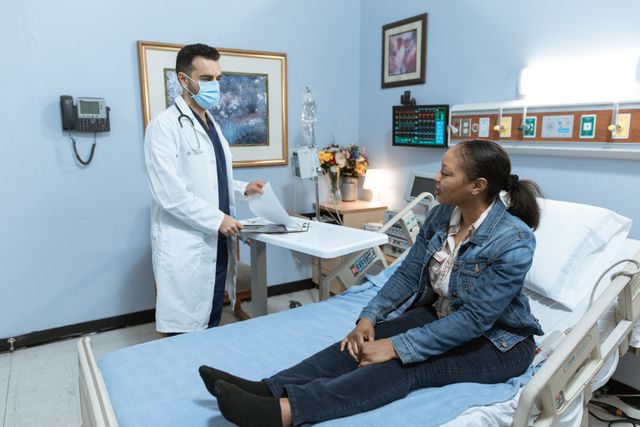
Most people can describe a medical visit that felt rushed. The waiting room takes longer than the appointment, the questions come quickly, and the answers arrive before the full story has been told. Patients across Tampa and many other cities have grown used to this pace, and many assume it is simply how medicine works now. It is not.
When a patient and a physician know each other well, the entire character of a visit changes, and so does the quality of the care that follows. Personalized healthcare is not a luxury feature added on top of good medicine. It is what good medicine looks like when the relationship underneath it is strong.

The Foundation of Good Medical Care
Healthcare works best when the person treating you already knows something about you before you speak. Direct primary care is often sought out by patients who feel that short, scattered appointments leave too much unsaid, and who want a physician with the room to actually follow their health over time.
A membership-based model of primary care answers that by giving the doctor fewer patients and far more time with each one. Patients looking for that kind of arrangement can explore direct primary care in Tampa and see how a smaller practice changes the experience of getting care.
What Continuity Adds to Everyday Health
Health rarely announces itself in a single dramatic moment. It moves slowly, through small changes in weight, sleep, mood, energy, and blood pressure that only mean something when viewed across months or years. A physician who sees you once cannot spot that movement.
A physician who has seen you fifteen times can. Continuity turns isolated data points into a pattern, and patterns are where real medical insight lives. This is why patients who stay with the same doctor tend to catch problems earlier, need fewer emergency visits, and spend less time repeating their history to strangers.
Time as a Clinical Tool
A longer appointment is not just more pleasant. It is clinically different. When a doctor has time, they ask the second and third question rather than stopping at the first. They notice hesitation. They follow a vague complaint about fatigue into a conversation about work stress, sleep, diet, and family history, and sometimes that path leads somewhere important.
Short visits force physicians to treat the symptom in front of them because there is no room to look behind it. Time is what allows a doctor to move from managing complaints to understanding a person.
Listening Shapes Better Diagnoses
Patients often know more about their own condition than they are given credit for. They know when something feels different, even if they cannot name it. A doctor who listens carefully collects information that no test produces.
Someone might mention that their headaches started the month they changed jobs, or that a medication makes them feel strange in a way they struggled to describe at the last visit. These details are easy to lose in a hurried conversation and easy to catch in an unhurried one. Careful listening is not softness. It is how good clinicians gather the information they need.
How Familiarity Improves Preventive Health
Prevention depends almost entirely on trust. A patient will only follow advice about diet, exercise, screening, or medication if they believe the person giving it understands their circumstances. Generic instructions rarely survive contact with real life.
A physician who knows that a patient works night shifts, cares for an aging parent, and cannot easily take time off will suggest something achievable rather than something ideal. Advice that fits a person’s life gets followed, and advice that gets followed is the only kind that prevents anything.
Care That Reflects the Whole Person
A person is not a collection of separate systems to be handled by separate specialists. Sleep affects blood pressure. Stress affects digestion. Pain affects mood, and mood affects the willingness to manage a chronic condition.
A physician who knows a patient well can hold all of this together and treat the connections rather than the isolated parts. That coordination is difficult when care is spread thin across many providers who each see a narrow slice. It becomes possible when one doctor carries the full picture and keeps it current.
Trust Makes Difficult Conversations Possible
Some of the most valuable moments in medicine are uncomfortable ones. A conversation about drinking, weight, mental health, sexual health, or the reality of a serious diagnosis requires a level of trust that does not form in a fifteen-minute visit with someone new.
Patients withhold information from doctors they do not know, and withheld information leads to incomplete care. A long relationship makes honesty easier in both directions. The doctor can be direct without the patient feeling judged, and the patient can be honest without feeling exposed.
Fewer Patients, Better Attention
The pressure on physicians is not a mystery. A doctor responsible for thousands of patients cannot know them all, no matter how skilled or committed they are. Practices built around a smaller patient list solve this structurally rather than asking individuals to work harder.
Fewer patients means longer appointments, faster responses, and a physician who is not exhausted by the volume. The benefit to patients is obvious, but it also matters for doctors, many of whom entered medicine expecting to practice this way.
Building a Relationship That Lasts
Choosing a physician deserves more thought than it usually gets. It is worth asking how long appointments run, how easy the doctor is to reach, how many patients the practice carries, and whether you will see the same person each time.
A relationship that lasts years produces better medicine than a series of one-time encounters ever can, because it accumulates knowledge that no chart fully captures. Healthcare becomes personal not through technology or paperwork but through a physician who knows your name, your history, and what matters to you. That is worth looking for, and worth keeping once you find it.
Fewer Mistakes and Long-Term Issues
A strong relationship with your doctor can make a real difference when it comes to preventing medical errors and protecting your long-term health. When physicians know their patients well, they are much better placed to recognize changes in symptoms, identify potential medication problems, and spot details that might otherwise go unnoticed. Patients also tend to feel more comfortable sharing concerns or asking for further clarification when something doesn’t seem quite right. Open communication is really important, but you should still feel able to question a diagnosis or request further investigation if your symptoms persist. Keeping track of test results, prescribed medications, and conversations with healthcare providers can help to ensure important details are not overlooked during future appointments. It also gives you a clearer record if you need to seek a second opinion. Unfortunately, mistakes can happen even when patients and doctors have established a good rapport. If an error in diagnosis, treatment, or follow-up care causes harm to you, speaking with a medical malpractice lawyer may help to clarify whether the care you received fell below the accepted standard. Understanding your rights doesn’t mean assuming the worst about your healthcare provider though. It just means you know where to turn to for answers, and ensuring your health concerns receive the full attention they deserve.
Selecting a hosting plan requires considering a website’s purpose, expected visitors, available budget, and technical demands. Types of web hosting https://howshost.com/ range from shared and VPS plans to dedicated servers, cloud platforms, and managed services. Shared hosting can work well for smaller websites with modest traffic, while VPS and dedicated options provide greater resources and control. Cloud hosting is useful for projects that need scalability, flexibility, and consistent performance.
Accurate bookkeeping helps businesses maintain organized financial records and understand their day-to-day financial position. A Bookkeeping Company Northern Virginia can assist with transaction recording, account reconciliation, financial reporting, and maintaining up-to-date books, allowing business owners to focus more effectively on their operations and growth.
I really appreciate the emphasis on building a long term relationship between patients and physicians. Good healthcare involves much more than treating symptoms during a short appointment. Understanding a person’s lifestyle, eating habits, sleep patterns, stress levels, and physical activity can make preventive care much more effective. For example, discussing topics such as bmi for men can help patients understand how body weight relates to height, while a physician can also consider muscle mass, age, and other health factors before offering advice. Personalized guidance makes it easier to set realistic goals and maintain healthier habits over time. A doctor who listens carefully and understands a patient’s history can provide recommendations that are practical, meaningful, and easier to follow in everyday life.
A strong doctor-patient relationship really can make a difference, especially when care needs to be tailored to the individual. Listening closely, explaining options clearly, and understanding a patient’s daily challenges can lead to much better decisions and outcomes. This is especially important in hearing care, where providers like Forest Hills Audiology can personalize recommendations based on each person’s hearing needs and lifestyle.
Bring your ADU vision to life with professional design, planning, and permitting services tailored to your property. Designing and Permitting in Thousand Oaks helps homeowners develop functional layouts and navigate local approval requirements for their projects. Trust Toadubuilders for expert ADU guidance from planning to permit preparation.
Building strong relationships with qualified professionals and addressing problems early can make a real difference in maintaining safety and preventing long-term issues. This is equally important when dealing with electrical faults in homes or commercial properties. Professional Electrical Defect Rectification Sydney services can help identify electrical issues and ensure appropriate repairs are carried out by qualified electricians.