
Business
How Ethical Waste Management Can Strengthen Your Business

Responsible waste practices turn everyday business decisions into measurable benefits for people, communities and the environment. In healthcare settings, those decisions carry particular weight because poor segregation or storage can expose staff, patients and waste handlers to avoidable risks. Clear business ethics and social responsibility policies give teams a practical framework for doing the right thing, even when nobody is watching. For dental practices and other healthcare providers, waste management is one area where ethical commitments become visible through daily routines.
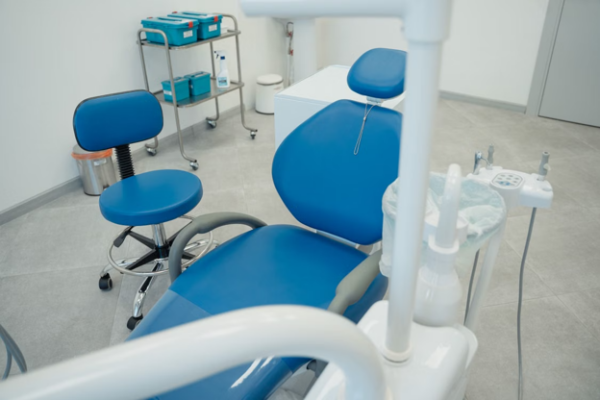
Beyond Profit: Ethical Choices
Ethical businesses consider how their decisions affect employees, customers, suppliers and the wider community. Profit remains necessary, but responsible choices can support financial stability too. The discussion around profitable and ethical businesses shows that these aims can work together when leaders build them into everyday operations.
For example, accurate waste segregation can reduce the volume sent through expensive specialist treatment. Clear purchasing policies may also limit unnecessary packaging and expired stock. Set written standards, assign responsibility to a named team member and review results every quarter. This makes ethical performance part of normal management instead of an occasional campaign.
Sustainability in Healthcare
Healthcare providers must balance infection control, patient safety and environmental responsibility. Start with a waste audit covering treatment rooms, reception areas, staff spaces and storage points. Record what each area produces over a typical working week, then look for reusable items, recyclable materials and supplies that regularly go unused.
Environmental compliance also requires businesses to consider how waste is identified, stored and documented, particularly when different waste streams have different handling requirements. Navigating environmental compliance for businesses offers a broader look at building these responsibilities into everyday operations.
Specialist support for dental clinical waste management can help dental practices organise suitable containers, scheduled collections and compliant handling for different waste streams. Procurement matters as well. Order realistic quantities, choose suppliers that minimise packaging and rotate stock so products with the shortest shelf life get used first. These controls can reduce waste without weakening hygiene standards.
Managing Clinical Waste Responsibly
Safe clinical waste management begins at the point where an item is discarded. Staff should be able to identify the correct container immediately, without leaving a patient or searching for guidance. Place clearly labelled bins close to the activity that creates the waste and keep instructions short enough to scan.
Check storage areas at set intervals. Containers should remain secure, upright and within their fill limits, while collection records need to be complete and easy to retrieve. Include waste procedures in every new employee’s induction, followed by brief refresher training. If an audit finds repeated sorting errors in one treatment room, adjust the bin placement and signage before assuming the problem is carelessness.
Patient Trust and Reputation
Patients notice far more than clinical skill. An overflowing bin, unclear labels or poorly stored waste can undermine confidence in an otherwise professional practice. Clean treatment rooms and orderly processes show that the team takes safety seriously.
Explain relevant environmental measures in plain language on your website or in the waiting area. Specific details carry more weight than broad claims. You might state that the practice monitors waste volumes, trains staff annually and uses separate streams for recyclable and clinical materials. Avoid describing routine legal duties as exceptional environmental achievements. Honest reporting protects your reputation, while records of training, audits and corrective action provide useful evidence if a patient, regulator or business partner raises a concern.
Building a Greener Practice
A greener practice develops through consistent controls and regular measurement. Choose a small set of indicators, such as the amount of general waste per appointment, the number of expired products each month and the percentage of staff who have completed current training. Review those figures at team meetings and investigate unusual changes.
Give employees a simple way to report leaking containers, confusing labels or repeated over-ordering. Front-line staff often spot waste problems before management reports reveal them. Once a change works, document it and apply it across other rooms or sites where appropriate. The strongest result is a workplace where the correct disposal route is obvious, supplies match genuine demand, and every collection leaves a clear record.