
Auto/Vehicle
Signs You Need an Emergency Tow Truck Rather Than Roadside Assistance
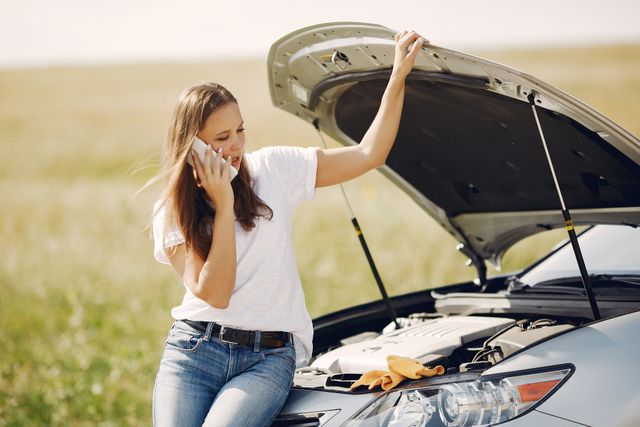
Most drivers call roadside assistance by habit when something goes wrong. That makes sense for a dead battery or a locked door, but not when the car is unsafe to drive. If heat, brakes, steering or impact damage is involved, you need a tow rather than a quick fix.
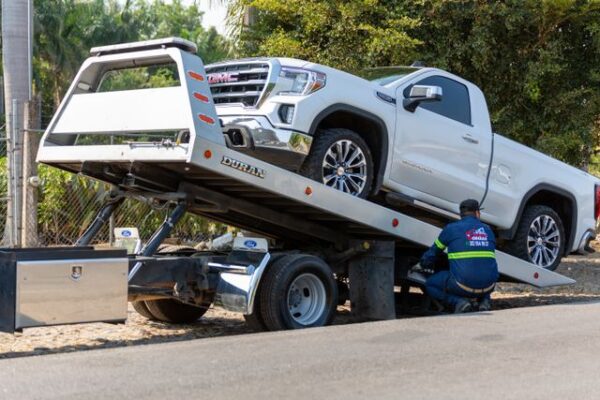
Roadside help fixes it there, towing takes it in
Roadside assistance is built for problems that can be solved at the kerb in minutes. Think of a jump start or a fuel drop where the car is still sound underneath. The technician arrives with basic tools and gets you moving. Emergency towing serves a different purpose. It moves a car that should not be driven at all.
This confusion is seen often. Drivers ask for a jump or a tyre swap when what they really need is a flatbed and a workshop.
The test is simple. Can the car be made safe to drive in a few minutes without lifting it or opening up major parts? If the answer is yes, roadside help makes sense. If the answer is no, don’t argue with the car.
That distinction matters because a car that still runs may still be unsafe. A motor can start even though the brakes or steering have already failed.
AAA responds to more than 30 million calls for service each year, with dead batteries and flat tyres making up most of them (AAA).
Many drivers assume a club card covers any tow to any shop. Most plans cap the distance and charge per mile beyond that limit, and they don’t cover accident recovery. Ask what your plan pays before you need it so that a limit doesn’t force a bad choice on the shoulder.
Steam or heat in the red means shut it down
You can drive a short way with many faults, but you can’t drive safely with an overheating engine. When coolant escapes, metal parts swell and warp in minutes. Watch for steam from the bonnet or a gauge needle pinned in the red. You might smell something sweet and sharp, like hot syrup, or see green or orange spray near the front wheels.
If you keep going, a small hose leak can become a warped head or a seized block. That turns a tow and a hose job into a full engine rebuild that costs thousands. Driving even one more exit to reach home or a cheaper shop can warp aluminium parts that were still straight when you first saw steam on the bonnet.
Drivers are given the same advice in safety talks. Pull over where you can get fully off the road. Kill the engine and don’t touch the hot cap. Wait for a flatbed because a roadside top-up will not seal a burst hose or cracked radiator.
Heat never gets better with miles.
Don’t confuse coolant with other drips. Oil is dark and slick, while coolant feels thin and smells sweet. Brake fluid is pale and slippery. Fuel smells sharp enough to catch in your throat.
Brake trouble means you don’t drive at all
There’s no grey zone with brakes. A spongy pedal or one that drops to the floor means hydraulic pressure is gone. A brake warning light shows that the system has already flagged a fault. You might hear harsh grinding or see fluid near a wheel. Do not drive if you notice any of these signs.
A car with weak stopping power is a hazard to everyone around it. Even a slow crawl to the shop can leave you with no brakes at the one light or hill where you need them most. That risk is never worth taking.
Roadside crews can’t rebuild hydraulics on the shoulder. Pads and lines need a lift and clean parts. A tow on a flatbed keeps the car level while preventing a dragging pad from scoring the rotor. Park it and wait for recovery.
Don’t pump the pedal in the hope that pressure will return. Call for a tow and keep your hazards on until help blocks the lane behind you.
Look under the car where it sat overnight or where it stopped. A clear or brownish pool near a wheel arch often points to brake fluid, and the pedal will tell the same story. If you see that pool and the pedal feels wrong, don’t test it by rolling down the block.
When the transmission slips or drive disappears
Transmission failure rarely makes a scene outside the car. You press the pedal and the engine revs while your speed stays flat. In other cases, the shifter won’t engage and the dash flashes a warning. There may be no smoke or noise to warn the traffic around you, just a car that could quit in the middle of a lane.
Trying to force it will grind gears and overheat clutches that might still be saved. Each extra attempt to limp forwards can turn a repair involving seals or solenoids into a full replacement. Plenty of cars that could have been fixed with minor parts end up driven until the case cracks and the fluid burns black beyond saving.
Put the hazards on and stop shifting between drive and reverse to coax it into moving. A tow keeps the gearbox still and keeps you out of live traffic.
Flatbed loading is kinder to all-wheel-drive vehicles and low cars. It avoids dragging dead wheels, which can chew up tyres and axles on a hook lift.
A tow bill is small next to a rebuild bill
Drivers put off the tow because they fear the fee. They picture a huge bill for a short ride. In practice, the tow is often the cheapest part of a bad day. When heat or brakes have already failed, the financially rational move is to book emergency tow truck services right there on the shoulder instead of gambling on making it home. One more mile on hot metal or a flat rim can do more harm than the tow ever could.
This has been priced out with shops for years. A scored rotor or warped head costs far more than a local recovery.
Think of the tow as a way to stop the damage. The meter stops when the wheels stop, while driving on keeps it running inside the engine and hubs. That’s why shops prefer to receive a car that was shut down early.
There’s also time lost when a gamble fails. A car that dies in traffic needs police control and a second dispatch, while a planned stop on the shoulder needs one truck.
Tire blowouts and suspension breaks that a spare won’t fix
Roadside help is ideal for a simple flat. The technician fits your spare, and you drive slowly to a shop. A blowout is more serious. Sidewall cuts or missing lugs mean the wheel can’t hold its shape, while a bent rim or torn rubber won’t carry a load even for a short hop.
Suspension failure is harder to spot but more urgent. If a ball joint or tie rod lets go, the wheel can fold under the car without warning. You can lose steering in a second.
Look for a car that sits low on one corner or leans hard after a pothole hit. Listen for loud clunks over bumps and watch for a wheel that shudders at low speed. Don’t trust a stranger’s offer to hammer it straight or pump it up. Shut the engine off and wait for a flatbed that can winch it up level.
Driving on a blown tyre can chew up the rim and hub in one block. What could have been one tyre then becomes a wheel and a bearing.
After a hit and the battery that won’t stay charged
Any crash that triggers an airbag should end with a tow. Bags only fire after a hard hit, and that impact can bend more than the bumpers. The frame may be damaged or fluid may be leaking under the bonnet. Even if the motor cranks, the car may not track straight or stop cleanly. A flatbed keeps a bent car from suffering more damage on the way in.
Check whether a wheel sits crooked when you drive straight and look for puddles after the impact. Either sign means you shouldn’t try to nurse the car home.
Batteries are the one grey area. A dead battery on a cold morning is a textbook roadside call. A jump and a short idle will get you moving. If the car dies again just after the jump, however, the problem points to the charging system rather than the battery. A kerbside fix won’t solve it.
Watch for the smell of hot wiring or a whining sound under the bonnet after a jump. Those signs can mean the alternator is failing and the car will stall again in traffic.
If the wheel points left while you steer straight, the geometry is bent. That car needs to be measured on a rack rather than driven carefully home.
How to decide in 60 seconds on the shoulder
Pressure makes drivers accept bad advice on the shoulder. Someone stops and urges you to follow them to a shop, perhaps offering a quick fix that sounds tempting. Take a breath and run your own check first. Get fully off the road with your hazards on and move yourself out of the lane. Then look for smoke or puddles and test the pedal feel before deciding what to do.
Driving on when you know the car is unsafe can bring a fine in most places. Worse, your insurer can refuse a claim if a known fault caused the crash. That turns a small tow fee into full liability for two cars. Officers and adjusters will both ask whether you knew about the problem and drove anyway.
Give yourself one minute. Check for heat and leaks under the bonnet and beneath the car. Feel the pedal, scan the dash for warning lights and check the tyres and stance at all four corners. If any check fails, stay parked and call for a tow.
Say no to pour-in sealants and strangers who want to bleed brakes at the kerb. Those tricks can mask a fault for five minutes before failing at speed. A licensed shop with a lift is the only place for brake and steering faults.
Roadside help gets you moving when the car is sound. Towing protects you when it isn’t. Learn the red-zone signs now so you don’t have to learn them on the shoulder.