
Health and Wellness
How Long Does Sacroiliac Joint Pain Take to Improve?
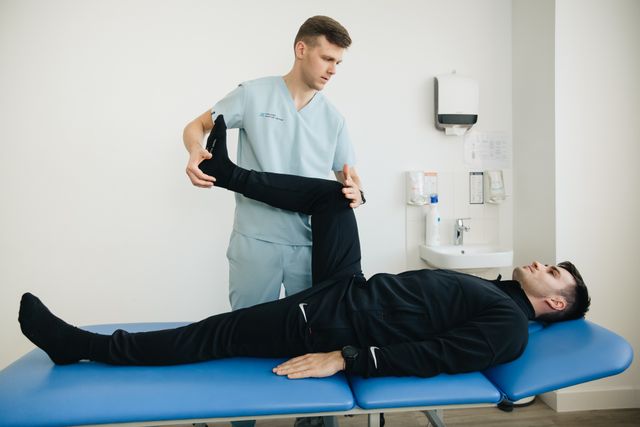
There is no single recovery timeline for sacroiliac joint pain. A recent episode and a problem that has persisted for months may need different approaches, and similar-looking symptoms can have different causes. No fixed number of chiropractic visits can reliably predict when someone will feel better.
The more useful question is what improvement should look like and when the plan needs reviewing. Less pain is welcome, but being able to walk, sleep and manage daily tasks more comfortably tells you more than a brief change immediately after treatment.

Start by confirming what is hurting
The sacroiliac, or SI, joints connect the sacrum at the base of the spine to the pelvic bones. They help transfer loads between the trunk and legs. Pain associated with this area may be felt in the lower back, buttock or thigh.
Those locations are not enough to identify the SI joint as the source. Problems affecting the lumbar spine or hip can produce overlapping symptoms. Assuming that every one-sided backache is an SI joint problem can send treatment in the wrong direction.
A review in American Family Physician emphasizes a complete history and examination, including a combination of tests that attempt to reproduce familiar pain. A clinician considers the results together rather than relying on one sore spot or one test.
That assessment is the starting point for discussing timing. If the likely cause remains unclear, ask what else needs to be considered before estimating recovery.
Why recovery varies
How long symptoms have been present is one part of the picture. The cause, other health conditions and the demands of your daily life also influence the plan. Someone managing a recent episode around a desk job has different practical needs from someone whose work involves repeated lifting.
Pregnancy and the period after childbirth require particular consideration because pelvic girdle pain can involve changing loads and ligament support. Persistent symptoms after delivery deserve assessment rather than an assumption that they will disappear on their own.
Inflammatory conditions can also affect the SI joints. When inflammation is suspected, medical evaluation and management of the underlying condition matter. Manual care should not substitute for that assessment.
These differences explain why a universal promise such as “better after three visits” is not useful. Ask for expectations based on your findings, with room to adjust them as your response becomes clearer.
What a conservative care plan may include
The American Family Physician review describes conservative care that can combine education, pelvic stabilization exercises, stretching and manipulative therapy. The combination should reflect the individual’s needs, rather than making an adjustment the entire treatment plan.
If you are exploring si joint chiropractic, discuss how the assessment will guide treatment, which alternatives are available and how exercise or activity advice will fit alongside hands-on care. Ask about potential risks and whether any part of your medical history changes the options.
A clinician may recommend work on supporting muscles or changes to activities that repeatedly aggravate symptoms. The exercises and their progression should be tailored to you. There is no single stretch or strengthening routine that every person with pelvic pain should follow.
Chiropractic care is one possible part of conservative management, not a guarantee of faster recovery. It is reasonable to ask what each element of the plan is intended to achieve.
Separate short-term relief from sustained progress
Feeling better after an appointment can be encouraging, but it does not show that the problem has fully resolved. Symptoms can vary with activity, and an immediate response does not tell you how comfortably you will manage the rest of the week.
Choose two or three everyday measures to follow. For example:
- How long can you walk before discomfort changes your pace?
- Is sleep less interrupted by pain?
- Are stairs or getting out of a chair becoming easier?
Compare those measures over time without repeatedly testing movements that hurt. Note whether improvements last between appointments and whether you can gradually resume valued activities.
A temporary flare does not automatically mean the plan has failed. However, steadily worsening pain, new symptoms or a declining ability to function should prompt contact with the treating clinician rather than waiting for the next scheduled review.
Agree on review points, not an open-ended schedule
At the outset, ask when progress will be reviewed and what would count as a meaningful response. The timing should reflect your symptoms and proposed care, not a standard package of visits offered to everyone.
If progress stalls, the clinician should reconsider the diagnosis, treatment choices and activity plan. Depending on the findings, further assessment or referral may be appropriate. Repeating the same treatment indefinitely without discussing the response is not a useful recovery strategy.
You can also ask what you should do between appointments and how to return to work or exercise safely. Clear guidance makes it easier to distinguish expected fluctuations from changes that need attention.
Know when not to wait
Seek emergency care for new bladder or bowel control problems, difficulty urinating, numbness around the genitals or anus, or symptoms affecting both legs. Do not assume these are ordinary SI joint symptoms. Rapidly worsening weakness also needs urgent medical assessment. Fever with back pain or pain after a significant injury warrants prompt medical attention.
For non-emergency symptoms, recovery is best judged through sustained gains and a plan that responds to your progress. An exact finish date may not be available, but clear goals and agreed reviews give you a practical way to tell whether care is helping.