
Business
When Off-the-Shelf Equipment Restricts Business Growth
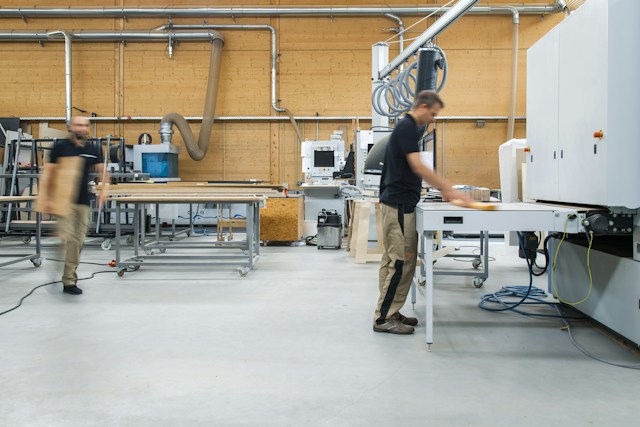
Manufacturing delays, recurring bottlenecks, and machines that struggle to keep up with changing production demands can quietly drain productivity and increase operating costs. When standard equipment forces workers to compensate for design limitations, manufacturers risk losing valuable time, output, and efficiency. Discover how tailored engineering can help eliminate production constraints, streamline operations, and create a more reliable manufacturing process.
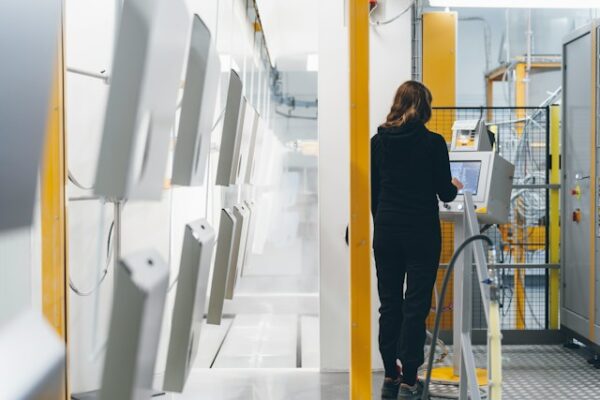
The Limits of Standard Machines
Off-the-shelf machines are built for common production tasks. Their fixed dimensions, controls, and operating speeds keep purchasing simple, but those same features limit flexibility. A machine designed for one container size, for example, may require lengthy adjustments whenever the line switches products.
Look beyond a machine’s advertised cycle rate when assessing performance. Changeover time, operator movement, and compatibility with existing equipment also affect output. If employees repeatedly reposition materials, clear minor jams, or transfer parts between stations, the machine may be shifting work instead of removing it. Understanding which equipment and components help keep manufacturing operations running smoothly can also help manufacturers identify opportunities to improve efficiency.
Document these workarounds for several weeks. Record their frequency, duration, and effect on product quality. This evidence helps you distinguish occasional inconvenience from a capacity problem that deserves an engineering response.
Where Assembly Bottlenecks Begin
A bottleneck often appears where one process runs more slowly than the stations around it. It can also develop at inspection points, material transfers, or manual assembly tasks that demand repetitive reaching. OSHA’s guidance on ergonomics programs explains how reviewing tasks and involving employees can help identify physical risk factors.
Start by measuring actual cycle times at each station across an entire shift. Include replenishment, cleaning, adjustments, and unplanned stops. A station with a 20-second operating cycle may perform far below that rate once five-minute interruptions are counted.
Ask operators where work accumulates and which faults recur. Their observations often reveal issues that production totals hide, such as inconsistent part orientation or controls located too far from the normal work area. Pair those comments with downtime records to identify the constraint affecting the whole line.
Investing in Tailored Engineering
Custom equipment becomes a practical option when repeated modifications can no longer support production goals. Manufacturers with unique processes, legacy lines, or labor-intensive operations can explore custom automation solutions that combine machine design, controls, fabrication, and integration around specific requirements.
Define the problem before requesting a design. Establish the target cycle time, acceptable defect rate, available floor space, and product variations the system must handle. Include maintenance staff and operators in early discussions because they understand access needs, recurring faults, and everyday setup challenges.
Plan for testing as part of the investment. A factory acceptance test should use representative materials and confirm safety functions, alarms, and recovery procedures. The NIST manufacturing systems guidance can also provide useful context for connecting equipment and production information. Clear acceptance criteria reduce surprises during installation.
Long-Term Gains in Line Output
Tailored engineering creates value when it improves the entire production process, not one isolated cycle. A faster station provides little benefit if the next process cannot receive its output. Track finished units per shift, scrap, changeover duration, and unplanned downtime to see the full effect.
Design choices also influence future costs. Accessible components shorten maintenance work, while stored recipes can make product changes more consistent. Standardized controls may help technicians diagnose faults without waiting for outside support. If demand changes, modular tooling or extra sensor capacity can reduce the cost of later updates.
Set a review for 30, 60, and 90 days after commissioning. Compare results with the original baseline and speak with the people operating the line. A successful system should produce measurable output gains while making stoppages easier to diagnose and routine work more manageable. Those details determine whether new capacity lasts beyond the initial production run.