
Marketing
Outdoor Advertising Is Making a Massive Comeback
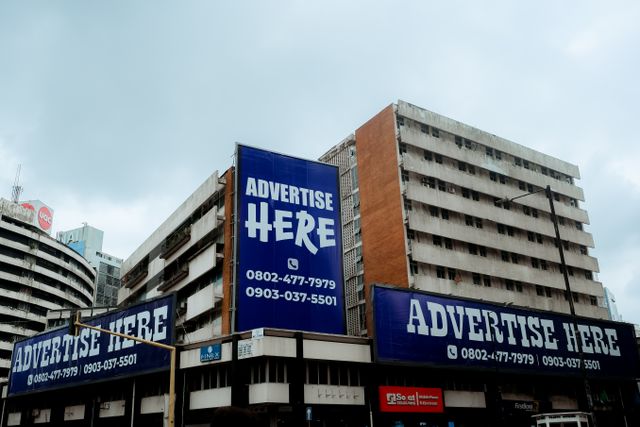
Outdoor advertising is reclaiming attention at a time when online audiences are overloaded with pop-ups, videos and endless social feeds. Billboards, digital displays and eye-catching signs reach people while they’re commuting, shopping or attending events. They also give brands room to be creative on a much larger scale.
The comeback reflects a simple shift in behavior. People still spend plenty of time online, but physical spaces offer valuable moments when a message can stand out without competing against dozens of browser tabs.
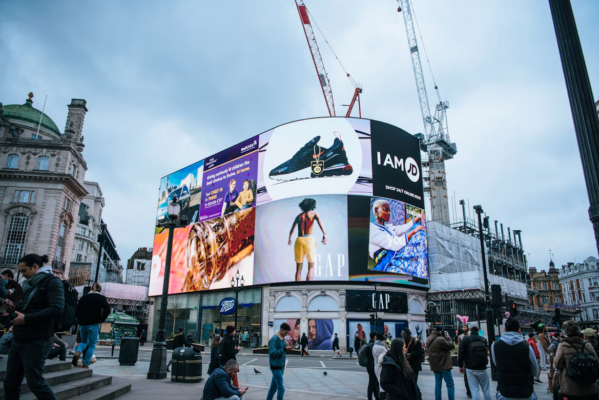
Digital Ad Fatigue Is Hitting Hard
Consumers see thousands of commercial messages across websites, apps and email inboxes. Many have learned to scroll past sponsored posts, close pop-ups and skip videos without processing the content. Ad blockers and tighter privacy controls also make it harder for companies to reach the same people repeatedly online.
Outdoor advertising breaks that routine. A bright display beside a busy shopping center or along a commuter route becomes part of the physical environment. Fashion brands have already recognized this opportunity, with out-of-home fashion campaigns using large visuals to create cultural moments beyond social media.
Keep the message brief. Drivers and pedestrians should understand the main idea within a few seconds, so use one headline, one strong image and a clear brand identifier.
The Surge in Out of Home Spending
Businesses are putting more attention into out-of-home advertising because it reaches real people in specific places. A local restaurant can promote lunch specials near office buildings, while a national retailer can coordinate displays across airports, transit hubs and shopping districts.
The resurgence of outdoor advertising also reflects the medium’s growing flexibility. Digital placements can change throughout the day, allowing a coffee shop to feature breakfast in the morning and cold drinks during the afternoon.
Before committing a large budget, test one location for several weeks. Record sales, website visits and branded searches during the campaign. Those results will help you decide which message and placement deserve more investment.
Upgrading to High Impact Commercial Screens
Modern commercial screens allow businesses to rotate creative work, schedule timely messages and use motion to attract attention. Display quality matters because faded colors, poor contrast and low brightness can make even a clever campaign easy to miss.
When comparing options such as an HSC LED display, consider the viewing distance, installation setting, screen dimensions and expected daylight conditions. A display used at an outdoor event has different brightness and portability needs from one installed permanently on a commercial building.
Creative design should match the screen as well. Use large lettering and uncluttered layouts, then test the content from the audience’s actual viewing distance. A design that looks clear on a laptop may feel crowded when viewed for four seconds from across a parking area.
Measuring Foot Traffic and Visibility
Outdoor campaigns can produce useful data when tracking is planned before launch. Start with basic location figures such as estimated daily traffic, pedestrian counts and average viewing time. Property managers, transit operators and advertising partners may already collect some of this information.
Next, connect each placement to an action you can measure. A short web address, campaign-specific QR code or unique discount code can reveal how many people responded. Compare those numbers with a normal period to see if store visits or online searches increased.
Visibility also depends on practical details. Visit the location at several times of day and check sight lines, lighting and nearby visual competition. A smaller screen with a clear view can outperform a larger display partly hidden by trees or street fixtures.
Building a Multi Channel Campaign
Outdoor advertising works especially well when people encounter the same creative idea elsewhere. Someone may notice a digital display during a commute, see a related social post later and search for the company that evening. Consistent colors, wording and imagery help those separate encounters feel connected.
Give each channel a specific job. The outdoor placement can build recognition, social media can provide updates, and a landing page can explain the offer. Use matching campaign dates and calls to action so customers don’t find expired details after seeing a current display.
The strongest campaigns also respond to context. Schedule weather-related messages when conditions change or promote an event as its date approaches. When the screen, timing and surrounding channels work together, a brief glance in a public space can become the start of a measurable customer response.