
House and Home
Tips for Keeping the Most Used Parts of Your Home in Shape

When’s the last time you really looked around your home? Not a quick clean-up for guests, but an honest check—like noticing that dripping faucet or flickering light you’ve ignored for weeks.
We rely on our spaces to function without much thought, especially the high-use areas like the kitchen, bathroom, and laundry room. They take daily hits but rarely get attention until something breaks.
With more people working and learning from home, the pressure on these spaces has only grown. In places like Lansdale, PA, where more folks are staying local, that wear and tear adds up fast.
In this blog, we will share practical ways to keep the busiest areas of your home in shape, so small problems don’t turn into big ones.
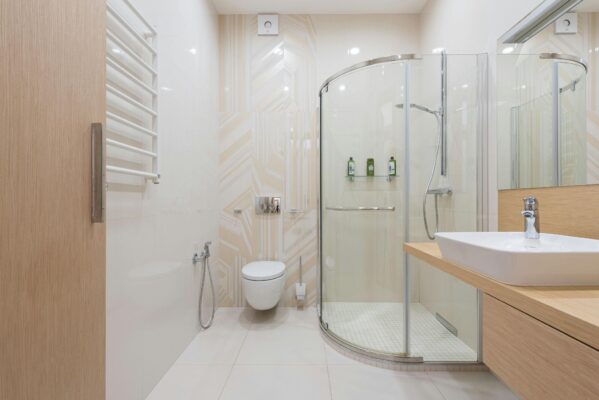
Don’t Wait for a Crisis in the Bathroom
Let’s be honest: the bathroom gets no glory. It’s a space that works hard, stays quiet, and only gets attention when something goes wrong. But it deserves better.
Toilets, sinks, and showers are built to last. But not forever. Mineral buildup, constant moisture, and human habits wear them down. In older homes, even a little leak can signal bigger issues behind the wall. The last thing you want is to ignore a small drip and end up with a soft floor or a water-stained ceiling below.
If you’re in Lansdale, PA, it’s smart to know your local options before something breaks. You’ll want to reach out to a reliable company that specializes in toilet plumbing repair in Lansdale, PA, if things go sideways. Having a trusted name saved in your contacts means you’re not Googling at midnight while holding a plunger and praying.
Prevention is cheaper than panic. A quick inspection now could save you from a full floor tear-up later. Not glamorous, but definitely worth it.
Keep the Kitchen Ready for Anything
Kitchens are the heart of the home. They’re where families gather, friends snack, and groceries slowly disappear. It’s also where many little things can go wrong. A jammed sink. A faulty burner. The vent fan that sounds like a lawn mower.
Start with the basics. Check that appliances are plugged in securely. Clean filters and vents—especially the ones behind the fridge or above the stove. Clear out under the sink and make sure no leaks are creeping along the cabinet base.
The kitchen is also where plumbing and electricity meet in weird, old-house ways. It doesn’t hurt to bring in a professional once a year for a quick inspection. They can spot things most of us miss—like a hidden water line issue or an outlet that’s not grounded properly.
Cleanliness matters too. Crumbs and spills attract pests and build up grime that’s harder to clean later. A weekly once-over with warm soapy water and a good eye can keep things running smoothly.
Don’t Ignore the Spaces You Touch Every Day
Most of us walk through our homes half-asleep. Coffee in hand, we turn lights on without thinking. We flush toilets, run showers, heat leftovers, and toss laundry in on autopilot. The appliances and fixtures that keep us moving get the most action—and the least attention.
It helps to walk through your home like a stranger. Check the places you use most: kitchen counters, bathroom sinks, utility rooms. Open cabinets. Look under sinks. Is there moisture? Rust? A smell that didn’t used to be there?
Small signs usually show up before something goes seriously wrong. The garbage disposal sounds different. The water pressure drops. A light flickers more than it used to. These moments are easy to ignore, but they’re often the first hints that something’s not quite right.
You don’t need to fix everything yourself. In fact, please don’t. But noticing issues early gives you a head start. And a head start means fewer emergencies—and fewer late-night YouTube tutorials on how to shut off a water valve.
Laundry Areas Are Quiet Until They’re Not
Laundry rooms don’t get much attention until the washer floods or the dryer overheats. These areas often live in corners or closets and stay out of sight. But they’re high-risk zones for leaks, fire hazards, and mildew.
Check your washer hoses for bulges or cracks. Make sure they’re tightly connected and not leaking at the base. Clean your dryer lint trap after every load. Then, once a month, vacuum the area behind the dryer and inspect the vent hose. A clogged vent isn’t just inefficient—it’s dangerous.
Consider upgrading to stainless steel hoses for your washer. They last longer and are less likely to burst. And don’t forget to leave the washer door open after use if you have a front-loader. It helps prevent that musty smell nobody likes to talk about.
Make Maintenance a Routine, Not a Reaction
Too often, we wait for something to break before we take care of it. But regular home care shouldn’t just be about putting out fires. It should be a habit.
Set a monthly reminder to do a walkthrough. Check filters, test outlets, look for leaks, and listen for unusual sounds. Seasonal maintenance can be helpful, too—especially in areas with big swings in temperature or humidity.
Make it part of your normal rhythm. It’s easier to check one or two things each week than deal with a giant list after something breaks. And if you live with others, divide the tasks. Home upkeep isn’t a one-person job.
Some people even keep a shared checklist on the fridge or their phones. It may sound overly organized, but it beats forgetting about that weird noise in the basement until it becomes a full-blown disaster.
It’s Not Just About Fixing—It’s About Paying Attention
Our homes reflect how we live. When they start showing wear, it often mirrors how busy or distracted we’ve been. That’s not a guilt trip—it’s just reality. But even ten minutes of focused attention each week can help you spot small problems before they grow.
These high-traffic spaces deserve respect. They keep life moving even when we’re tired, distracted, or too busy to notice. A little care goes a long way.
So the next time you walk through your home, look a little closer. Listen for drips. Watch for signs. Pay attention to the parts of your space that work the hardest. They may not ask for much—but when something goes wrong, they’ll definitely make noise.
And trust us, you don’t want your toilet to be the one doing the talking.