
Legal
Navigating the Criminal Justice System in Fairfax and D.C.

Being charged with a crime can be a frightening and confusing experience, especially when it’s your first encounter with the legal system. In the Washington, D.C., metropolitan area, criminal proceedings can vary depending on where you are arrested. Skilled Legal Defense in Fairfax County ensures that your rights are protected and that you have the best possible representation throughout the legal process in Virginia.
Fairfax County, Virginia, and Washington, D.C., follow different procedures, rules, and legal standards. In both jurisdictions, having Legal Guidance After a Criminal Arrest in Washington, DC is crucial to navigating the complexities of criminal law and securing a favorable outcome in your case.
Jurisdiction Matters: Fairfax County vs. Washington, D.C.
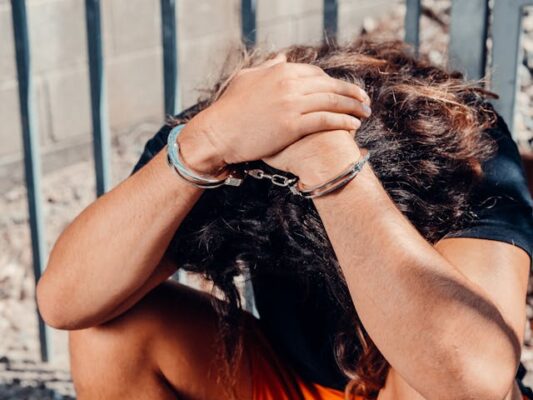
Fairfax County operates under Virginia state law, while Washington, D.C., has its own unique set of criminal codes and procedures. Here’s how the two differ:
Fairfax County (Virginia)
Fairfax County is part of the Commonwealth of Virginia, and its criminal justice system follows strict state guidelines. Virginia is known for being tough on crime and having some of the most rigid legal procedures in the country.
- Law Enforcement: Police agencies, such as the Fairfax County Police Department or the Virginia State Police, may conduct the arrest.
- Prosecution: The Commonwealth’s Attorney represents the state in criminal cases.
- Court System: Cases are heard in the General District Court for misdemeanors and in the Circuit Court for felonies.
- Sentencing: Virginia employs mandatory minimums and truth-in-sentencing laws, which require defendants to serve a larger portion of their sentence compared to other states.
Washington, D.C.
Washington, D.C. is a federal district, and although it has its criminal code, many cases are prosecuted by the U.S. Attorney’s Office. The D.C. criminal system blends elements of both local and federal law.
- Law Enforcement: Arrests may be conducted by the Metropolitan Police Department (MPD), Capitol Police, or federal agencies.
- Prosecution: Misdemeanors may be handled by the District of Columbia’s Attorney General, while the U.S. Attorney prosecutes felonies for the District of Columbia.
- Court System: All cases are heard in the D.C. Superior Court, which handles everything from arraignment to trial.
- Pretrial Services: The District of Columbia has a robust pretrial services program, often allowing defendants to await trial on supervised release.
Common Arrest Scenarios
While every case is different, some arrest situations are more common than others. Here are a few scenarios that might lead someone into the criminal justice system in either jurisdiction:
- Driving Under the Influence (DUI/DWI)
- Assault and Battery
- Drug Possession
- Theft and Larceny
- Gun Possession
What Happens After an Arrest?
The steps following an arrest are crucial and can significantly impact the outcome of your case. While the procedures differ slightly between jurisdictions, the following steps are common:
1. Arrest and Booking
It includes fingerprinting, taking a mugshot, and gathering personal information. In Virginia, suspects are usually taken to the county jail. In D.C., they are held at the Metropolitan Police Department’s Central Cell Block or a local precinct.
2. Initial Appearance or Arraignment
- In Fairfax, the accused is typically brought before a magistrate for a bond hearing within 24 hours. Misdemeanor arraignments occur in the General District Court.
- In D.C., the defendant appears in D.C. Superior Court. Decisions about letting someone go before trial are based on the perceived risk they pose, as well as assessments of flight risk.
3. Bond or Pretrial Release
Fairfax may require a secured bond, especially for more serious charges. In contrast, D.C. often relies on non-financial conditions for release, like GPS monitoring or check-ins with Pretrial Services.
4. Preliminary Hearing or Grand Jury
- In Fairfax, a preliminary hearing is held in felony cases to determine if there’s probable cause.
- In D.C., serious felonies may go to a grand jury, which decides whether to indict the accused.
5. Trial
- Virginia: Bench or jury trials are held in the General District or Circuit Court, depending on the nature of the charge.
- D.C.: Trials are conducted in the D.C. Superior Court. Jury trials are available for many offenses.
Why Skilled Legal Representation Is Essential
The criminal justice systems in Fairfax and D.C. are complex and intimidating for those unfamiliar with legal procedures. An experienced criminal defense attorney can:
- Protect Your Rights: From the moment of arrest, an attorney ensures your constitutional rights are not violated.
- Challenge the Evidence: Legal counsel can scrutinize the arrest process, the handling of evidence, and whether your rights are respected.
- Negotiate Effectively: Attorneys are often able to secure reduced charges, diversion programs, or favorable plea deals.
Next Steps for Defendants
If you’ve been arrested or charged in Fairfax County or Washington, D.C., here are the immediate steps to take:
- Exercise Your Right to Remain Silent: Don’t try to explain your side to the police without a lawyer present.
- Request an Attorney: Contact a criminal defense lawyer as soon as possible. If you cannot afford one, a public defender may be appointed to represent you.
- Follow Pretrial Conditions: Whether it’s a curfew, drug testing, or check-ins, compliance is critical.
- Avoid Further Trouble: Any new legal issues can impact your current case and reduce chances for leniency.
Final Thoughts
If you or a loved one is dealing with criminal charges in Fairfax or D.C., don’t wait. Talk to a skilled lawyer who knows how things work in both areas and systems and can provide the guidance and advocacy you need at every stage of the process. Although both jurisdictions are geographically close, the differences in how cases are handled can be significant.
I never knew that the criminal justice system of Virginia was that strict. Kudos to you for sharing such important information. Would love to see some blogs on the current social evils like Alcohol Addiction, prostitution, and gambling.
Just like a skilled barber knows how to guide you through a style transformation step by step, having an experienced legal defense team helps navigate the complex path of the justice system. Both provide support and expertise when things feel overwhelming. In tough situations, trusted professionals make all the difference.
https://barbarossanyc.com/